
While my 16-year-old sister was at the beach last month, she stopped by the local bookstore and bought me a copy of The Image of the City by Kevin Lynch. Amazing. A lot has changed since it was published in 1960, but the main idea is just as important today: we should work to enhance the quality of the experience of each city. Is the city easy to navigate? Is it memorable? Is it hospitable?
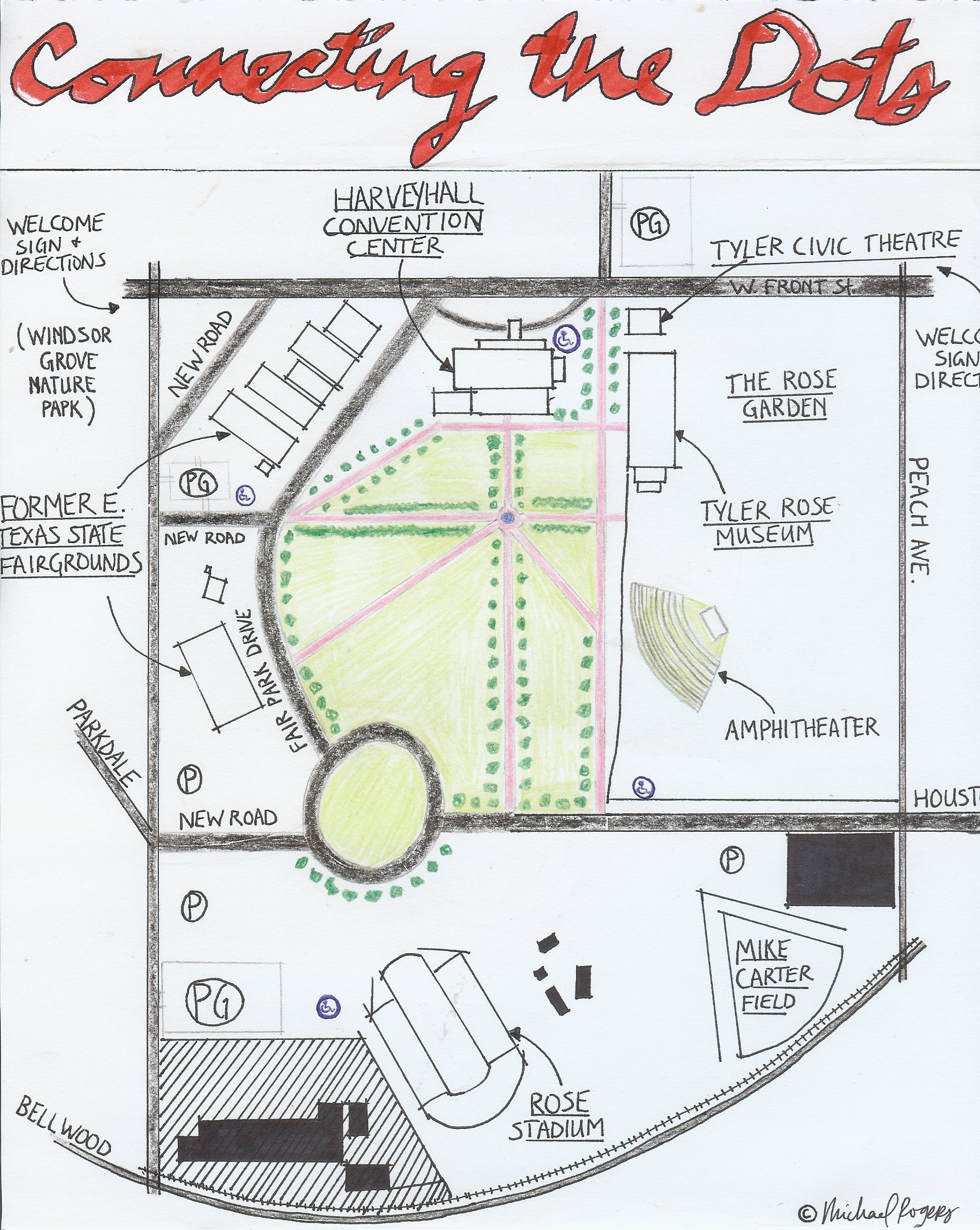
Throughout the book, Lynch uses small drawings to explain his theories. Now, instead of practice my signature when I’m bored, I’ve been doodling:
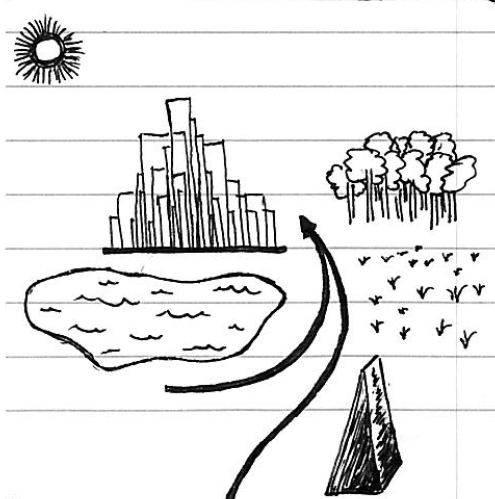
This is my idea of the best highway experience. The road travels toward the city, embraces the full broadside view of its beauty, then bends around. In Richmond, there is a reoccurring conversation about the view of Richmond from the highway (especially traveling south on I-95). Lynch’s research gives good context to this and similar, ongoing conversations.
To explain his desire to improve cities, Lynch uses the terms legible and imageable. Basically, does it make sense and is it memorable? If it doesn’t make sense to the viewer then it won’t be memorable. I have to add, you want your city to memorable for the right reasons: beautiful, consistent, dramatic, historic, dynamic, creative, vibrant, efficient.
To describe the “imageable city,” Lynch chooses five elements that he believes make up the urban experience. Each of these can either be completely forgettable or incredibly memorable. Here are some examples from Richmond:
- Paths (Monument Ave., Grace St., the Boulevard)
- Edges (the James River)
- Districts (The Fan, Church Hill, and many others)
- Nodes (downtown, Carytown, MacArthur Ave.)
- Landmarks (The Sailors and Soldiers Monument, The Carillon)
Fortunately, Richmond has been blessed with examples that show off the potential beauty of each element. At the same time, there are many issues with the “Richmond image.” To many, it’s a confusing and disconnected city.
To move forward, we need to find simple ways to turn everyday elements into memorable, quality experiences. For decades, economic development in Richmond equated to wedging large-scale projects in or near the central business district. These projects aren’t going to improve the overall experience of the city. In contrast, improving the most basic elements—paths, edges, districts, nodes, and landmarks—will gradually create what Christopher Silver refers to as the “Good City.”
The real lesson of the book is that urban form is important from border to border. It’s a lesson for us as we work to create the best possible Richmond: a city that is coherent, beautiful, and vital.

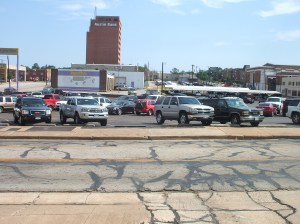
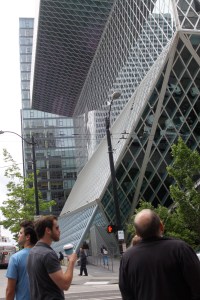 I believe that the potential of every space is limited by real and imagined barriers. If there are real, perhaps topographical, barriers to building a higher density downtown than I’ll be content to give up this dream. I just don’t think that’s the case. Most barriers I would consider “real” are primarily economic, but as long as people continue to build farther south I’ll contend that they might as well build downtown. To me, it’s the imagined barriers that I can’t stand. If it’s a zoning issue, some regulation, or a city of small dreams then I won’t be satisfied. Cities do not become great with small dreams. Cities become great when people do bold things that the mainstream calls crazy. Take, for instance, the Seattle Public Library (pictured). This building is a strikingly beautiful and completely functional structure that could theoretically be built anywhere on any square piece of land. In Seattle, they love it. Could we love this library? I should add, there are people in Tyler doing great work to revitalize our downtown, but I’m just not sure whether the public will appreciate it.
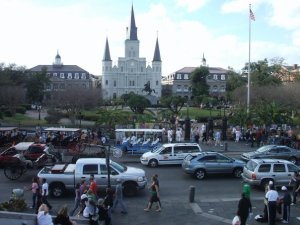 Another possible impediment to Tylerites embracing urban life is a lack of
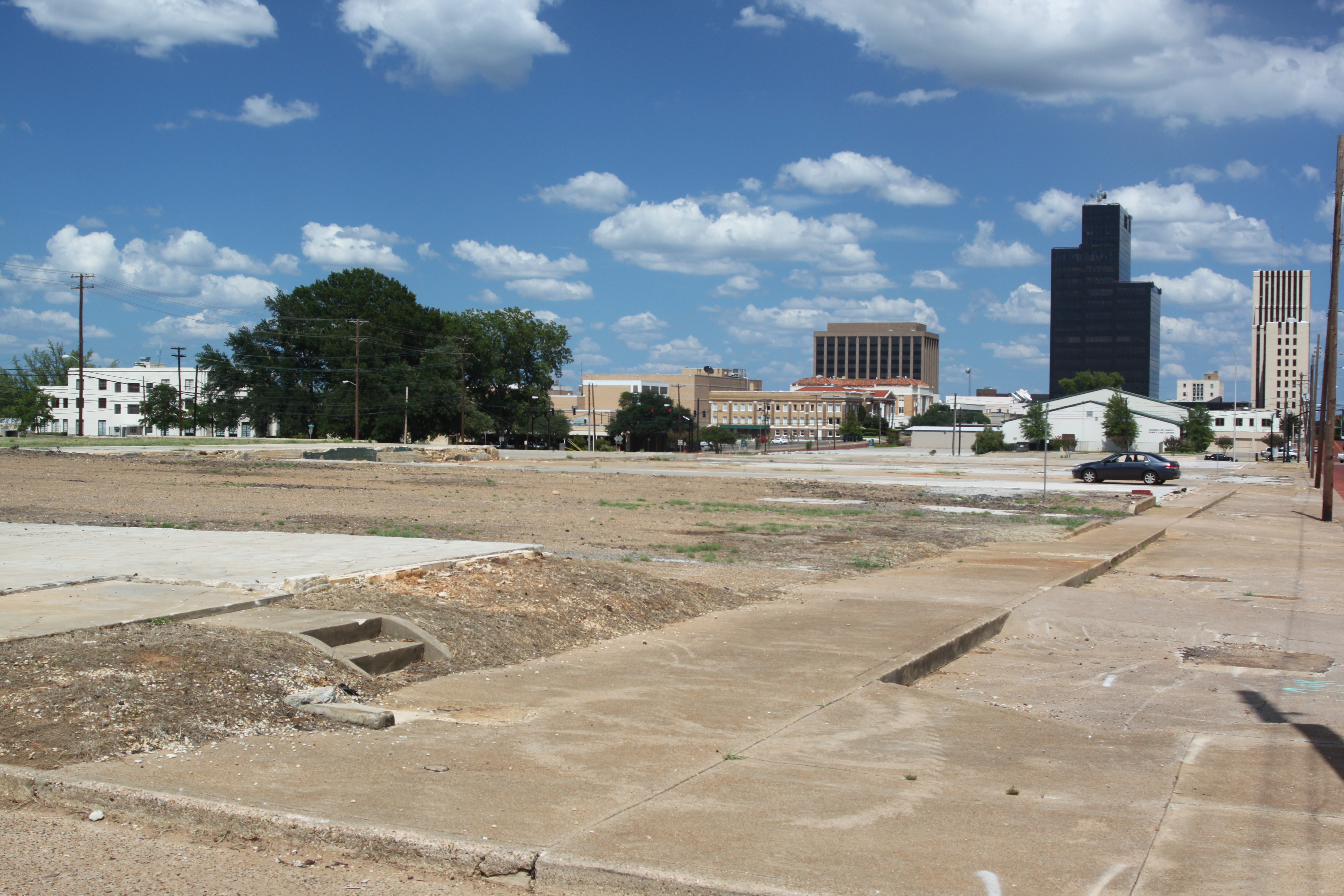
 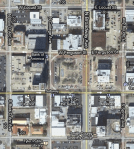 Look at the arial photo of Tyler to the left. These nine city blocks should not look like everywhere else in the city because if they do then they will be no longer be significant. Downtowns are places where you can live to not only experience the diversity of other people’s lives, but most importantly you can personally add to the diversity of self expression, culture, perspective, race, ethnicity, etc. When we begin to add to this multi-cultural society and invest in the community we become a part of organizations and we learn what it means to be citizens instead of consumers. I don’t want us to “consume” downtown as entertainment the same way we sometimes consume church, media and everything else. Rather, we must commit to downtown as an idea and be unified on our goal at the outset. This idea is that, in many ways, downtown is what we look to as the zenith of our city’s development. I believe there is an inherent value to dense urban downtowns as the site of culture creation, political debate and financial stability. Our downtown is a vital element of the future of our city as the capitol of East Texas. We need a viable downtown option, but we have to want it. And we have to know what it is.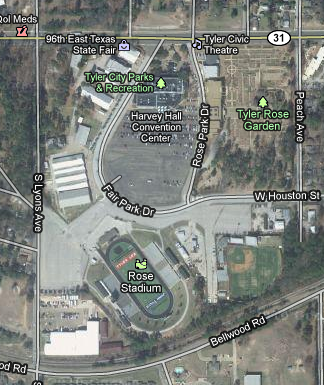

 Highways and Hallowed Halls