Category Archives: Significance

I used to think I would die young, now I can’t imagine growing old

When I was in high school we read a poem in class about an athlete dying young – I’m pretty sure it was this one. I remember thinking that if I died before I had the chance to be a failure I would be more likely to leave a good legacy. In retrospect, I think that the pressure of life, especially the pressure of achieving success while also being in the closet, was draining a lot of my joy and energy. I knew that at some point I would burn out.

In my high school years I actually thought God might have promised me I would die young. If I stayed in the closet for my faith it seemed like an early death was God holding up their end of the bargain. Twenty or so years on earth seemed doable, but much more than that was hard to imagine. Being a closeted gay adolescent in the church left me feeling committed to my path and hopeless that it could actually work out in my favor. Going to heaven was the primary reward I was presented with in these years so it makes sense that when life felt overwhelming that’s where my mind would wander.

I didn’t really plan much past my early 20s, basically college was as far as I got in my mind. I couldn’t imagine the future in any kind of hopeful way so I just took life one day, month, and year at a time. When my tragic early death never happened I felt pretty behind and unprepared. Since I thought it was something God had promised, it may have even caused my faith to wane when I was left to figure out the years I hadn’t planned for. (As I scrambled it didn’t feel like God had planned much for those years either.) It wasn’t always conscious, but it does seem pretty clear in retrospect.

The other day on the way to therapy I saw an activity bus from an assisted living facility and cried for most of the rest of the drive. I worked in assisted living so I have some personal experience with how sad and lonely those places can be. In these moments I think I’m already grieving the future I feel is coming for me. Many people close to me have tried to reassure me about the future and remind me how far I’ve come. I actually have a very long blog post draft called, “The Future is Home,” in which I have tried to convince myself for more than a decade that it’s going to be ok. Rationally I want to believe them (and myself), but emotionally I just can’t.

Adolescence is supposed to be a time of exploration. It’s supposed to be a time when you get to know yourself, try on different identities, express desire, start to experience autonomy and independence. My experience of adolescence was closer to one of commitment before exploration – what Marcia would call identity Foreclosure. Now I am finally (really) exploring and, even though I have felt late to the party at times, I am very grateful to be here.

I do think that I will get to a point where I am optimistic about the future. I am already “less hopeless” at least which feels like progress. Even writing this blog post has made me feel better about things in the moment, probably because writing is something that I enjoy and it is a relief to write out thoughts that have been on my mind. I have also given myself the freedom to explore without making promises the way I did the first time around. I gave away all my agency at a young age and I’m too prone to do it again. Instead, I’m just following the energy of my life as best I can. The more my life feels like home right now the more likely I’ll be able to imagine it for myself down the road.
Making Memories

While my 16-year-old sister was at the beach last month, she stopped by the local bookstore and bought me a copy of The Image of the City by Kevin Lynch. Amazing. A lot has changed since it was published in 1960, but the main idea is just as important today: we should work to enhance the quality of the experience of each city. Is the city easy to navigate? Is it memorable? Is it hospitable?

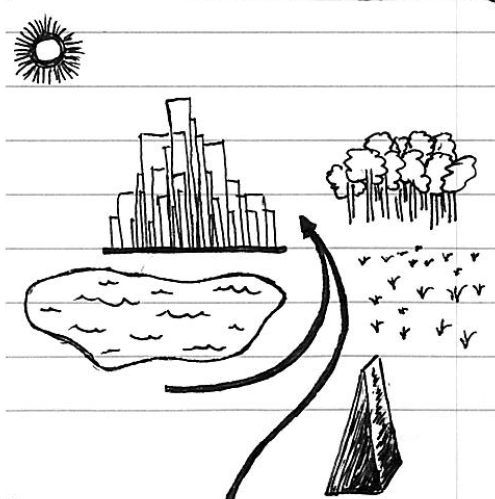
Throughout the book, Lynch uses small drawings to explain his theories. Now, instead of practice my signature when I’m bored, I’ve been doodling:

Screen shot 2014-06-24 at 5.41.02 PM

This is my idea of the best highway experience. The road travels toward the city, embraces the full broadside view of its beauty, then bends around. In Richmond, there is a reoccurring conversation about the view of Richmond from the highway (especially traveling south on I-95). Lynch’s research gives good context to this and similar, ongoing conversations.

To explain his desire to improve cities, Lynch uses the terms legible and imageable. Basically, does it make sense and is it memorable? If it doesn’t make sense to the viewer then it won’t be memorable. I have to add, you want your city to memorable for the right reasons: beautiful, consistent, dramatic, historic, dynamic, creative, vibrant, efficient.

To describe the “imageable city,” Lynch chooses five elements that he believes make up the urban experience. Each of these can either be completely forgettable or incredibly memorable. Here are some examples from Richmond:

  • Paths (Monument Ave., Grace St., the Boulevard)
  • Edges (the James River)
  • Districts (The Fan, Church Hill, and many others)
  • Nodes (downtown, Carytown, MacArthur Ave.)
  • Landmarks (The Sailors and Soldiers Monument, The Carillon)

Fortunately, Richmond has been blessed with examples that show off the potential beauty of each element. At the same time, there are many issues with the “Richmond image.” To many, it’s a confusing and disconnected city. 

To move forward, we need to find simple ways to turn everyday elements into memorable, quality experiences. For decades, economic development in Richmond equated to wedging large-scale projects in or near the central business district. These projects aren’t going to improve the overall experience of the city. In contrast, improving the most basic elements—paths, edges, districts, nodes, and landmarks—will gradually create what Christopher Silver refers to as the “Good City.”

The real lesson of the book is that urban form is important from border to border. It’s a lesson for us as we work to create the best possible Richmond: a city that is coherent, beautiful, and vital.

Why pay twice?

Listening to NPR this morning I noticed a quote that struck me as important. Usually, I fade in and out when I’m listening to the radio, but the show, “On Being,” always catches me by surprise and reels me in. Today, Krista Trippett interviewed psychologist Ellen Langer who had this story to share:

“Many years ago I had a major fire that destroyed 80% of what I own. And when I called the insurance company and they came over the next day. The insurance agent had said to me that this was the first call that he’d ever had that the damage was worse than the call. You know, and I thought of it and I thought well gee, it’s already taken my stuff, whatever that means, why give it my soul?

Why pay twice?”

The whole piece is worthwhile and I recommend it if you’re looking for a little perspective and a chance to hear thoughts on loss from someone who cares. Not a bad way to start the day.

The Detroit Institute of Arts

When people ask me why I planned a vacation to Detroit, I think about my night at the DIA:

A Bonjour concert

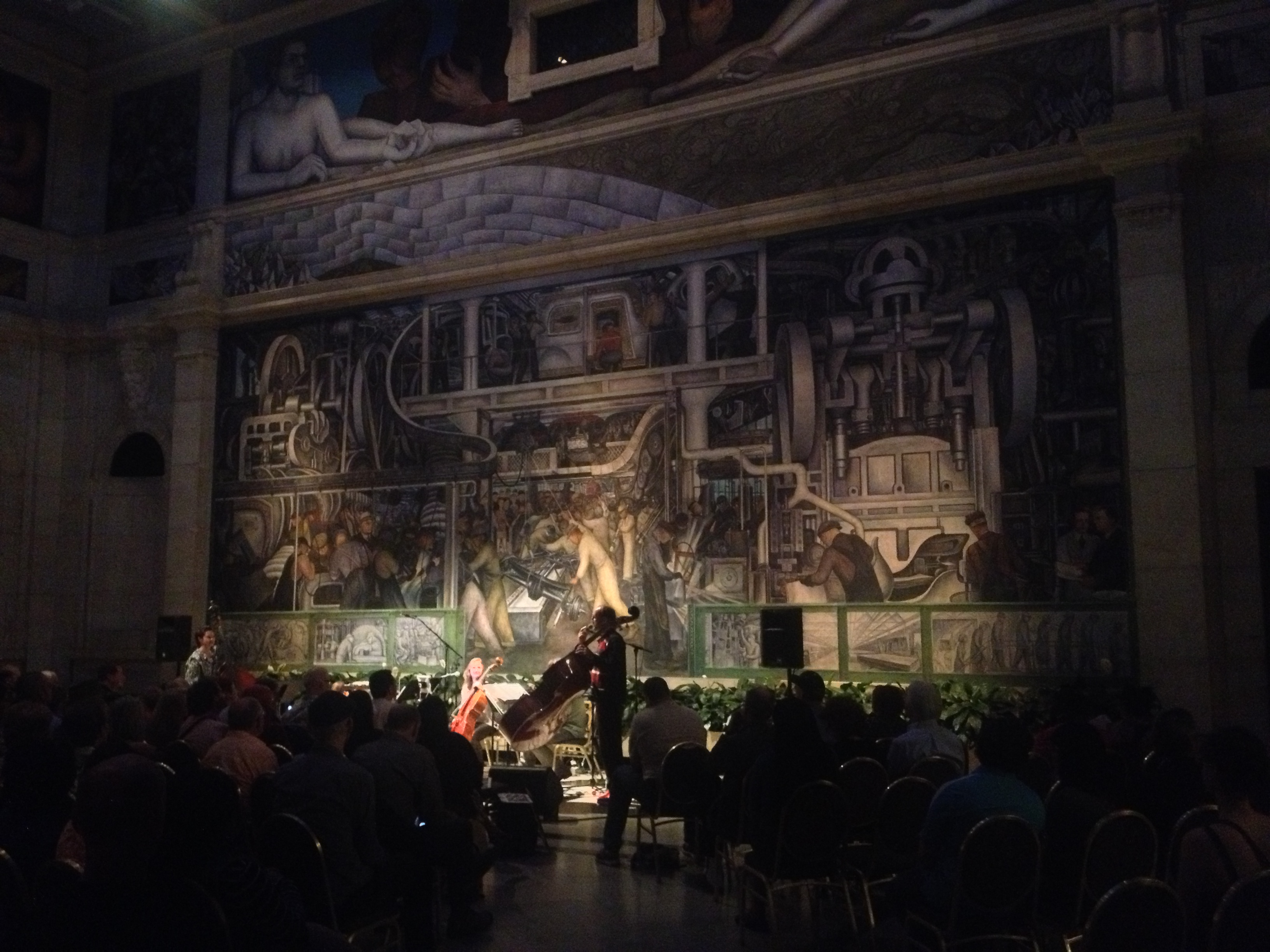
I do my best to talk about my experience, but it’s hard to describe this setting in words: 1920s Beaux-Arts building, 1930s Diego Rivera murals, and an experimental stringed ensemble from New York led by French expat Florent Ghys. It was everything I’d imagined Detroit could be: cultured and complicated.

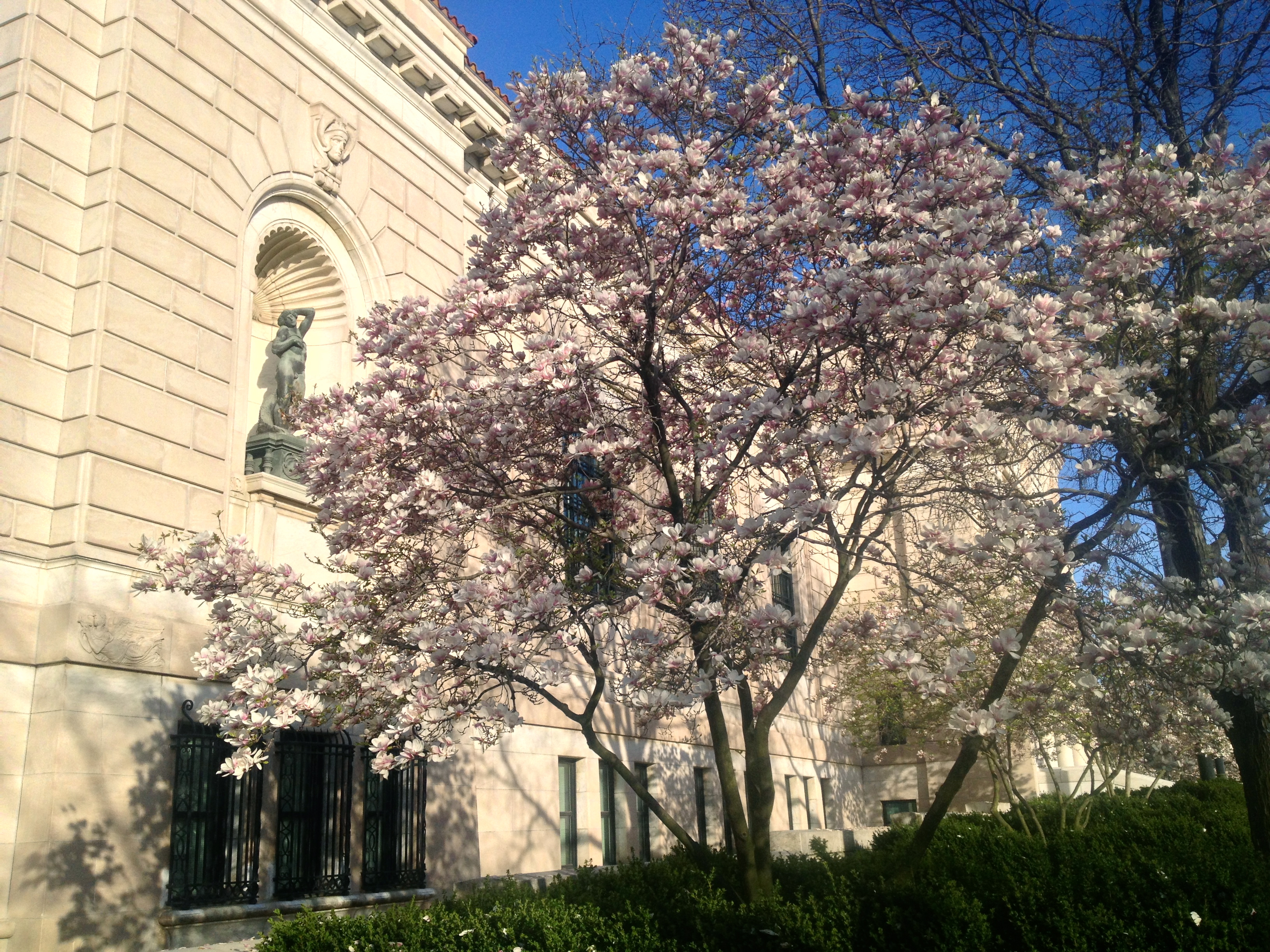
Built in 1927, the Detroit Institute of Arts (DIA) is a fine example of Detroit’s grand past and it’s one of the few world-class institutions in this city that has maintained its status. The building itself is a beautiful example of twentieth century beaux-arts and the American City Beautiful movement. It’s a symbol of a time when wealthy residents and cities boldly invested in their culture and their future. In the spring,  you might find tulip trees  blooming and the sun shining on manicured lawns.

This is not how most people picture Detroit:

Of course, I immediately fell in love. When we first walked in, my dad and I ate dinner at CaféDIA then settled into our seats in Rivera Court just past the main entrance to the museum. Every Friday night, the DIA exhibits a musical guest for a free live performance. For us, the museum hosted the modern stringed music of Bonjour. In this old stone hall of Diego Rivera murals, the New York chamber music ensemble played Thursday Afternoon and other innovative stringed arrangements.

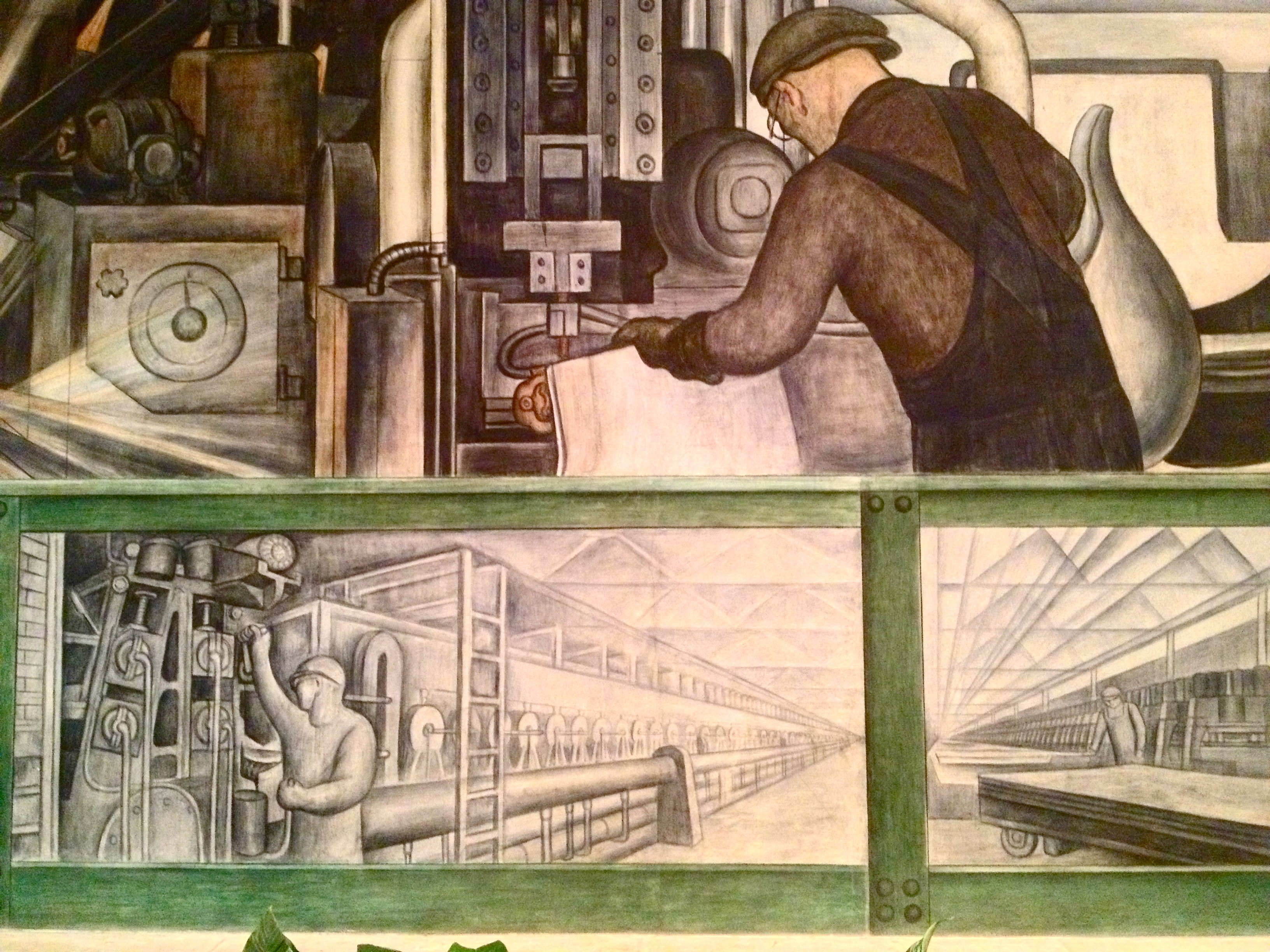
The museum, in large part funded by the wealth of the automobile industry, has also fiercely defended the Rivera murals which depict faceless humans and infinite assembly lines.

The infinite assembly line and anonymous worker

It’s one of the artist’s greatest surviving works in America and it’s ironic to be associated with the family and fortune of Henry Ford. Ford, the icon of the American automobile revolution and Rivera, a Mexican artist associated with communism and the revolutions from below. The murals are both grand and subversive. In Detroit, they’re perfect.

Today, the future of the DIA is in question. When the filed for bankruptcy, creditors began eyeing the art at the DIA and scheming its potential sale. Everything that is great about this museum also makes it one of the city’s most valuable assets. If all the art were seized and sold, it would certainly be a chilling moment in museum history. What’s incredible about the current spirit of Detroit is a “nothing to lose–nothing to hide” attitude. Unfortunately, in the case of the DIA, the city does have something to lose. The question is whether to hold onto an institution from the past or fully embrace a new and more innovative future.

The future of the DIA is the future of Detroit.

For more, check out my “Places” tab for Detroit.

Dust in the Light

Light illuminates dust played through the air as everyone goes everywhere. It’s golden hour in the Charlotte airport.

Staring into that playful dust takes me to my playful past. A son drapes his arm over his dad’s shoulder. A woman walks by talking on her cellphone. The world draws me away from my book then back into my mind.

Book. World. Mind. Journal.

I’m amazed by the depth of our diversity. Where are we from? Who do we love? Where are we going? The dust in the air turns day into dream. Conversations, beeping shuttles and rustling feet fade to the background as I, entranced by that light, sit and rest like a silent protagonist monologue or a string of thoughts tangled and blended together.

The sun is now shining on my entire body from the window across the room and I can feel it when I close my eyes. When the sun begins to set you wonder where you’re going to rest your head, and with whom.

I first wrote this as a journal entry in May, 2013.

Crying Over Spilt Rilke

I’m thankful for the Adam Lauver sharing his thoughts on this Rilke letter and the rest of the collection which I own, but have still not finished. Maybe this is the encouragement I’ve been needing 🙂 I’ve reblogged his post here for anyone else who is interested in a little encouragement today. It’s not an answer to your questions, it’s a new metaphor for your life.

During my first year of college, I struggled a good bit. On the outside, I was effortless: taking upper-level seminars, making friends with the president. But on the inside, I was asking big, fundamental questions about myself and about life. And I was, for the first time, on my own. During this time (as with much of my life since then) I began to reach out for life preservers—little bits that I could cling to for hope and assurance in the “goodness” of the future.

One such bit of wisdom was “Letter 4” from Ranier Maria Rilka written to a young poet. The interim chaplain at the time emailed the piece to me and I will never forget reading it one night while “studying” in the library. I read the words “Live the questions now” and my eyes began to open to a new perspective on life and a new peace I had never previously comprehended. Rilke continues, “Perhaps you will then gradually, without noticing it, live along some distant day into the answer.”

Adam Lauver's avatarThe Narratician

“You are so young, so before all beginning, and I want to beg you, as much as I can, dear sir, to be patient toward all that is unsolved in your heart and to try to love the questions themselves like locked rooms and like books that are written in a very foreign tongue. Do not now seek the answers, which cannot be given you because you would not be able to live them. And the point is, to live everything. Live the questions now. Perhaps you will then gradually, without noticing it, live along some distant day into the answer.” – Rainer Maria Rilke, Letters to a Young Poet

I recently came across a used copy of Letters to a Young Poet, which I’ve been meaning to read for a long time now. As I was leafing through it in the book store, I noticed that there was…

View original post 537 more words

Racial Demographics in the US

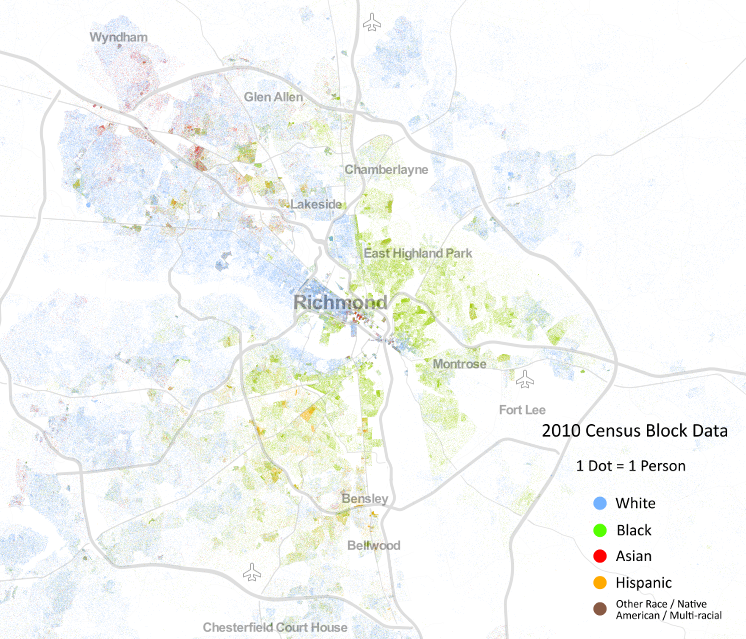
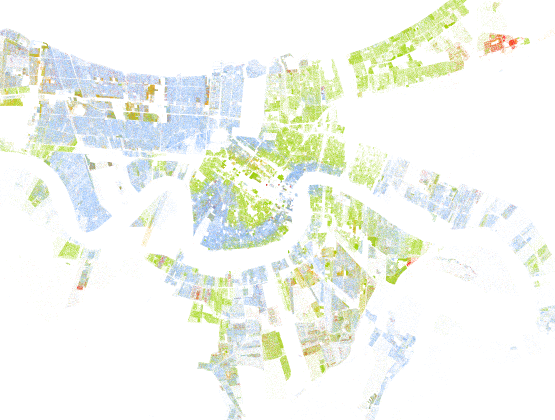
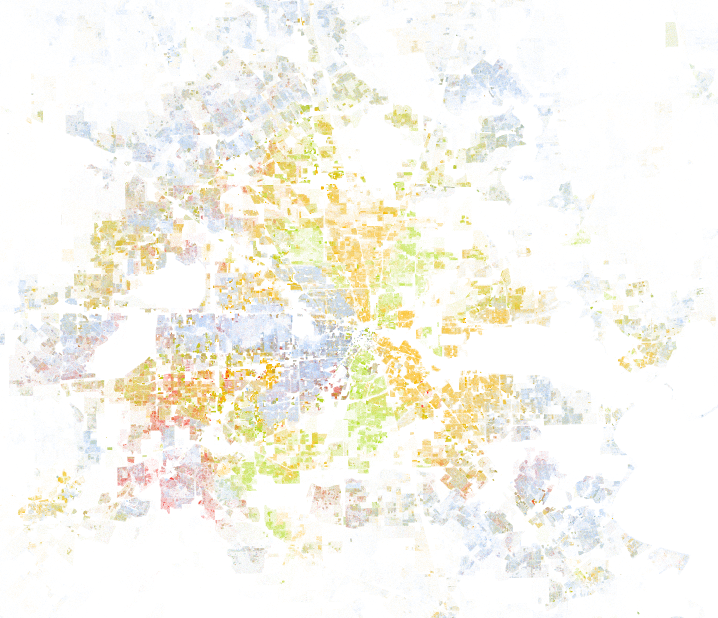
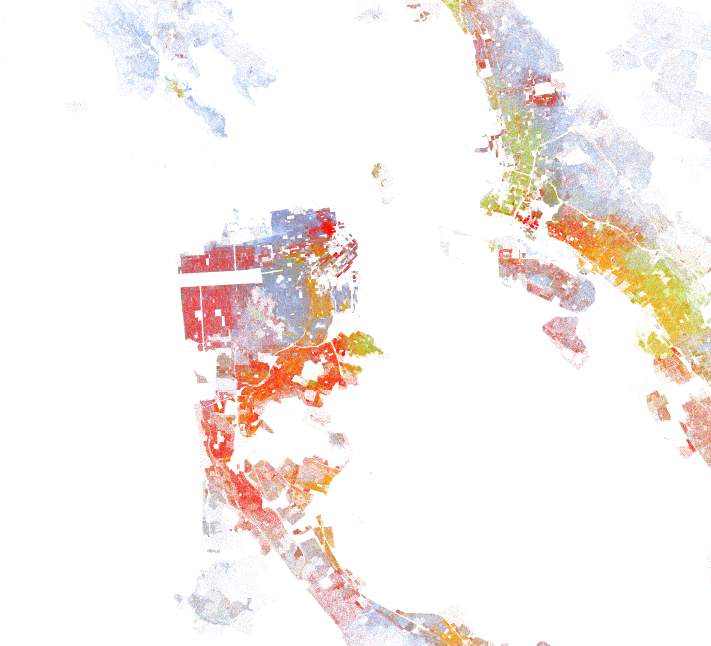
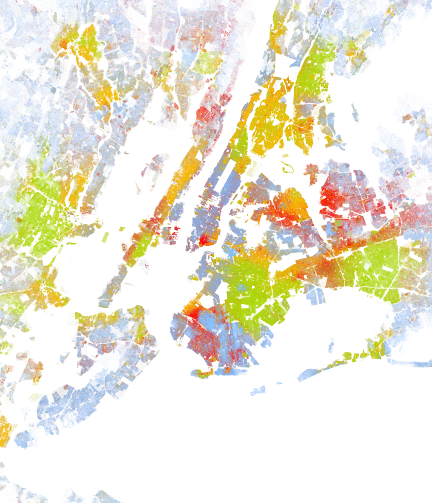
For the past few days I’ve been playing with an amazing map developed by a team at UVA attempting to display census data in a more accessible way. Take a look at Richmond:

Racial demographics in Richmond

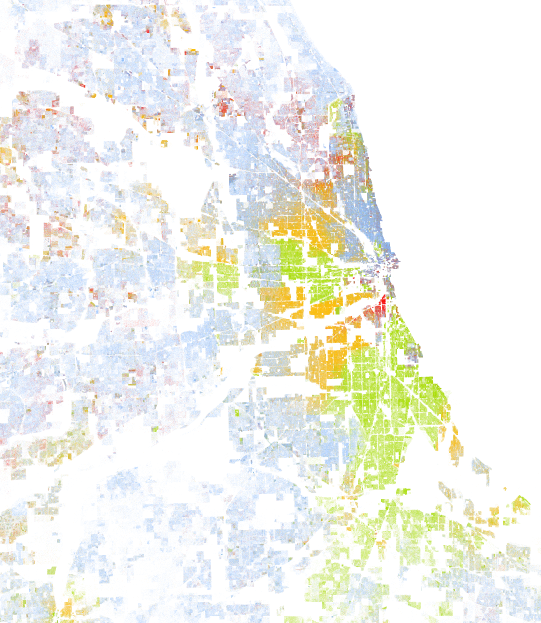
Chicago:

Chi Town

New Orleans:

NOLA

Houston:

Houston

St. Louis:

St. Louis

The Bay Area

Bay Area

NYC and surrounding region:

NYC Region

And the Whole Shebang:

USA

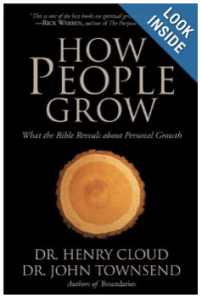
How People Grow

“At some point, having owned the issues, people need to let go of debts, feel sadness about the past and losses they can’t change, and receive forgiveness for what they have contributed. This is often a sign that they are well on the road to resolving a particular issue, as grief means they now have enough love inside them to tolerate letting go of someone or something they have lost.”

How People GrowThis book is for people who want to grow and for people who facilitate growth in others. It’s also from both the perspective of Christian doctrine and psychological research which I appreciated. I think I was a little ahead of myself reading it, but it will definitely be on my shelf for future reference. There are so many amazing takeaways from this book that I can’t list them all, but one of the biggest lessons for me was that it all starts with acceptance.

Here’s to truth and growth and life.

*Quote from p. 360, How People Grow

Watercolor Richmond

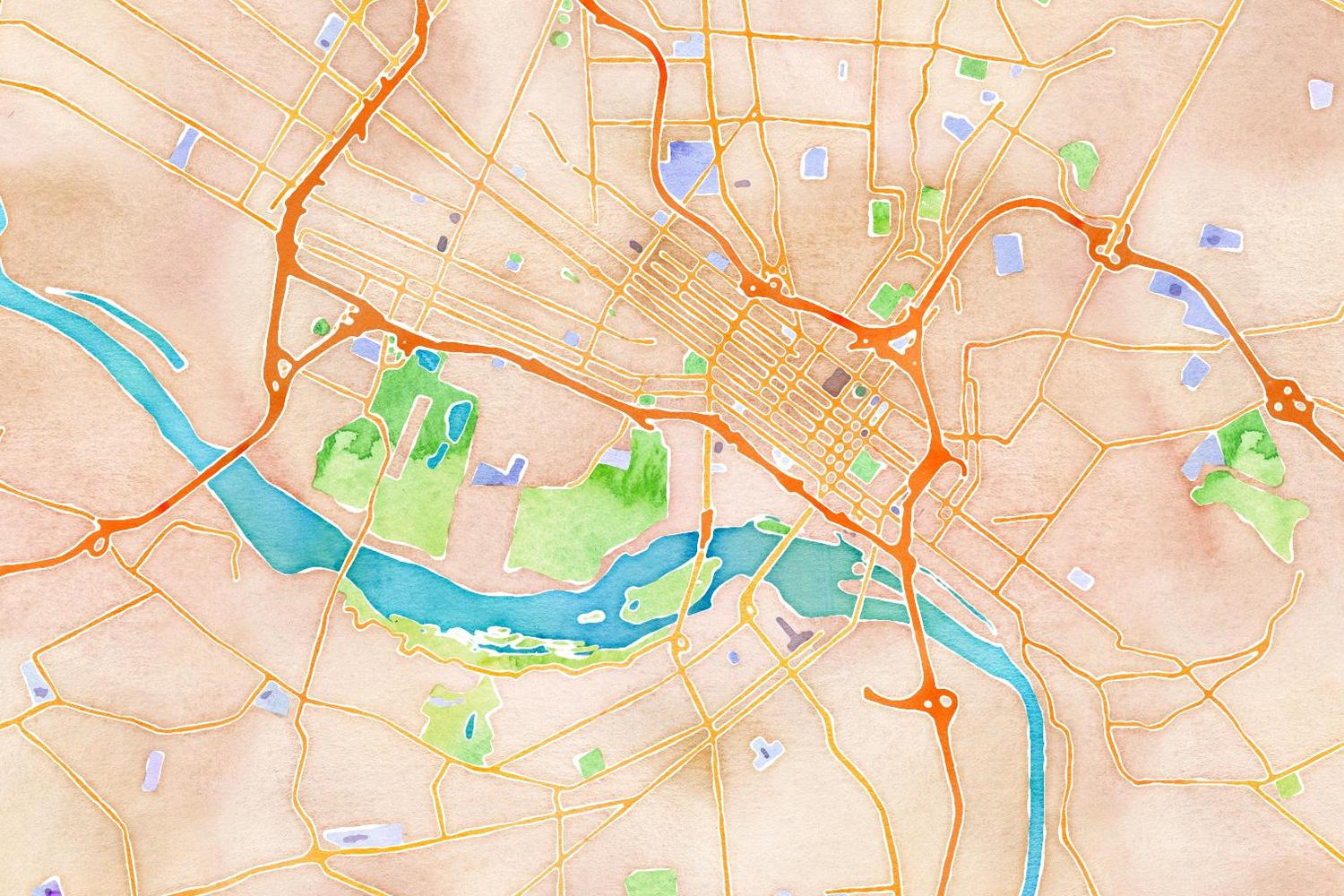
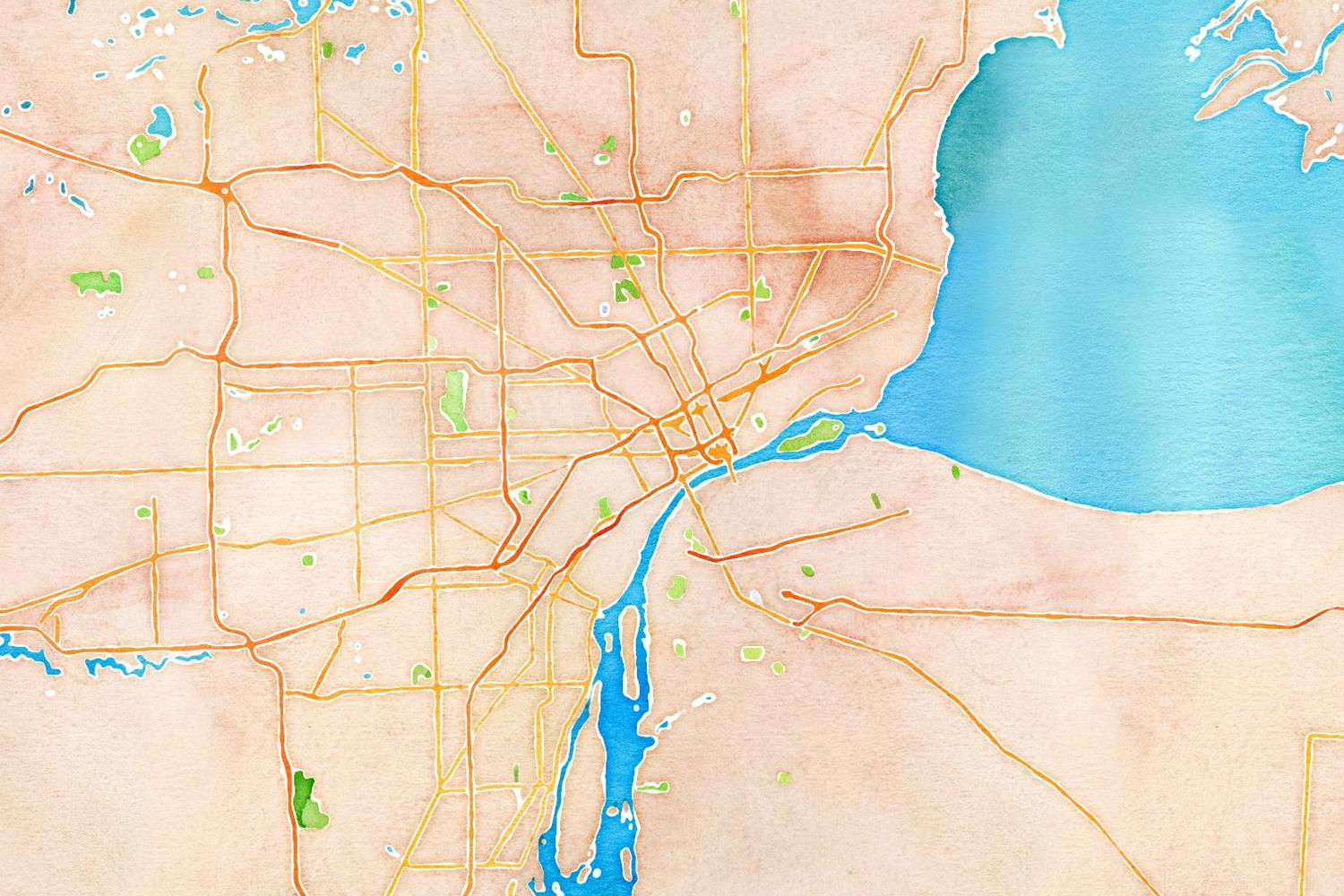
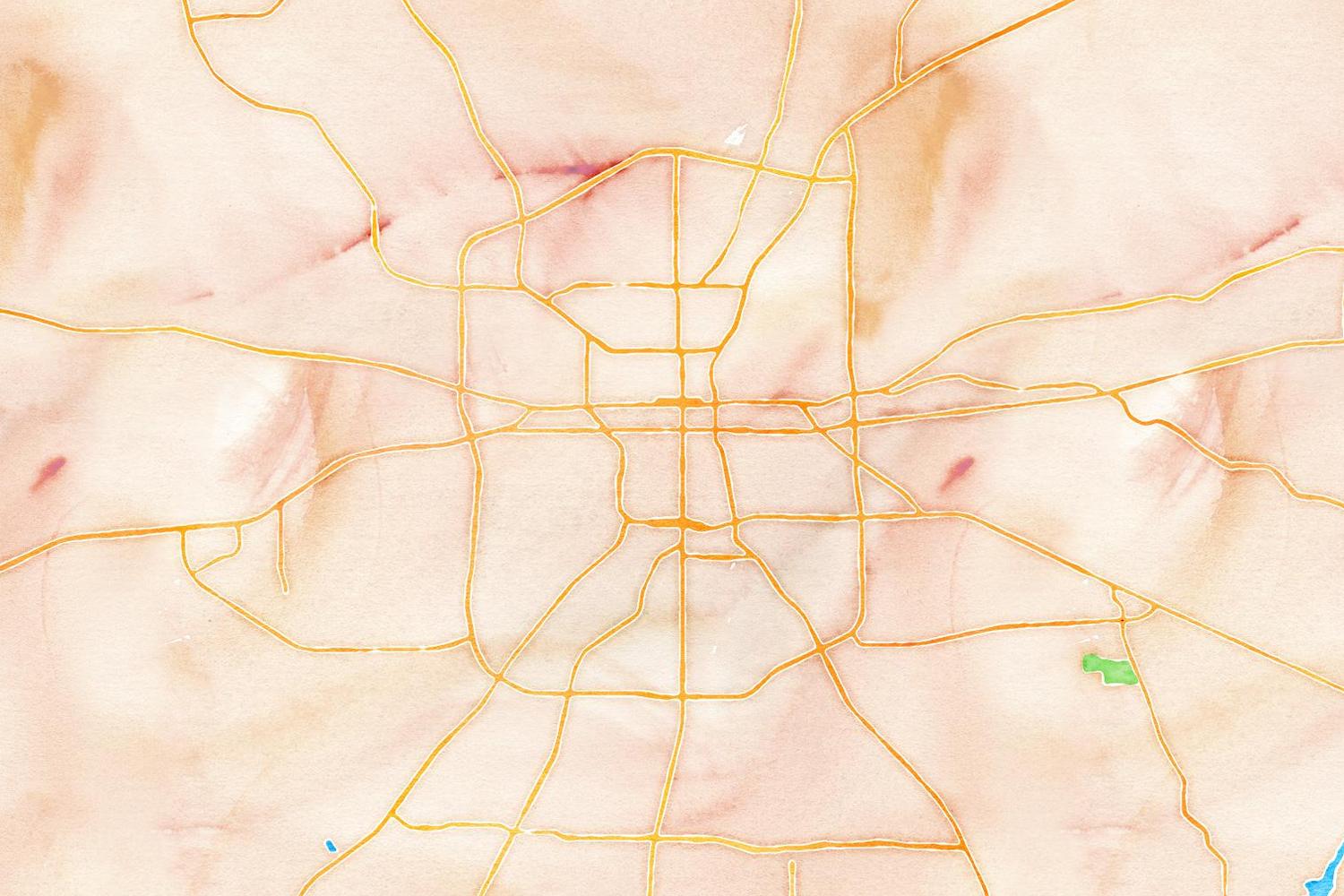
I just stumbled upon an article in Good about a program that produces interesting maps of your favorite places all over the world. Considering how much I love maps and cities, this site made my day.

Here’s a watercolor of Richmond:

Richmond Watercolor

While I was at it, I also made one of Detroit:

Detroit watercolor

Here’s Tyler:

Tyler

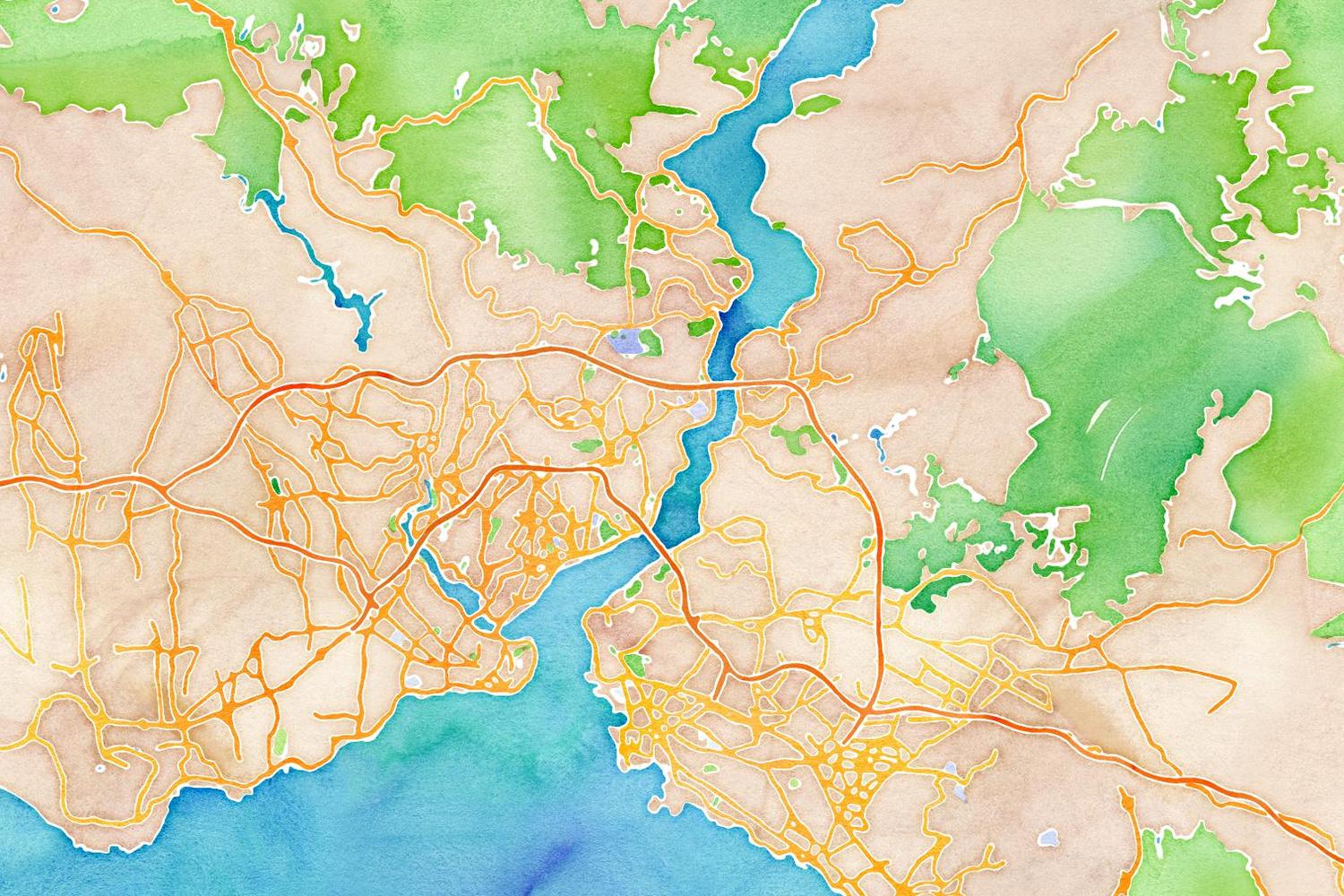
And just for fun … Istanbul:

Istanbul

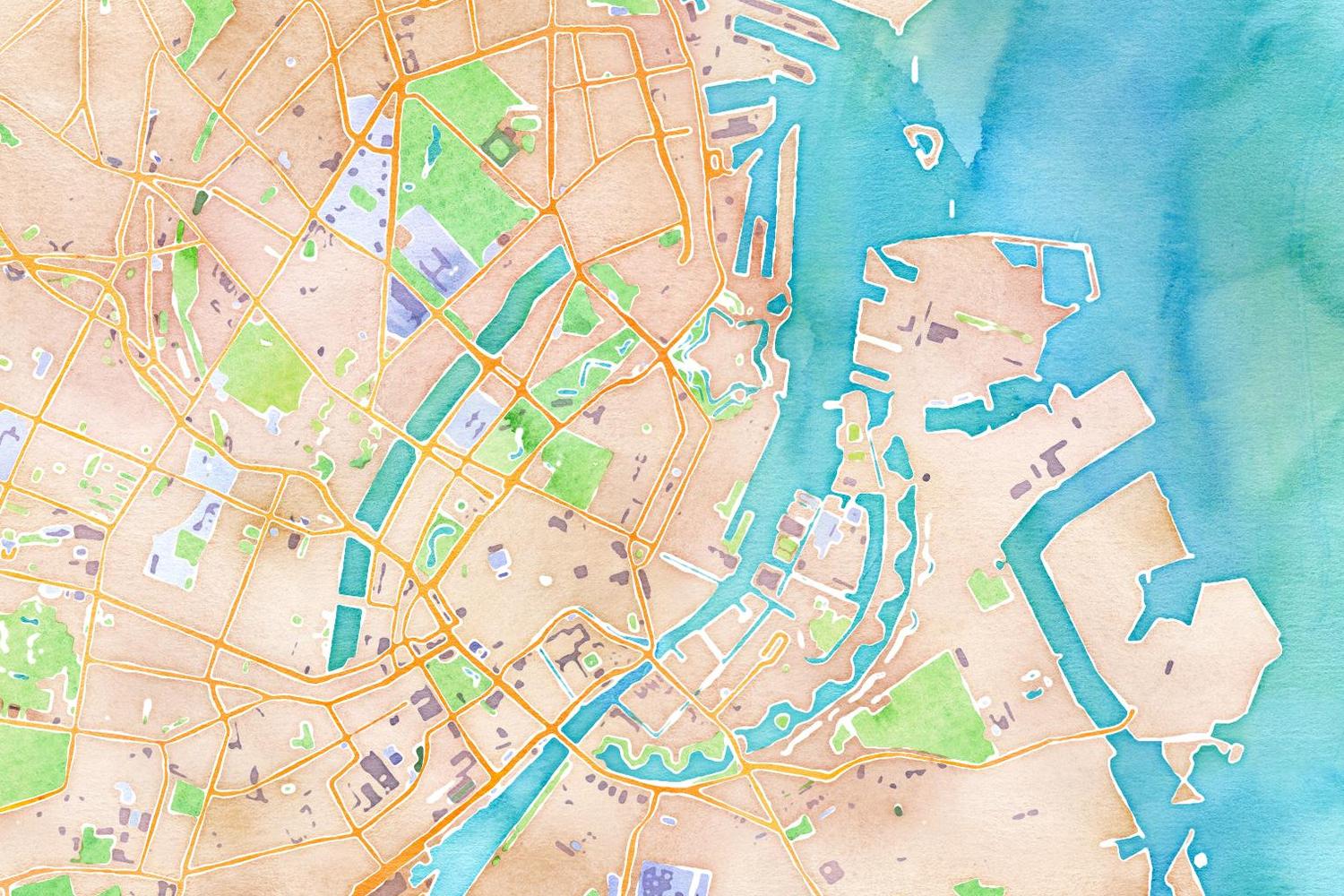
And Copenhagen:

Copenhagen

Names and implications

Excerpt from “The Power of Names” by Adam Alter:

“The German poet Christian Morgenstern once said that ‘all seagulls look as though their name were Emma.’ Though Morgenstern was known for his nonsense poetry, there was truth in his suggestion that some linguistic labels are perfectly suited to the concepts they denote. ‘Dawdle’ and ‘meander’ sound as unhurried as the walking speeds they describe, and ‘awkward’ and ‘gawky’ sound as ungainly as the bodies they represent.

When the Gestalt psychologist and fellow German Wolfgang Köhler read Morgenstern’s poem, in the nineteen-twenties, he was moved to suggest that words convey symbolic ideas beyond their meaning.”

I feel like this research is connected to a post I wrote the other day about how important names are to our identity and our connection to a place. I don’t believe that our potential is completely limited to our names, but I do believe that names influence the manner in which we walk through life each day.