How People Grow

“At some point, having owned the issues, people need to let go of debts, feel sadness about the past and losses they can’t change, and receive forgiveness for what they have contributed. This is often a sign that they are well on the road to resolving a particular issue, as grief means they now have enough love inside them to tolerate letting go of someone or something they have lost.”

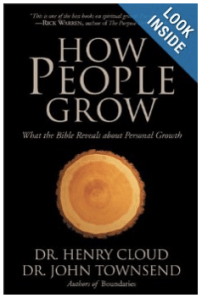
How People GrowThis book is for people who want to grow and for people who facilitate growth in others. It’s also from both the perspective of Christian doctrine and psychological research which I appreciated. I think I was a little ahead of myself reading it, but it will definitely be on my shelf for future reference. There are so many amazing takeaways from this book that I can’t list them all, but one of the biggest lessons for me was that it all starts with acceptance.

Here’s to truth and growth and life.

*Quote from p. 360, How People Grow

Image

Highways & Hallowed Halls

HHH

Down the highway

No two inventions more significantly facilitated the transformation of American cities than the A/C grid and the mass-produced automobile: Highway in the Ozarks

Grad school brainstorm

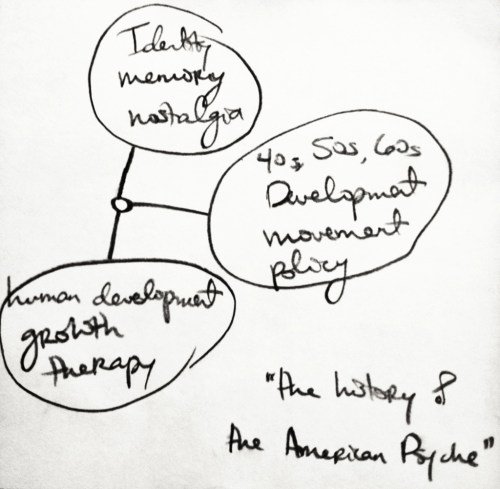
For me, grad school is a foreign country. Below is a brainstorm I wrote down after having a clarifying conversation with a friend last weekend. You may notice that I use the word “clarifying” relative to what my thoughts were before the conversation, but I’m nowhere near clarity. These are the topics that I’m interested in, not the path.

Having a blog has given me momentum through this process since I’ve had a chance to “try out” different topics and disciplines. While “trying out” is fun, it will soon be time to choose. For now, I have the intersection of three areas of interest and the title of my hypothetical grad school thesis:

20130708-112352.jpg

Watercolor Richmond

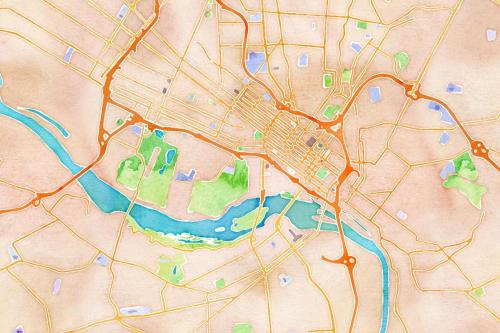
I just stumbled upon an article in Good about a program that produces interesting maps of your favorite places all over the world. Considering how much I love maps and cities, this site made my day.

Here’s a watercolor of Richmond:

Richmond Watercolor

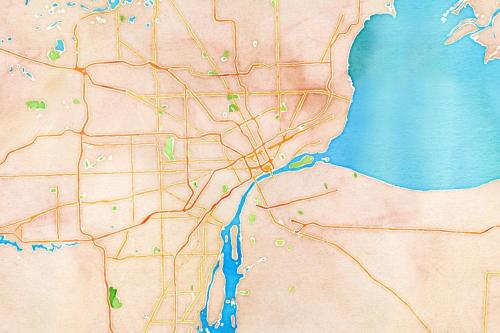
While I was at it, I also made one of Detroit:

Detroit watercolor

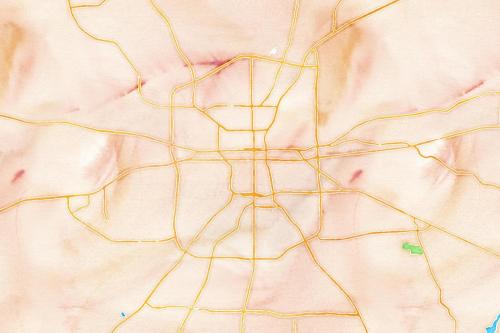
Here’s Tyler:

Tyler

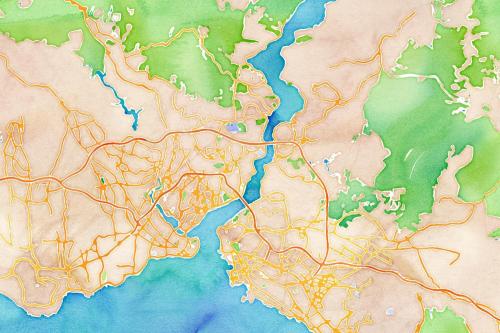
And just for fun … Istanbul:

Istanbul

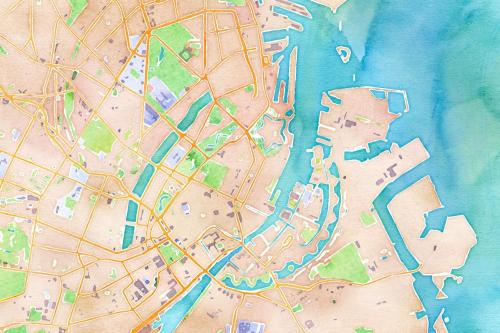
And Copenhagen:

Copenhagen

The difference of an early bloomer

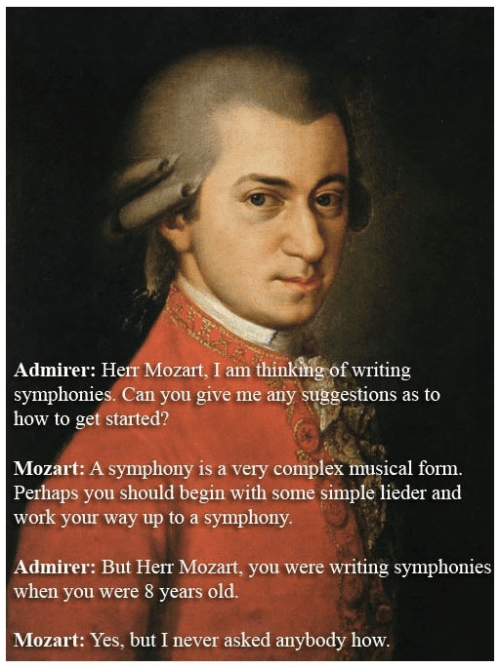
There is so much truth to this Mozart quote I found on The Meta Picture:

Mozart

I personally don’t identify as an early bloomer/genius. Crazy, I know. If you’re the same way, check out this article about a late bloomer for some inspiration: “Discovered at 64, a Brooklyn artist finds his place” and definitely read through Malcolm Gladwell’s article related to the topic: “Late Bloomers: Why do we equate genius with precocity?

Names and implications

Excerpt from “The Power of Names” by Adam Alter:

“The German poet Christian Morgenstern once said that ‘all seagulls look as though their name were Emma.’ Though Morgenstern was known for his nonsense poetry, there was truth in his suggestion that some linguistic labels are perfectly suited to the concepts they denote. ‘Dawdle’ and ‘meander’ sound as unhurried as the walking speeds they describe, and ‘awkward’ and ‘gawky’ sound as ungainly as the bodies they represent.

When the Gestalt psychologist and fellow German Wolfgang Köhler read Morgenstern’s poem, in the nineteen-twenties, he was moved to suggest that words convey symbolic ideas beyond their meaning.”

I feel like this research is connected to a post I wrote the other day about how important names are to our identity and our connection to a place. I don’t believe that our potential is completely limited to our names, but I do believe that names influence the manner in which we walk through life each day.

Nostalgia in the Bible

“I will hurl you and the mother who bore you into another country, where you were not born, and there you shall die. But to the land to which they will long to return, there they shall not return.”

Jeremiah 22:26-27

Naming New Worlds

Behind the house where I grew up there is an undeveloped lot of trees and grass. As a child, my neighbors and I often climbed over the back wall into this untamed world. We constructed imaginary realms and a gateway to the outside. We even gave it a creative name: Trocourba.

Always fair (even as children), I remember we pulled the name from fragments of each of our respective school mascots: Trojans, Cougars, and Braves. As children, we saw this lot as an empty palate for us to fill with our imagination. Much of what we built has been lost, but I still walk through those woods when I’m home and remember the days spent claiming and naming that empty space.

***

This post is about the attitude of the explorer: the belief that discovering a place makes it “new.” And if it’s new then it’s never been named. We name things every day in order to claim them and make sense of them. In order to understand a place, we give it a name. It makes it familiar.

What first started me thinking about the idea of “naming and claiming” was a conversation I had with my high school students last year. I was teaching the “pre-European” section of a class on Richmond history and we started to discuss the word “savage.” This post is a follow-up to my fascination with the word “savage” over a year ago.

The concept and conviction of savagery, I realized, is a necessary precursor to the process of “naming new worlds.” There are two primary steps in this process. First, discovered lands are proclaimed “new” simply because nothing there is familiar and, second, the existing names for that land (and all inhabitants) are deemed illegitimate. In my class, we discussed the British invasion of present-day Virginia, but that’s not the only example of “savage” places being invaded. Many years after the US gained independence from the British monarchy, the kingdoms of Europe made similar claims on land in Africa. Much of this continent was subdued by the military might and shameful brutality of early Europe. As tribes and kingdoms in Africa fell, new nations were formed.

It was time for some new names:
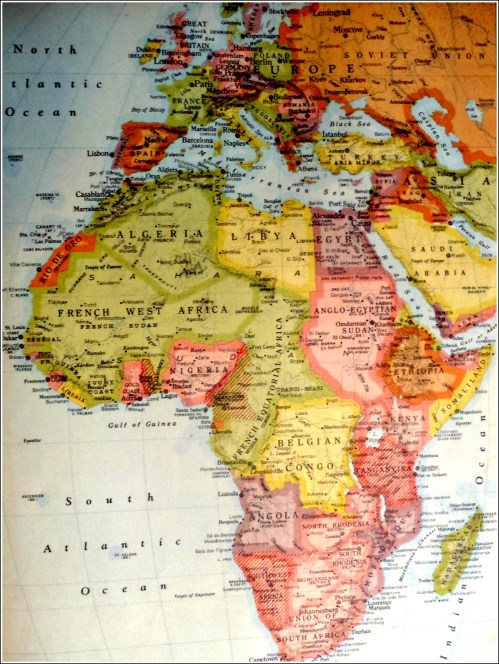
Many of these names have been changed in the past 50 years of independence, but the legacy of colonization, of course, lives on.

In my search to understand this connection between mapmaking and empire, I remembered one of my favorite sections in the play, Tamburlaine, by Christopher Marlowe. Tamburlaine is a play about a man that seems superhuman in his ambition and his strength. In one scene, Tamburlaine discusses the growth of his kingdom by using the metaphor of a map and a pen:

“Zenocrate, were Egypt Jove’s own land,
Yet would I with my sword make Jove to stoop.
I will confute those blind geographers
That make a triple region in the world,
Excluding regions which I mean to trace,
And with this pen reduce them to a map,
Calling the provinces, cities and towns
After my name and thine, Zenocrate”

(Marlowe, Tamburlaine, I, iv, 72-79).

Here Marlowe conveys the dreams of a new map for a new kingdom with a new king. Tamburlaine connects the map of the world to his goals for military conquest and his desire for increase. With these words he boldly speaks the future into existence. He, like many leaders throughout history, desires to claim the earth as an extension of himself and his power. His kingdom will be as large as his desire because his strength will not be stopped in his pursuit.

This confidence is not unique to Tamburlaine or fiction at all. There are many examples of powerful men looking over other people’s land with greed. These days we all understand this idea of a “nation” as if it is the way that we’ve always structured the world, but that is not the case. As we shifted to nations from the former powerful families, kingdoms, and empires, many voices of dissent were silenced as neat maps were drawn by powerful hands. Here’s a few examples (with dissenting factions in parenthesis):

  • The United States of America (The Lakota, The Sioux)
  • The Democratic Republic of Congo (The Banyamulenge)
  • The United Kingdom (Northern Ireland)
  • China (The Uighur, The Tibetan)
  • Iraq (The Kurds)

In America, we expanded our borders with military victories and the conviction that God Almighty had ordained our growth. In other nations, it was a colonizing force that created new borders with little regard for indigenous territories or cultural differences. While the colonizing or invading forces subdued, they claimed the land and it’s “inferior” inhabitants. In nearly every single case, it went something like this:

“Sorry, that place you call home isn’t your home any more. Oh, and stop calling it that. It’s not called that any more. You’re pronouncing it wrong. How could you be so stupid?”

***

This is the power of names. When a name is given, it becomes familiar. When the name of a place is changed, natives become foreigners. Dignity is stripped. Identity is lost. And there is a deep unquenchable resentment that lives on in hearts and minds.

We are all a part of this legacy. We are all naming or being named.

Smelling Magnolias

When I worked at a high school in Richmond last spring, I drove the bus in the morning before going in to teach. Each day, I dropped my students off at the front of the building then drove around the corner to park. Several times on my way back to the entrance, I walked past a small magnolia tree covered in blooms:

Walking by that tree, I would stop and lean in for a minute or two to smell an old, familiar smell. It’s completely cliche, but magnolias will always make this southern boy think of home. For that brief moment, I was there: climbing in the magnolia in front of the house where I grew up.

Memory is, of course, powerfully connected to smells and I have noticed this more intensely in the past few years. Maybe I’m more aware of the smells or perhaps I’m becoming more aware of the memories. Either way, smelling magnolia was a comfort on those mornings before walking into school and trying/failing to teach.

In recent months I’ve begun to move toward “nostalgia” as a topic of interest. During this time, I’ve remembered moments of nostalgia in my own life as I’ve also found it referenced in books and articles. Nostalgia is intimately related to the themes of this blog. As we propel ourselves forward we’re also liable to make an occasional backward glance. Also, nostalgia reminds me that “leaving” is not always as complete as we wish. We are all building on the past and it surely composes much our future.

I can’t always predict when I’ll come across a magnolia to remind me of another place or another time, but I hope I’ll stop to smell and remember. As my brain visits old synapses and makes new connections, I will be content to rest in the moment. And then, to take a step back and be thankful for the past and the present.

Magnolias grow in the most unexpected places.

Selling Memory

A few months ago, I wrote a post on my generation: many of us living, working, and studying far from the places of our birth. This post is a semi-related follow-up to answer questions related to memory of the place you’ve left.

Today, I want to write about how and why we think about the past. In particular, I want to write about nostalgia. Nostalgia is longing for what has been lost and holding onto memories of a place and a people from the past.

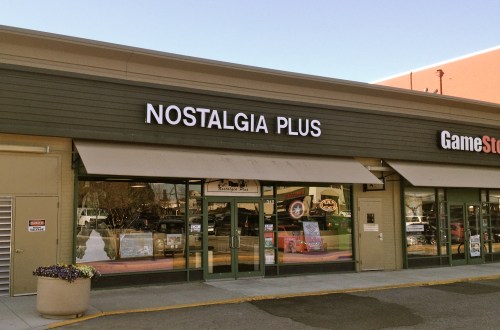
It’s also a comic book store in Willow Lawn:

Nostalgia Plus

As a cities guy, I first started thinking about nostalgia the summer after my second year while working in Richmond and reading Twentieth-Century Richmond by Christopher Silver. Driving through the region’s sprawl, I lamented the loss of what I believed was once a dense and invested place. I longed to return to the Richmond of the early 1900s with its streetcars and city festivals. I was amazed at how dense Richmond was and how much people cared about this place and cities in general. I wondered if I’d been born in the wrong century. In a previous post, “Longing for a Heyday,” I wondered that many American cities like Richmond are stuck in an unhealthy, backward gaze toward something they once were: places that people loved. Even cities that are actually old are sometimes forced to appear old in a certain, scripted way that flattens their experience.

By the end of the summer, I realized that I had made a mistake: holding onto nostalgia for the past involves denying the difficult realities of life at the time. I began to integrate my knowledge that the early 1900s was also a time when the KKK was experiencing a rebirth, segregation was increasing, and dirt roads were the norm. I also remembered that public health at the time was a nightmare. In my final presentation on the research, I called for an attitude of “thoughtful nostalgia” that learned from certain aspects of the past, while accepting their context in the overall reality of life at the time. It was an important shift for me and one that I have carried to this day.

A year later, I read Greg Dickinson‘s article “Memories for Sale: Nostalgia and the construction of identity in Old Pasadena.” It’s a fascinating piece about memory and place: Memory place. He writes that Old Pasadena has been crafted into a shopping center where people can visit and consume nostalgia in the form of architecture, period-themed restaurants, and walkable city streets. Most Americans live in places that were built since the 50s, but we like to visit places where we can feel like we’re connecting with the past. He writes:

“Old Pasadena’s new, old style is more a set change than a revival of the ‘real’ past. This nostalgic recollection formed as a movie articulates with the nostalgic films that Fredric Jameson suggests are typical of postmodern culture…For Jameson, nostalgia is a dialectal response that attempts to overcome, consciously or unconsciously, the emptiness left by the postmodern loss of the past.

This loss of the past, for Jameson, includes the very elements lamented by authors such as Robert Bellah–loss of communities of memory, loss of the extended or nuclear family and loss of concrete relations caused by the abstractions of post-fordist economic structures. Old Pasadena becomes one of the dramatic sites that responds with simulacra of the past to the contradictions of the present.”

The last four generations have, in essence, left historical places behind and replaced them with lesser representations, simulacra, that assuage the loneliness of our displaced souls. We consciously and unconsciously seek lives within historical context, or, as James Kunstler called it, “a hopeful present.” Kunstler states that the “public realm” needs to tell us where we are geographically and where we are as a society.

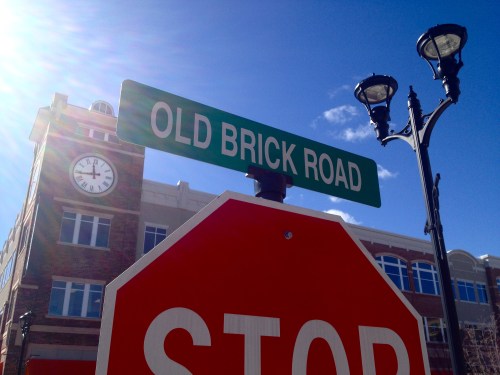
Today, while some seek architectural authenticity, others are left with historical references to old times on new buildings. The result is absurd on the verge of caricature, but we don’t even notice it anymore:

Old brick road

This is a photo from a development in Richmond that Ed Slipek playfully called “the future.” At West Broad Village, the future looks strangely like the past. With references to French, American Colonial, Italianate (?) and modern strip mall styles, the development doesn’t tell you much about our society in a coherent way, but instead calls upon a whole host of references to look like “something.” This is the veneer of nostalgia Americans have used to cloak the cinderblock and steel of our daily lives.

Once you start to see it, you will notice it everywhere.

I hope that as we begin to see this commodified nostalgia for what it is the market will respond with more thoughtful developments. I realize most real estate developers weren’t assigned Dickinson in college and I don’t expect everyone to think the way I think. I’m mostly just concerned with the nation America will be in 50 or 100 years.

I hope we’re building places that will still have worth for what they represent on their ownnot for the past civilizations that they reference.

Reflections

Reflection is a constant theme in my life. Often it means moving from an emotion to an observation of new insight into my life and/or the lives of others. Reflection means asking “why?” Why did it happen that way? Why do I feel this way? Why do some and not others have this or do that? Why do you believe what you do about adventure, or loss, or happiness? Reflection means observing yourself and your life. It is that quality that makes us human: the homo sapiens sapiens.

The knowing knowing man.

Stop making public transit a social justice issue

Dear friends, colleagues, and activists in Richmond,

For the past several months I’ve been hearing an “access to jobs” argument for regional transit in the Richmond Region. This argument proposes to connect poor residents in Richmond with entry-level jobs in the surrounding counties.

I’m afraid this approach will not be received well.

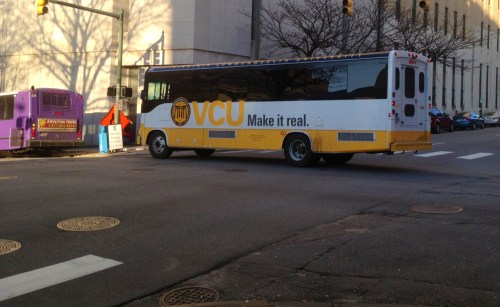
Richmond city bus

I believe the statistics and I understand the need for jobs in Richmond on a very personal level. I just don’t think the current approach is savvy. When I see Powerpoint slides depicting the number of people in Richmond who need jobs and the number of entry-level positons in the counties, this is what I hear:

“Hey Henrico and Chesterfield, look, we have all these people that need entry-level jobs and you have all these entry-level jobs. Wanna pay to transport our least-well-off residents to your strip malls and corporate offices so they can take work from your growing poor and immigrant populations?”

Wow. Is that how they managed regional public transit in other cities? By shaming municipalities into investing into something that their own residents don’t yet desire? Is that how we make decisions in Richmond? Do the counties even need Richmonders to fill those jobs? Something tells me that if the entry-level jobs in the counties weren’t being filled employers in the counties would be pressuring their local leaders for regional transit. I have heard no such demand.

I am 100% committed to advocating for a more efficient system of transportation in this region. I am open to the idea of BRT being the model for that system. I want more density, more connectivity, and healthier communities in Richmond. But I don’t think that framing this particular initiative as a social justice issue is going to get us anywhere. Is it a social justice issue? Of course. People should not have to own a car to get a job. Is that the best way to approach the topic with our more conservative and flighty neighbors?

By all means, no.

Busses in America are already stigmatized. Let’s stop exacerbating the problem. Instead, let’s find and emphasize more reasons why our neighbors could benefit from regional public transit. Here are a few to start: safe and reliable transportation for the young and elderly, a chance for residents to work with WiFi on their daily commute, and an option to travel downtown quickly without the stress and hassle of parking. I also read a great article a while ago about the therapeutic qualities of the D.C. Metro and I LOVE this piece by a man who wrote and illustrated a book while riding the train to work. Here’s a video from NextCity with countless more: “God Created Transit.”

The one benefit that I’ve heard mentioned, economic revitalization, should be more celebrated and emphasized! Transit-oriented development has incredible potential in this low-density region and streets like Hull and Broad are full of vacant lots ready for new development. Also, in order to make transit viable we’re going to need the density of nodes along the BRT corridor so it’s integral to the success of the project itself.

I don’t want us to see public transit as an indulgence that the suburbs have to buy in order to cover their sins of wealth and security. Public transit is a relaxing, efficient, and social way to travel. In the past year, I’ve made new friends, reconnected with acquaintances, and laughed with my coworkers on the bus to and from work. I love the bus and I invite the rest of the region to consider whether more of our neighborhoods should enjoy access to public transit as I do.

In short, public transit is a party and everyone’s invited. It’s just that some in this region are going to have to drive to get there.

p.s. thanks for sharing the video @curtrog 🙂

Labor Lost

There is something that’s been bothering me since I left Detroit. It’s a lingering question: What would America be like today if auto workers throughout the Twentieth Century had rioted and protested against the American government rather than corporations for benefits and a fair wage?

What if the corporation was the wrong target all along?

Today, many people look to Detroit as a failure of unions demanding too much of corporations: health care, pensions, company cars. I disagree with this opinion, but I do see the point: residents on that frontier town were struggling too locally. This made Detroit a formidable industrial town for corporations looking to do business. But their struggle didn’t benefit or protect the rest of their nation with federal policy.

I think one reason workers demanded help from their employers was their perceived permanence. From the nineteen teens to the 1950s the auto industry in Detroit seemed as permanent as the nation itself. I think that it was also a matter of proximity for disgruntled employees: Workers in Detroit could march down the road to Ford’s River Rouge plant more easily (even with the fire hoses and armed guards) than they could drive 10 hours or so to D.C. Unlike Paris and London, our nation’s Capitol wasn’t the heart of industry and labor reform.

Ford was close and he was rich. The businesses in the city also had the most to lose and so it was here that employees felt they had the most leverage. With sit ins and riots they demanded their humanity and their health. And won. As their employers rose to global prominence the quality of life for middle class residents of the city continued to increase.

And then Martelle writes that two things happened: globalization and vertical integration. New factories were increasingly being built abroad and auto parts were increasingly being manufactured on site rather than purchased from suppliers. Neither of these is the fault of Detroiters. And then there was the flight to the suburbs and the Sun Belt, encouraged by federal policy and grants to decentralize defense industry and connect the nation with highways.

In sixty years, the city flipped in every way imaginable.

Today, the Big Three have taken their factories elsewhere and acquired or driven out many of their parts suppliers. With their departure went their jobs and salaries as well as their accompanying healthcare and other benefits. The classic quick-one-two jab of American unemployment.

We’ll never know what America would be like if we had demanded more security from our national government as we industrialized. Perhaps we’d be falling like France or maybe we’d be rising like Great Britain.

While we benefit from the labor struggle in Detroit, we continue to blame the city for demanding more. When really I think they should have demanded differently.

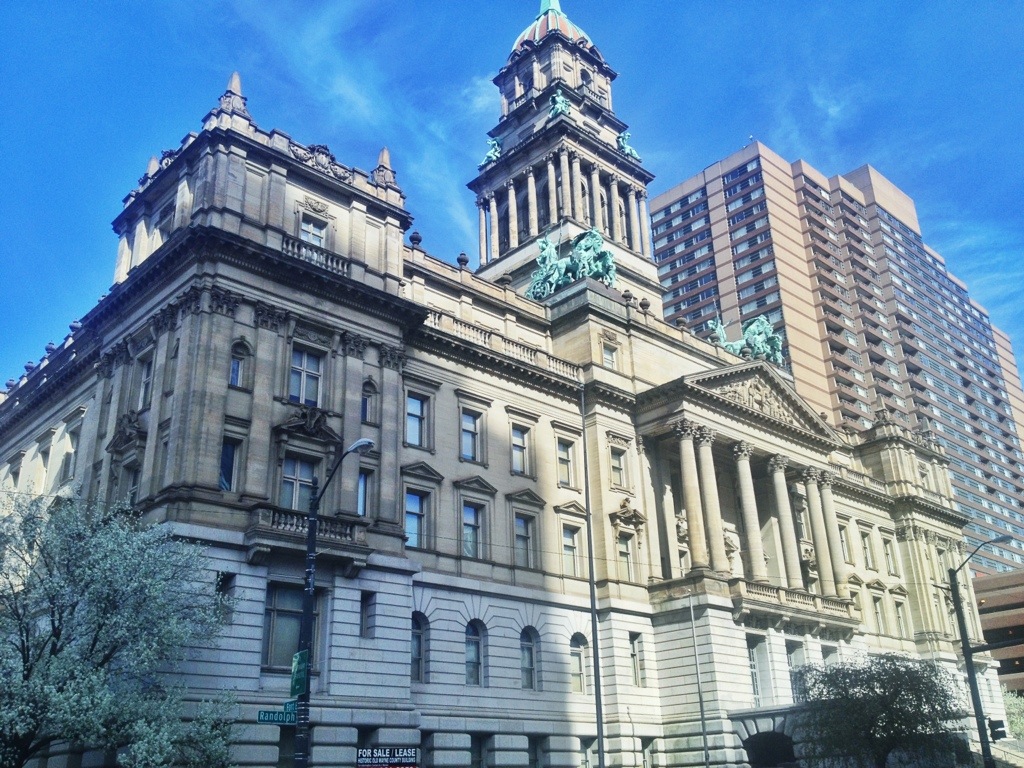
The Wayne County Government Building

Believe it or not, this building is for sale:

20130504-232144.jpg


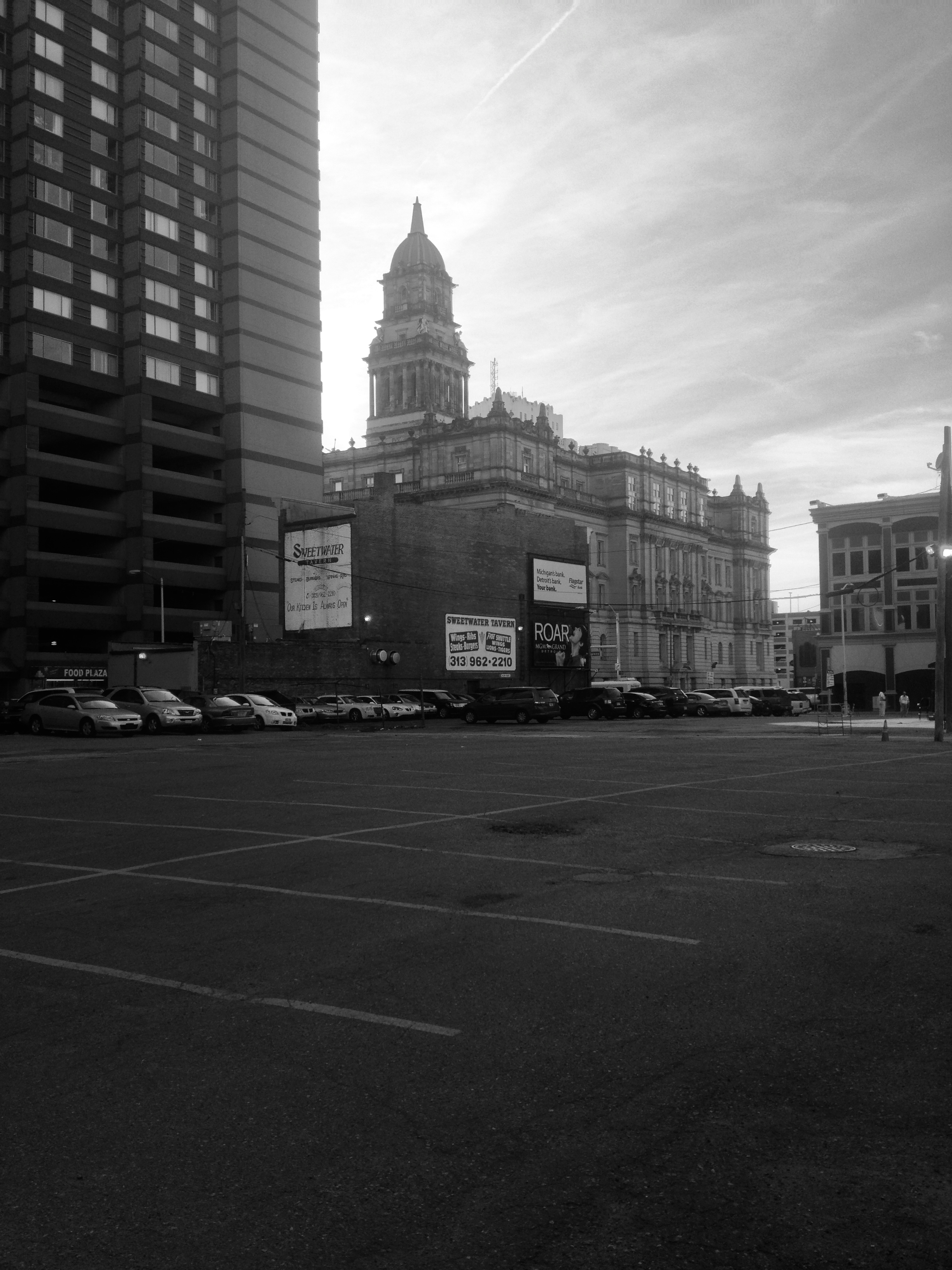
Wayne County Courthouse from the back

If I were Bill Gates, I’d make this my second home.


Image

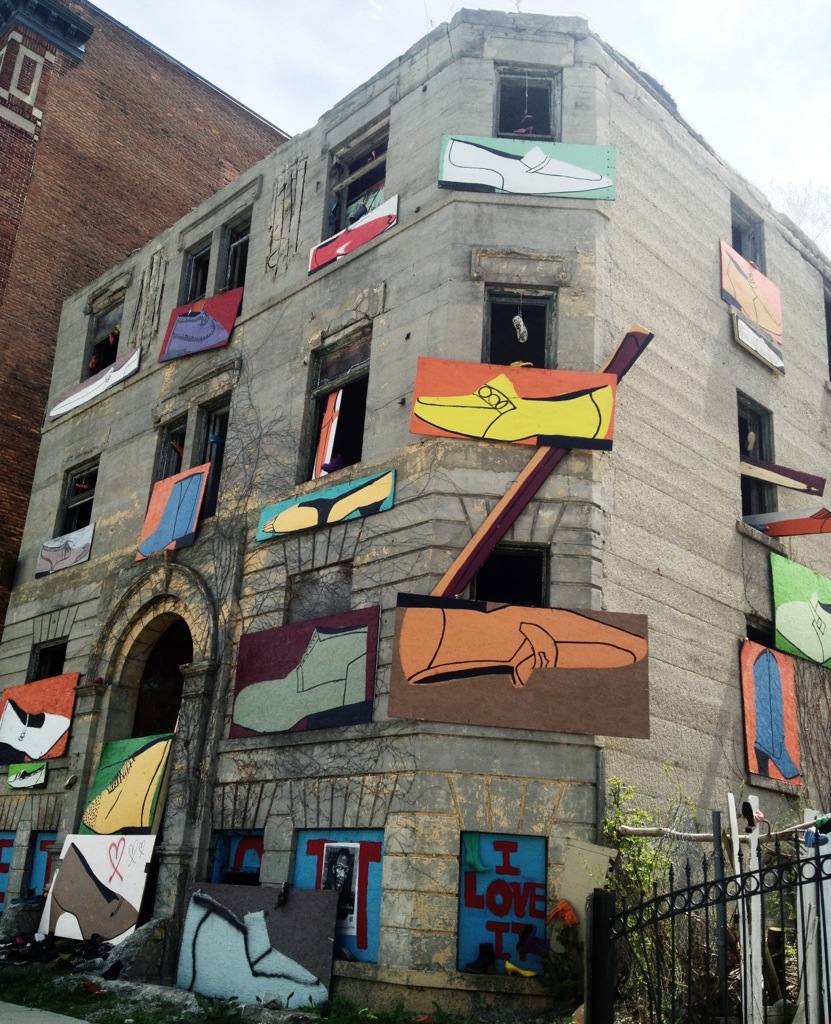
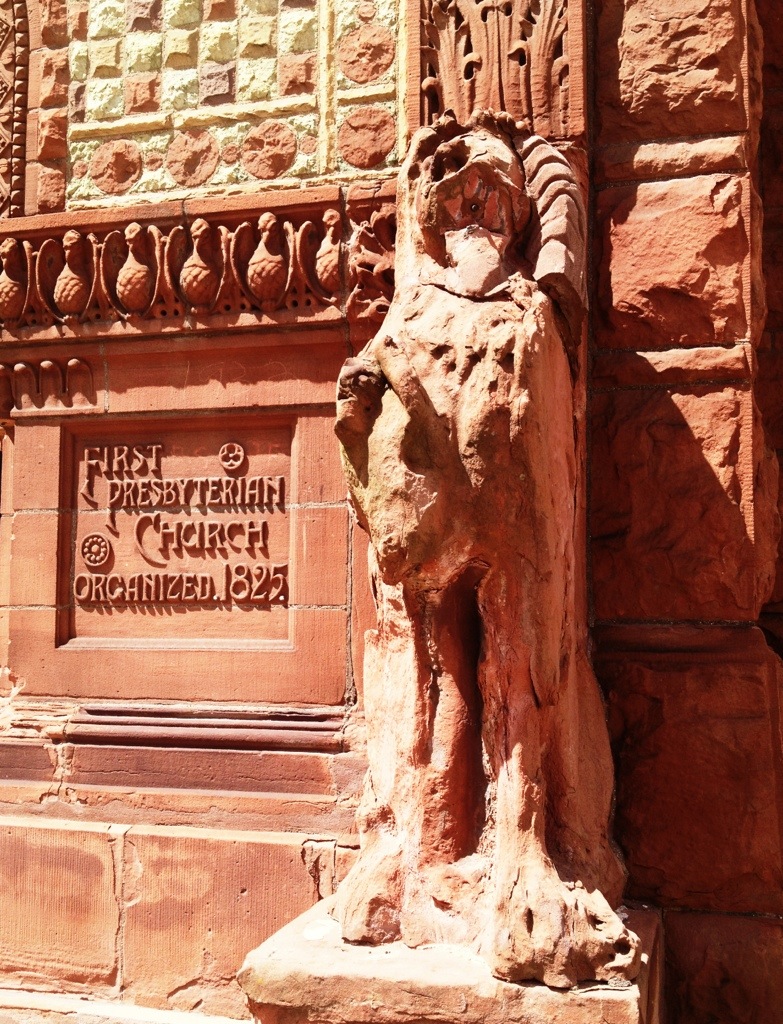
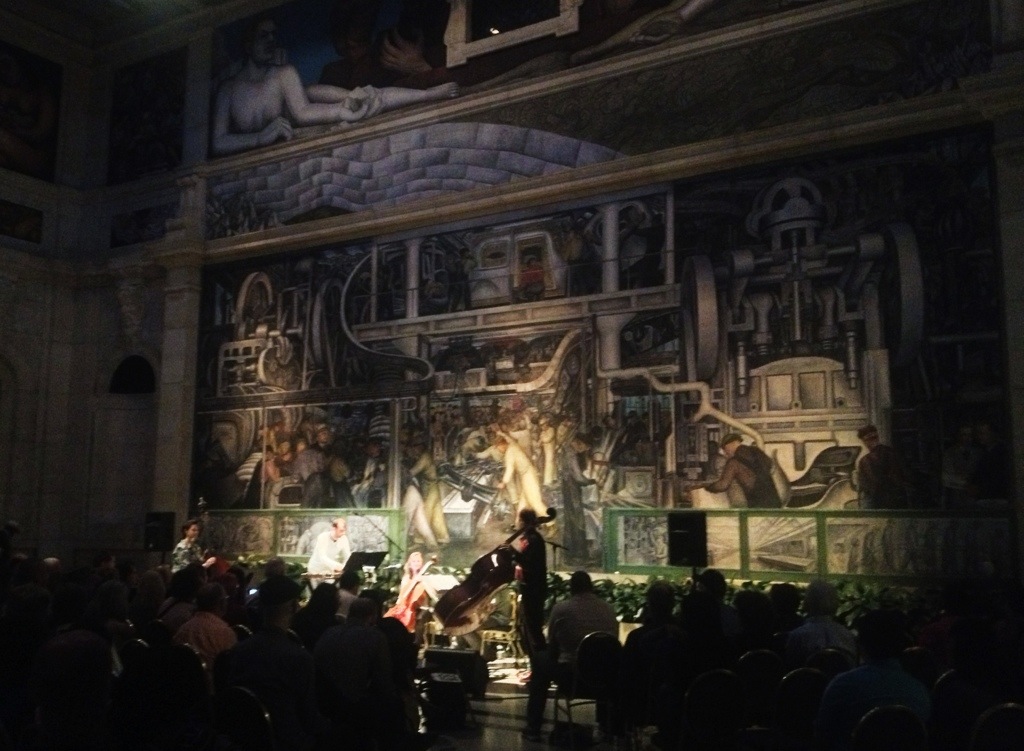
A Day in The D

20130503-181455.jpg

20130503-181527.jpg

20130503-181545.jpg

20130503-181606.jpg

20130503-181626.jpg

20130504-013014.jpg

20130504-013039.jpg

Descent

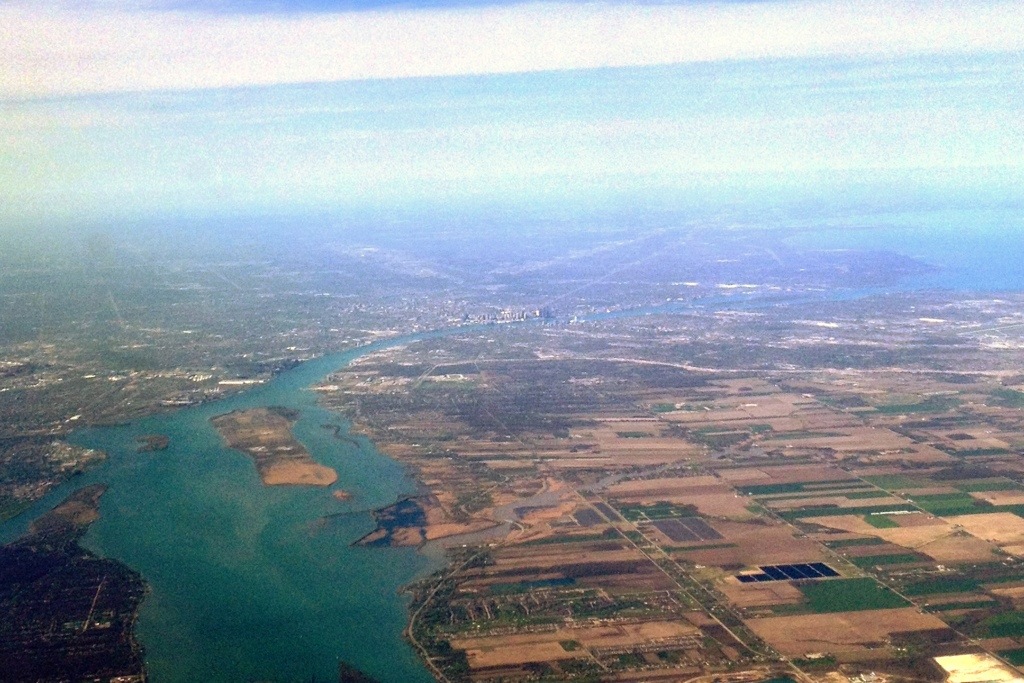
As I descended into Detroit, I realized I’d lucked out with my window seat. As we flew west, I looked north to this view of the city of Detroit and nearby Windsor:

20130502-171707.jpg

When I looked out the window to take this picture, I put down my book, Detroit: A Biography by Scott Martelle. I had literally just finished the astounding story of alcohol being smuggled across this river during Prohibition. Martelle writes:

“…providentially it must have seemed, wartime prohibition laws across the river in Canada ended on January 1, 1920, a little more than two weeks before the American booze spigot was officially shut off” (Martelle, 104).

Powerful forces across this area of America looked to Detroit and the potential for illicit trade just across the Detroit River. There is no estimate for the extent of this underground empire, but both sides of the river saw a new market for rapid growth. And then I read about how this market, artificially created by a constitutional amendment, began to change the lives of locals.

Martelle writes,

“The smuggling business was so good that Canadian farmers gave up spring planting in favor of rum-running, letting their fields on the south side of the river lie fallow as they moved booze across the river in small launches.”

Everything changed in two weeks for the liquor export business in Windsor and the traditional way of life was left for new enterprise. And then I thought, this whole city has become like a fallow field: left for new opportunities and markets.

Detroit was planted, the city was carefully nourished and developed, and then it was left with no regard for heritage or tradition. The money ran dry (or ran away) and the people left with it. I guess, as much as you love a place, you have to feed yourself and your family. Even if you had a job you might have feared for your life. Detroit became a loser, a bad bet, and an unstable place to live:

“In March 2011, the US Census reported that the population of Detroit…had dropped to 714,000 people, down by a quarter-million since 2000 and by more than 1.1 million people from its peak of 2.8 million residents in 1950…” (Martelle, XII).

As Windsor plodded along at a casual, Canadian pace, Detroit rose to global fame and fell to national shame.

Today, people are overcoming the stigma that descended upon Detroit all those years ago and realizing there is still much to love. I’m amazed by the beauty and drama of the buildings and the potential of the space around them. And I’m not just squinting my eyes and using my imagination.

I don’t know what’s next for Detroit, but I’m glad to be here to see it unfold. The descent has been devastating and has left a shell of a place. I don’t know what Detroit can become without heavy industry, but creative citizens here are working to figure it out.

I’m just a tourist inspired by a story.

The trend

“The trend toward division of labor and specialization is one of the most universal and one-way trends in human history.”

(Roy Baumeister, Is there Anything Good About Men: How Cultures Flourish by Exploiting Men122)

Detroit Preflection

“Have fun in Detroit!” a friend said to me today. Then added, “I never thought I’d say that.” I laughed and thought, “I never thought I’d hear it.”

In one week, I’ll probably be eating lunch in that infamous American place: MoTown, The Motor City, The D, former home to the Arsenal of Democracy, and the historical heart of the global automobile revolution. Today, it’s a bleeding heart, to be sure, but it’s a crazy American story and I’m ready to see it for myself.

•••

I don’t remember the first time I heard about Detroit. I don’t think it really factored into my elementary, middle school, or high school educations. If it did, it wasn’t a prominent stop along the way.

Actually, I think my first connection to Detroit was in the movie, The Jungle Book (1967). As King Louis sang “I wanna be like you,” the rhythm of Motown filled my young ears. It’s a somewhat dubious scene in the movie, but a good example of Disney capturing the musical genre that Detroit sold to the world. It would be most of my life before I would even begin to consider it’s context or implications.

I didn’t grow up dreaming about Detroit, but I’ve always been interested in cities. This particular city has been calling my name since I first read Tom Sugrue’s Origins of the Urban Crisis for a class five years ago. As I read Sugrue in horror, I learned about the racism and violence that ruined the city in the twentieth century. My classmates and I watched a moving documentary, “Goin’ to Chicago,” that introduced the story of the Great Migration and its role in changing many northern cities (definitely click the link to watch the video if you’ve never seen it). The following summer, I had a layover in the Detroit airport and talked to a woman who told me that she was proud of Detroit despite it’s national perception, but then added that she preferred to live in “nearby” Windsor. I remember the airport was pretty cool too.

That same summer, my boss at Partnership for Smarter Growth gave me a copy of The Geography of Nowhere: The Rise and Decline of America’s Man-Made Landscape as if it were a coming-of-age ritual. She said that someone had given it to her and now it was time for me to have it. Around that time (or earlier), my parents enthusiastically told me about the documentary “Standing in the Shadow of Motown” and I later watched and was amazed. Here’s a link to the trailer. What a place! This music changed the world, but many of us forget it or were never taught in the first place.

For the next few years, I spent almost all of my time learning about Richmond and New York City. But last summer I watched (and really enjoyed) Eminem’s movie Eight Mile and was reminded of my fascination with the city. More overcoming, more amazing music, more fight, more attitude. I have to go there.

Last year, I started to read the book The Warmth of Other Suns: The Epic Story of America’s Great Migration and once again I became incredibly interested in the story of the Great Migration. The title is not hyperbole. The story is epic. It’s a huge book and I had to put it down, but I’ll finish it some day. It’s impossible to understand race in Detroit without understanding where everyone came from. This is the story of African American migration from the rural south to northern cities such as Detroit.

I have seen three brief videos that have connected me to Detroit in different ways. First, the Chrysler Super Bowl commercial, “Imported from Detroit.” I was totally moved by the gospel choir, dramatic shots of the city and phrases such as, “you see, it’s the hottest fires that make the hardest steel.” It was bombastic, yes, but you can’t deny that attitude. It is unique. You could not make a video like that about Richmond, or Austin, or San Francisco. More recently, I watched the trailers for the documentaries Burn and Detropia, both jarring insight into the reality of Detroit’s profound decay and loss. I continued to feel the drama of this city from 1,000 miles away.

I recently stumbled upon one last video that I have grown to love over the past year. It’s a beautiful piece about the Michigan Central Station in southwestern Detroit titled, simply, “Michigan Central Station.” I like this video and I choose it to conclude this post because it’s not sad, but it’s a real portrayal of an abandoned place. It’s also connected to a Web site, “Talk to the Station,” where we’re encouraged to share “ideas and love” for the dilapidated structure. The ideas are great and the energy is exciting. Fifteen ideas in the last two weeks!

As I look forward to my visit, I am most excited about this kind of creativity and stubborn ingenuity in the face of a raw and bitter history. My pilgrimage has been brewing for almost five years and I’m ready to see the place for myself.

Detroit, I’m on my way.

Detroit! Books! Adventure!

I’m going to Detroit. In preparation, I’m putting together a reading list, calling interesting people for advice, and working my network to put together a legendary survey of this monumental city. I will likely post about Detroit in advance of my trip, potentially during the trip, and certainly after the trip. For now, here’s my reading list:

When I was in college, I loved to plan trips like this so I’m beyond excited to get back into the fun. Can’t forget about fun 🙂 Maybe one day I’ll have a job that encourages me to plan trips to places that have a story to tell, lessons to learn, and a creative vision for the future. Until then, Detroit awaits.