
Right now, all I can think about is Creative Placemaking.
My friend Anne Tyler just told me about the term which she first encountered this summer during an internship in DC. She’s working at the National Endowment for the Arts (don’t throw stones) as a part of their newly created “Our Town” grant program. On July 12, 2011, the NEA posted a Press Release announcing the first round of grants totalling $6.5M. Through this program, the NEA will fund 51 communities that have a desire to reinvision neglected spaces for the purpose of encouraging creative people and collaborative culture. According to the Web site,
“Through Our Town … the National Endowment for the Arts will provide a limited number of grants, ranging from $25,000 to $250,000, for creative placemaking projects that contribute toward the livability of communities and help transform them into lively, beautiful, and sustainable places with the arts at their core.”
The idea is basically this: If you are a city, you want to be “creating” rather than “consuming.” In other words, you want to be the place that people look to for the next big idea rather than simply using old ideas from elsewhere. In order to be a city that creates, you must have a creative culture and places that attract and encourage creative people. If you do not have these places in your city, you will find yourself buying rather than producing ideas. Creative people who do not feel engaged will move to another place where they feel welcome. The creativity brain drain.
So how do you keep and attract young, creative talent?
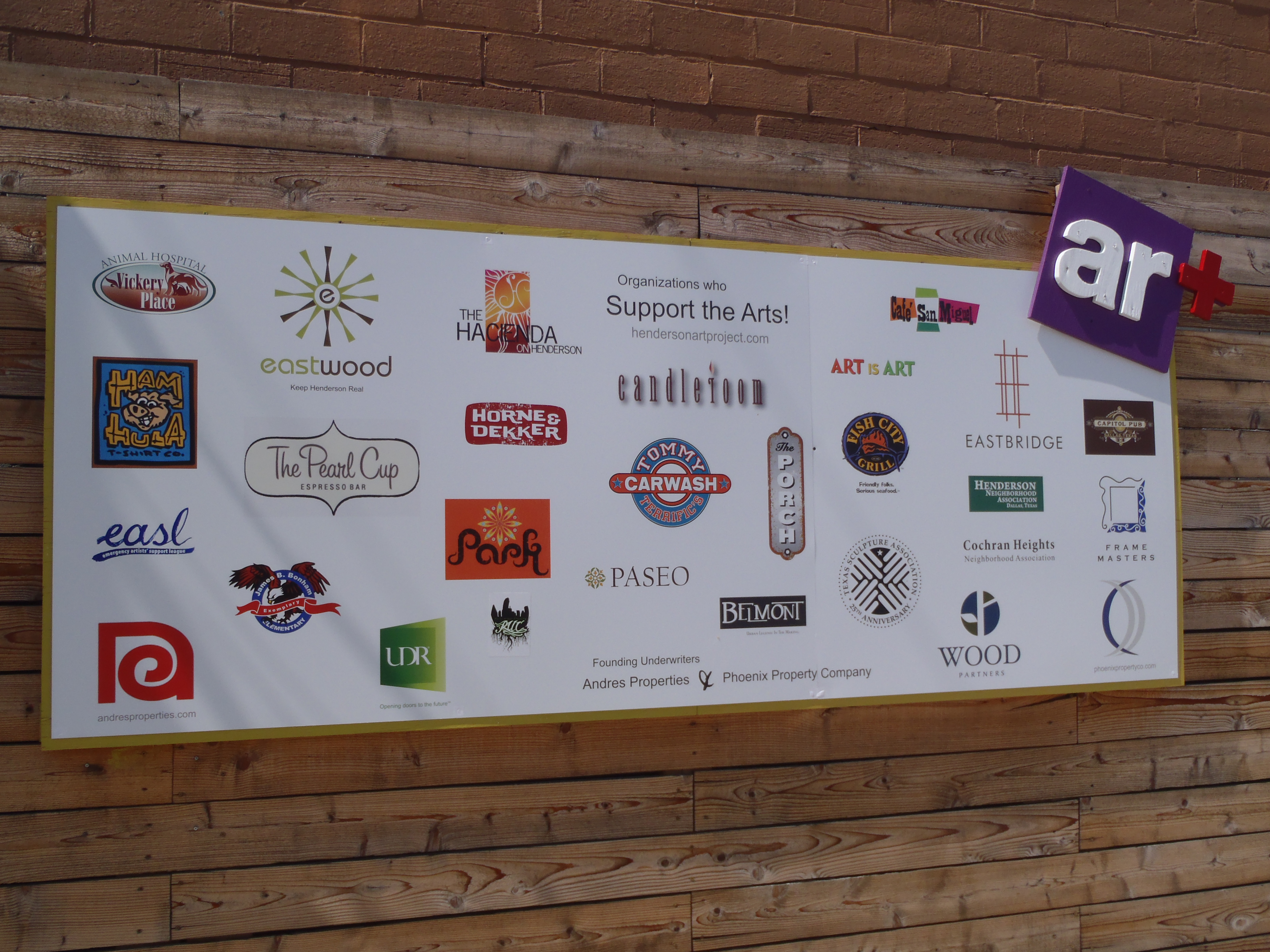 I drove to Dallas to find an example: The Knox-Henderson neighborhood. Many Texas would consider Knox-Henderson a gayborhood (rightly so), but as my friend Price always says, “Hey, they make nice things!” Indeed. The image to the right is of a sign on Henderson Ave. that lists the local businesses that support the arts in the neighborhood. When I saw this sign, I realized I had arrived. The Pearl Cup, my coffee destination, was one of the businesses listed that had contributed to the Henderson Art Project, a collaboration between local businesses and a larger
 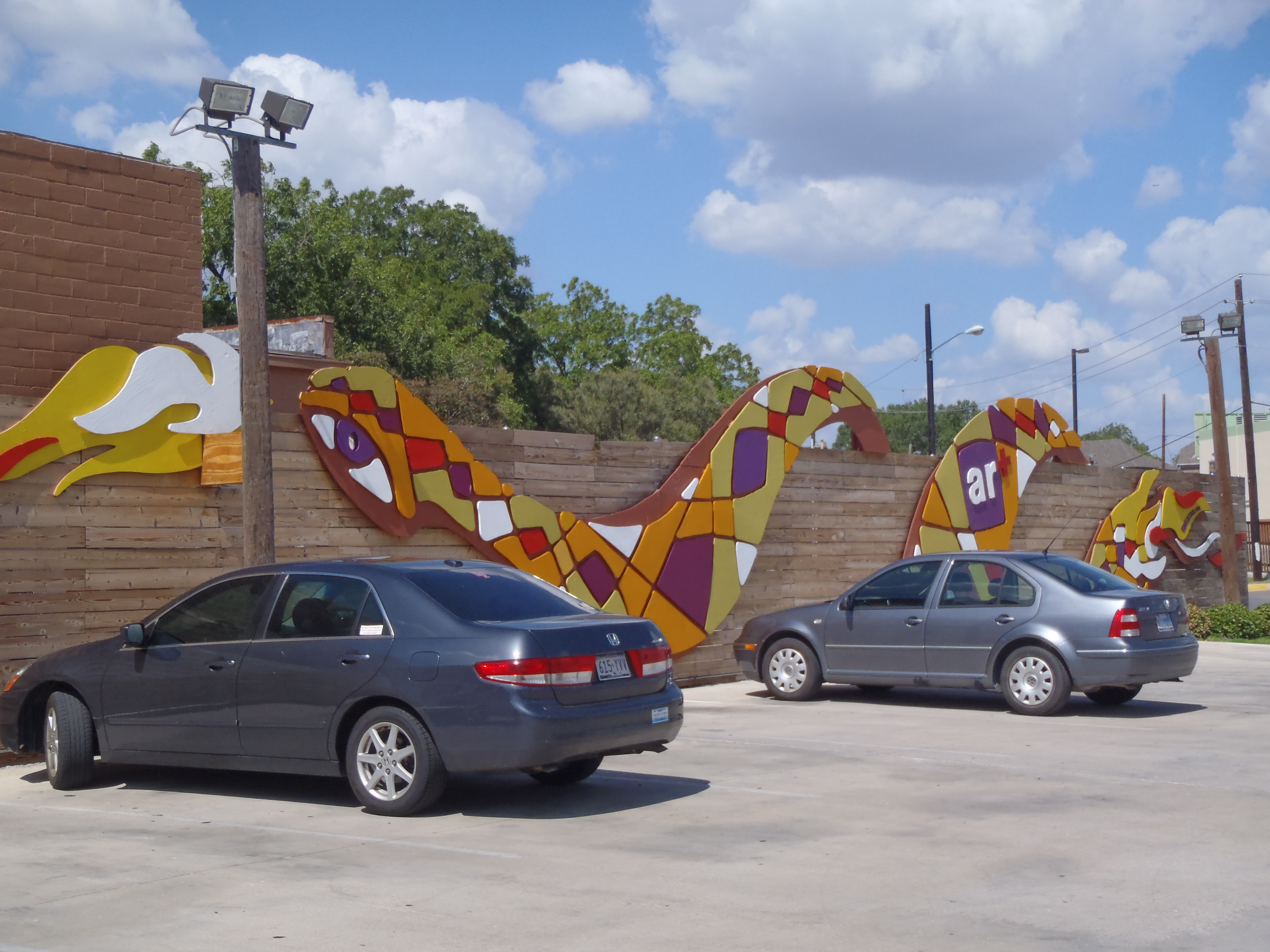 property company. On the same wall, there is a huge flame/dragon/snake installation (pictured left) that takes up about half of the entire length. You can’t miss it … it’s huge. This and several other examples of public art (Included in the Picasa album at the end) are an example of what can happen when businesses realize the economic and cultural value of Creative Placemaking. The public art is a message to creative people: You will thrive here.
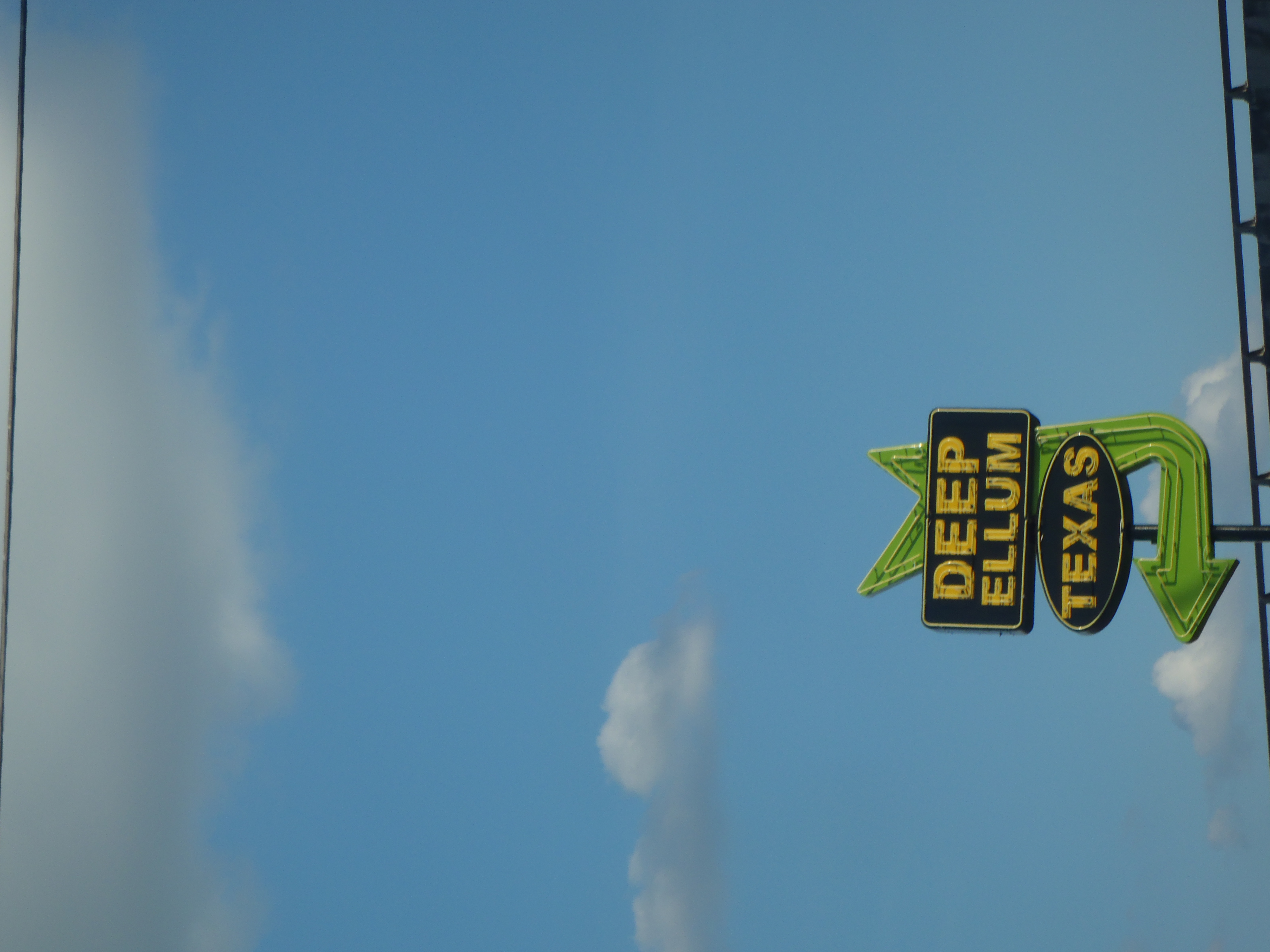 My second example of Creative Placemaking is slightly more dramatic and significantly more cool. I first visited Deep Ellum for a concert when I was a junior in high school. It wasn’t until last week that I went back. Ladies and gentlemen, Deep Ellum is the coolest neighborhood around. It kicks Uptown in the butt and gives Victory Park the finger while doing a wheelie down Main St. The reason why I had to include it as an example in this post is for two reasons: The artisan culture in Deep Ellum feels significantly more organic than in Knox-Henderson and the art itself is displayed on a far grander scale. The murals are the length of entire city blocks (see banner photo), the sculptures are often ten times the size of human scale and the art in general is prolific.
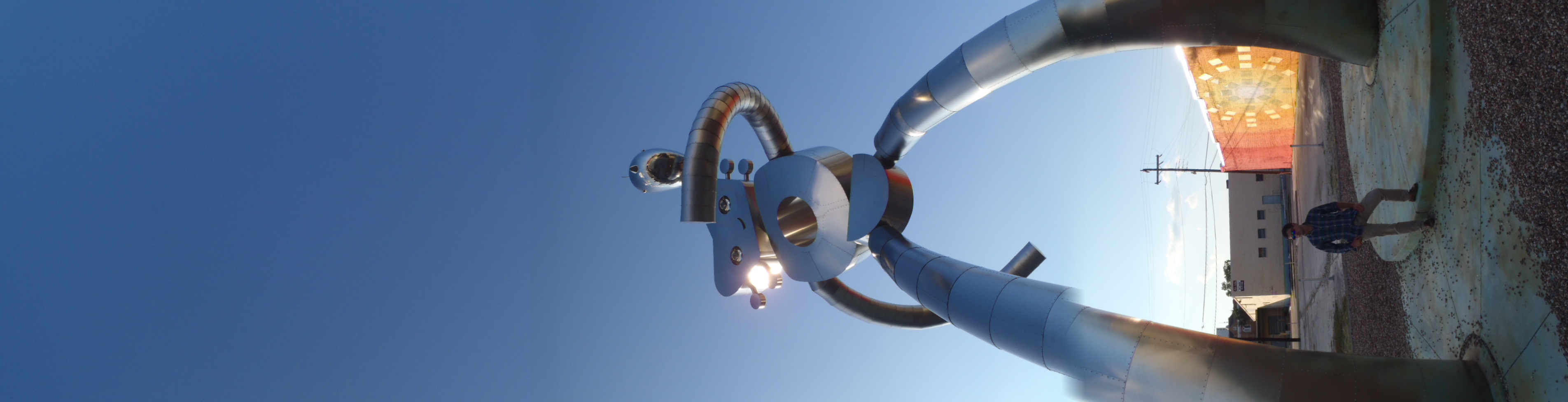 You can’t walk anywhere without seeing something that someone has improved with their imagination. The place feels very engaged. One of the best examples of public art in this neighborhood are the robot sculptures (pictured right) scattered around. They are huge, shiny and very unassuming. There’s no sign that says, “Look at what we did! We’re creative people!” They’re just there … waiting for people to stroll beside them or for an urbanist to take photos and blog about them. Of course, like all cool places, there are people that say Deep Ellum is DANGEROUS. According to the Dallas interactive crime statistics, there are more crimes here then in some places, but not significantly more. Regardless, my conviction is that crime does not get better when upstanding citizens move out of these neighborhoods. Cool places need cool people. In turn, cities need these cool places to thrive and attract new ideas. Many cities would be lucky to have one.
Hopefully, through the Our Town program, many cities will have neighborhoods like these two examples in Dallas. With these grants, the NEA is going beyond simply promoting art. The NEA is promoting the very places that inspire and cultivate art. The Our Town grants can be used for many different reasons, but their primary function is to energize cities to find ways to invite and invest in creative people. I feel like suddenly I have a term that describes a process that I have wanted to promote for a long time.
 |
| Creative Placemaking |
If you find the concept Creative Placemaking at all interesting, you must watch this video of three remarkable case studies: “Creative Placemaking in Shreveport, Milwaukee and Madison.”
The NEA also funded a journal research that resulted in the publication of a journal article titled Creative Placemaking. This article is a must-read for anyone that wants to add lasting value to their city or real estate development.
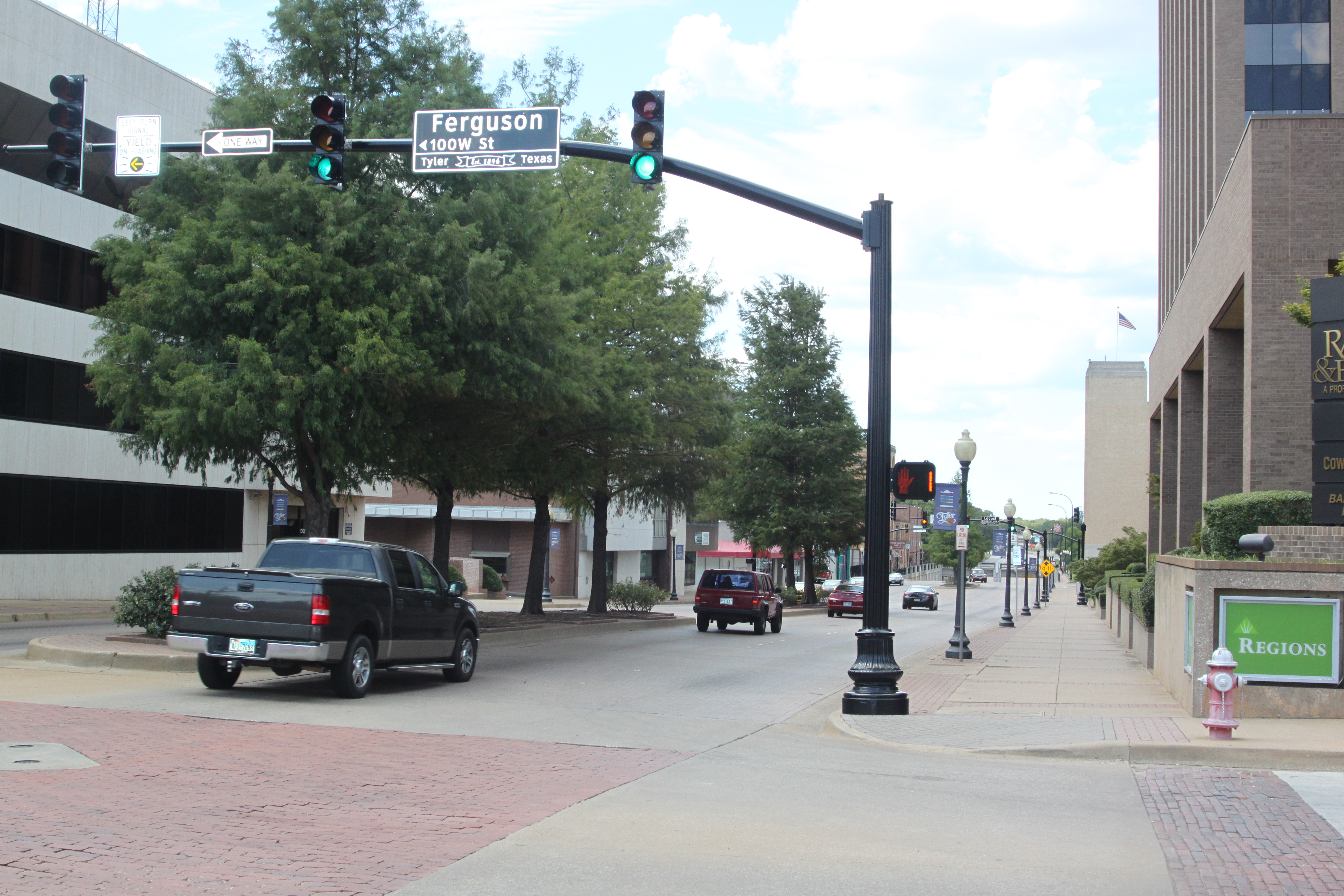
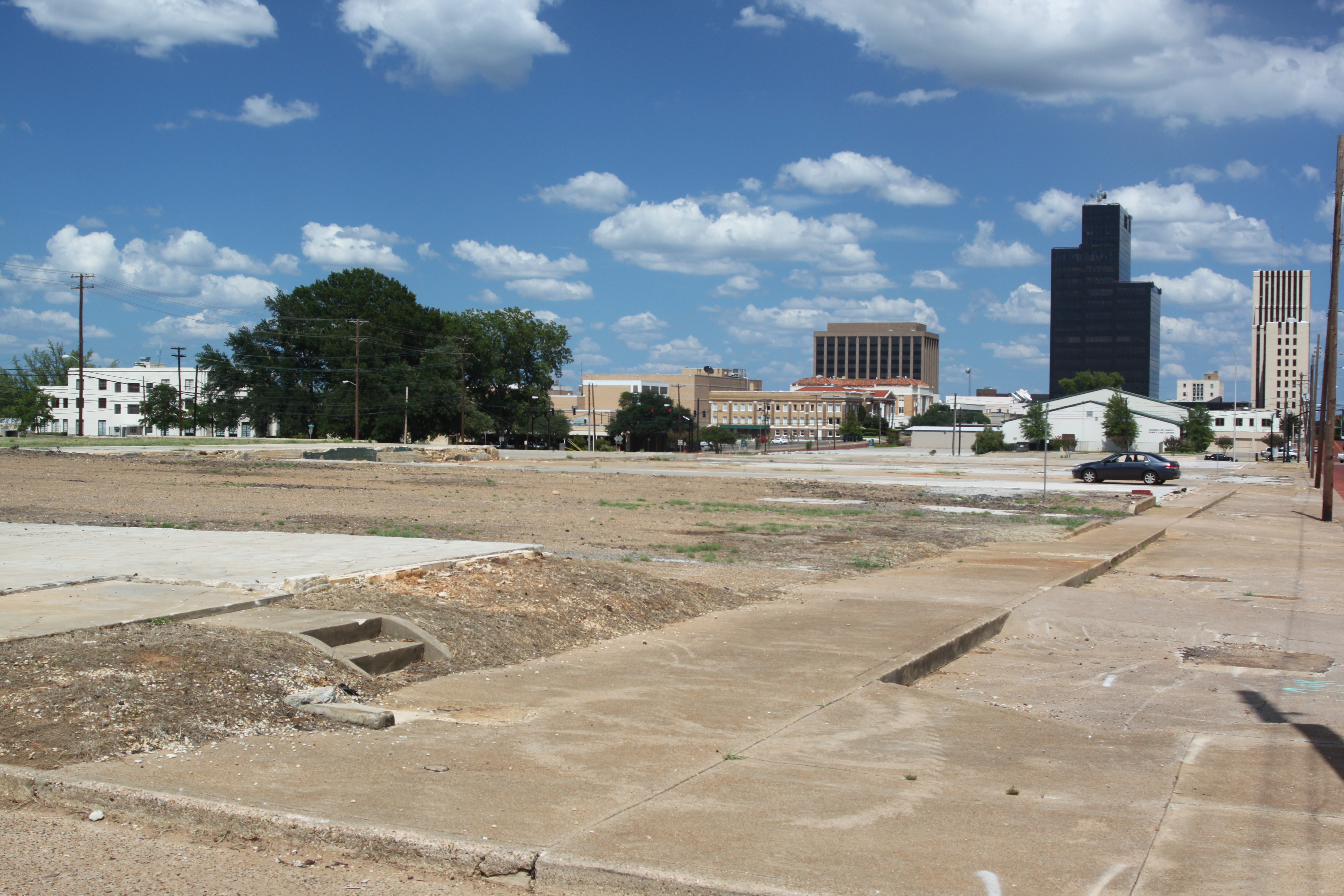

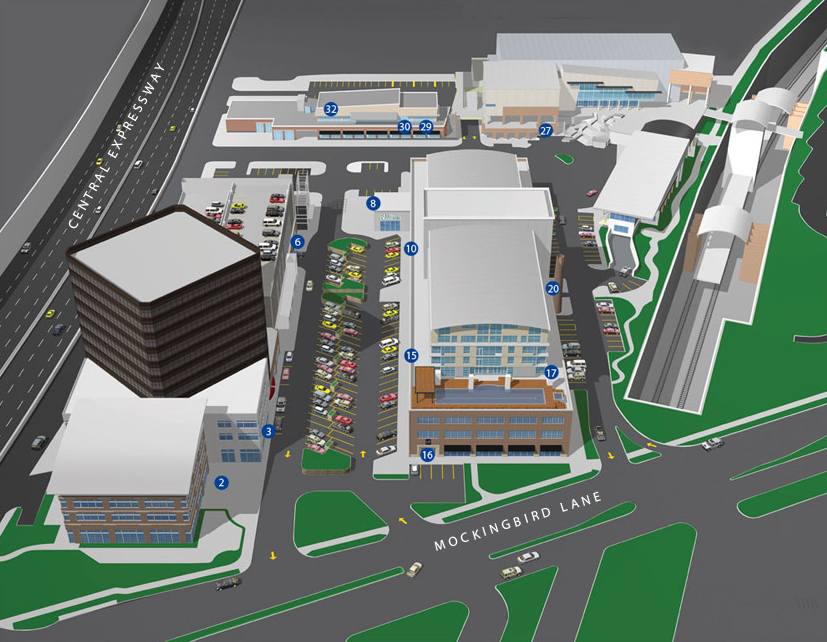
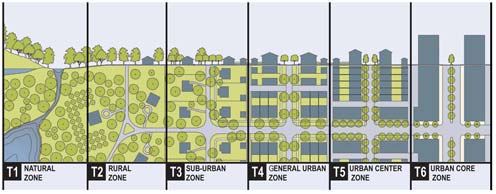
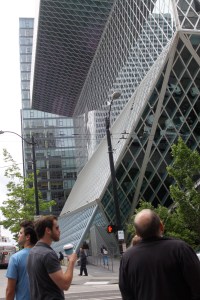 I believe that the potential of every space is limited by real and imagined barriers. If there are real, perhaps topographical, barriers to building a higher density downtown than I’ll be content to give up this dream. I just don’t think that’s the case. Most barriers I would consider “real” are primarily economic, but as long as people continue to build farther south I’ll contend that they might as well build downtown. To me, it’s the imagined barriers that I can’t stand. If it’s a zoning issue, some regulation, or a city of small dreams then I won’t be satisfied. Cities do not become great with small dreams. Cities become great when people do bold things that the mainstream calls crazy. Take, for instance, the Seattle Public Library (pictured). This building is a strikingly beautiful and completely functional structure that could theoretically be built anywhere on any square piece of land. In Seattle, they love it. Could we love this library? I should add, there are people in Tyler doing great work to revitalize our downtown, but I’m just not sure whether the public will appreciate it.
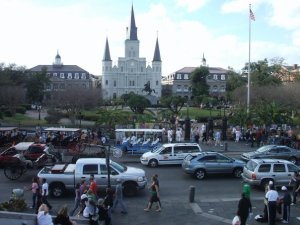 Another possible impediment to Tylerites embracing urban life is a lack of
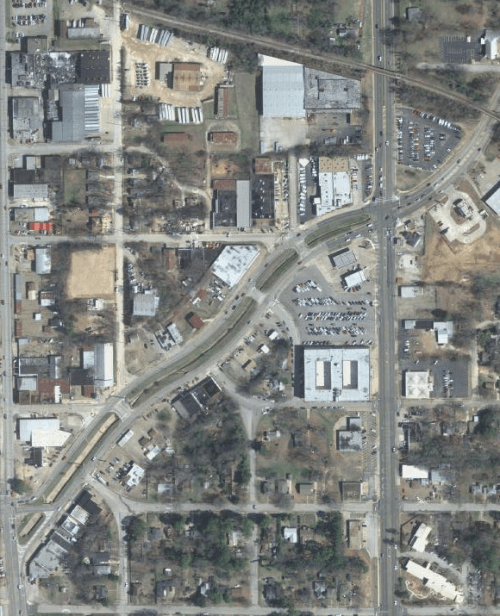
 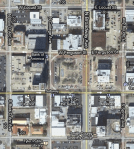 Look at the arial photo of Tyler to the left. These nine city blocks should not look like everywhere else in the city because if they do then they will be no longer be significant. Downtowns are places where you can live to not only experience the diversity of other people’s lives, but most importantly you can personally add to the diversity of self expression, culture, perspective, race, ethnicity, etc. When we begin to add to this multi-cultural society and invest in the community we become a part of organizations and we learn what it means to be citizens instead of consumers. I don’t want us to “consume” downtown as entertainment the same way we sometimes consume church, media and everything else. Rather, we must commit to downtown as an idea and be unified on our goal at the outset. This idea is that, in many ways, downtown is what we look to as the zenith of our city’s development. I believe there is an inherent value to dense urban downtowns as the site of culture creation, political debate and financial stability. Our downtown is a vital element of the future of our city as the capitol of East Texas. We need a viable downtown option, but we have to want it. And we have to know what it is.
 Highways and Hallowed Halls