
When people ask me why I planned a vacation to Detroit, I think about my night at the DIA:
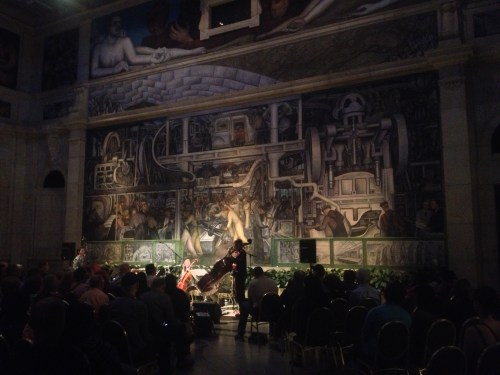
I do my best to talk about my experience, but it’s hard to describe this setting in words: 1920s Beaux-Arts building, 1930s Diego Rivera murals, and an experimental stringed ensemble from New York led by French expat Florent Ghys. It was everything I’d imagined Detroit could be: cultured and complicated.
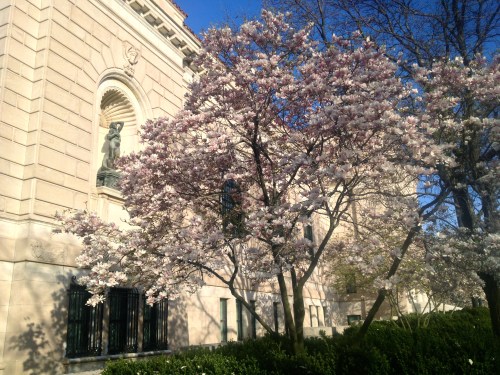
Built in 1927, the Detroit Institute of Arts (DIA) is a fine example of Detroit’s grand past and it’s one of the few world-class institutions in this city that has maintained its status. The building itself is a beautiful example of twentieth century beaux-arts and the American City Beautiful movement. It’s a symbol of a time when wealthy residents and cities boldly invested in their culture and their future. In the spring, you might find tulip trees blooming and the sun shining on manicured lawns.
This is not how most people picture Detroit:
Of course, I immediately fell in love. When we first walked in, my dad and I ate dinner at CaféDIA then settled into our seats in Rivera Court just past the main entrance to the museum. Every Friday night, the DIA exhibits a musical guest for a free live performance. For us, the museum hosted the modern stringed music of Bonjour. In this old stone hall of Diego Rivera murals, the New York chamber music ensemble played Thursday Afternoon and other innovative stringed arrangements.
The museum, in large part funded by the wealth of the automobile industry, has also fiercely defended the Rivera murals which depict faceless humans and infinite assembly lines.
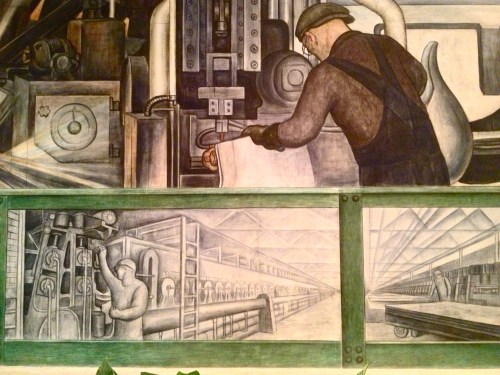
It’s one of the artist’s greatest surviving works in America and it’s ironic to be associated with the family and fortune of Henry Ford. Ford, the icon of the American automobile revolution and Rivera, a Mexican artist associated with communism and the revolutions from below. The murals are both grand and subversive. In Detroit, they’re perfect.
Today, the future of the DIA is in question. When the filed for bankruptcy, creditors began eyeing the art at the DIA and scheming its potential sale. Everything that is great about this museum also makes it one of the city’s most valuable assets. If all the art were seized and sold, it would certainly be a chilling moment in museum history. What’s incredible about the current spirit of Detroit is a “nothing to lose–nothing to hide” attitude. Unfortunately, in the case of the DIA, the city does have something to lose. The question is whether to hold onto an institution from the past or fully embrace a new and more innovative future.
The future of the DIA is the future of Detroit.
For more, check out my “Places” tab for Detroit. I recently visited the Negro Burial Ground just east of downtown Richmond in Shockoe Valley. My approach to this site was across a VCU parking lot and through a tunnel under Broad St. As you walk through the tunnel, you emerge onto a huge empty field of beautiful grass that was once yet another parking lot in downtown Richmond. In recent years, the asphalt was removed and this area was designated “A Place of Contemplation and Reflection.” I appreciate this area mostly because it’s a complicated place. There aren’t physical buildings that most people would consider “historic,” but what happened on this one piece of ground (the public execution and careless burial of enslaved and free people) is considered enough to make the place significant today. Once a place of fear and violence, it has been restored to the people of Richmond as a place of silence and careful thought.
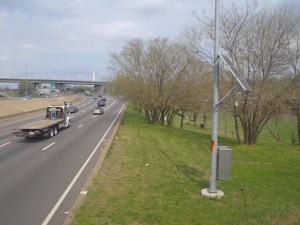 While I think the site itself is certainly worth visiting, what I really care about is a place located just above the actual burial grounds. From this vantage, you can see that less than 50 yards away from this place of contemplation is Interstate 95 in all of its glory. The cars and tractor trailers fly by on this crazy asphalt slingshot that shoots cars straight through the heart of my city. Like all highways, it’s a totally anonymous no man’s land where you don’t walk, you don’t slow down, and you don’t typically notice the historic burial grounds nearby. When you’re on a highway like this, you don’t care much for where you are because you’re more focussed on where you’re going. That’s essentially the nature of movement.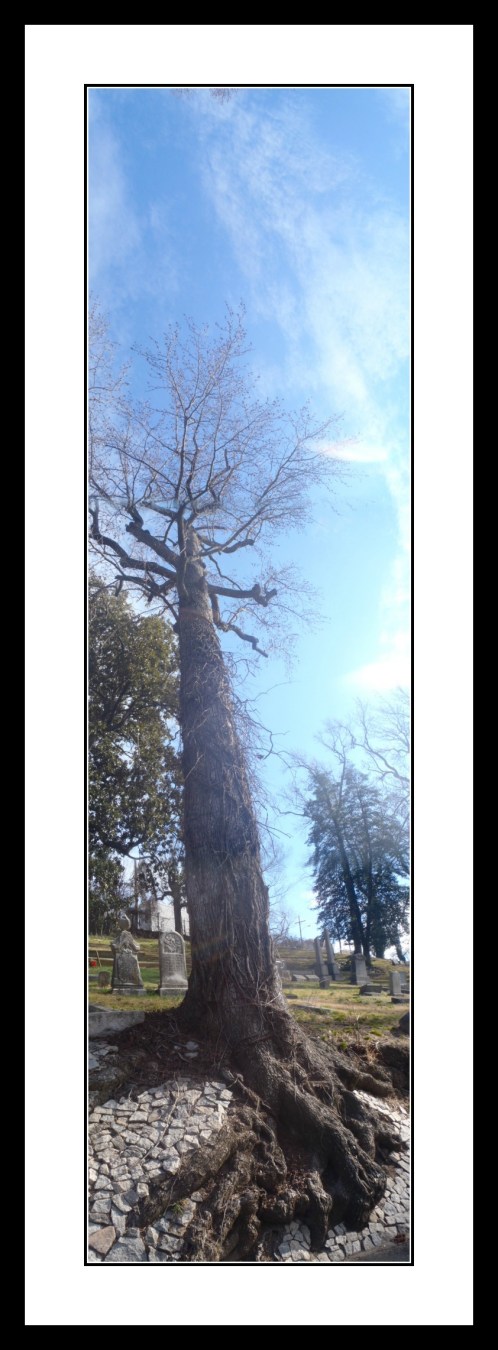
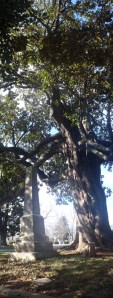 There is something so basic and yet remarkable about the time and care that was taken in the planning and development of Hollywood Cemetery. It’s no wonder Richmond’s aristocracy used to picnic on the hills of Hollywood overlooking the James River. They escaped the smoke of the city, tidied up their family plot, and caught a cool breeze on warm summer days. Since the cemetery was first planned, it has been maintained, improved, and today remains a destination in this old American city. A brick walkway was added to create “President’s Circle” where two former US presidents are buried. The cemetery stands, in part, as a testament to the longevity of power and tradition in American society.
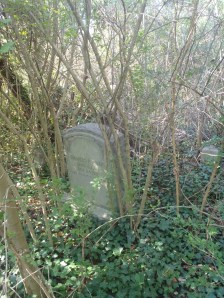 Another remarkable cemetery in Richmond, one that is not highlighted in Thadani’s epic, is Evergreen Cemetery. I visited Evergreen four days before I visited Hollywood and, as anyone would tell you, the difference is stark. Where one has improved, the other has declined. Where one is prominently placed on the hills overlooking the James, the other is beside a highway in Church Hill. Where one is a testament to power, the Other is a testament to the longevity of systemic stigmatization and shame.


 Highways and Hallowed Halls