Category Archives: Buy this Brownfield!

Vision for an urban valley in Richmond

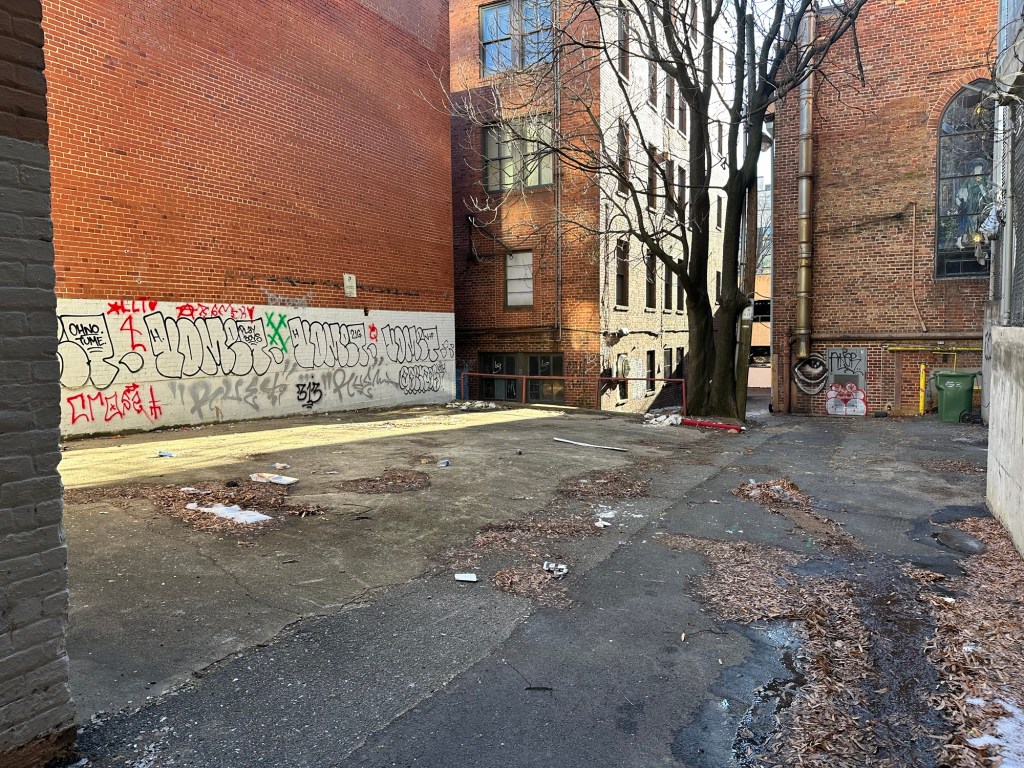
The other day while I was walking through downtown Richmond I stumbled on a small space with huge potential. It’s basically just a concrete slab, but what makes it special is that it’s located right in the middle of a city block. The concrete is connected to one building that forms an “L” around it. The area is accessible by three different alleys which all meet at the base of a somewhat beautiful, mature tree.

With some love, this could be a place to congregate just like the La Colombe near Logan Circle in D.C. The benefits of using these interior spaces is that they are quieter than the city streets and they are often cooler in the summer months because the buildings provide shade. They are cozy spaces, the diffused light is relaxing, and there is something charming about the irregular shapes. I love the surprise and delight of waking down an alley, turning a corner, and finding something you wouldn’t have expected,

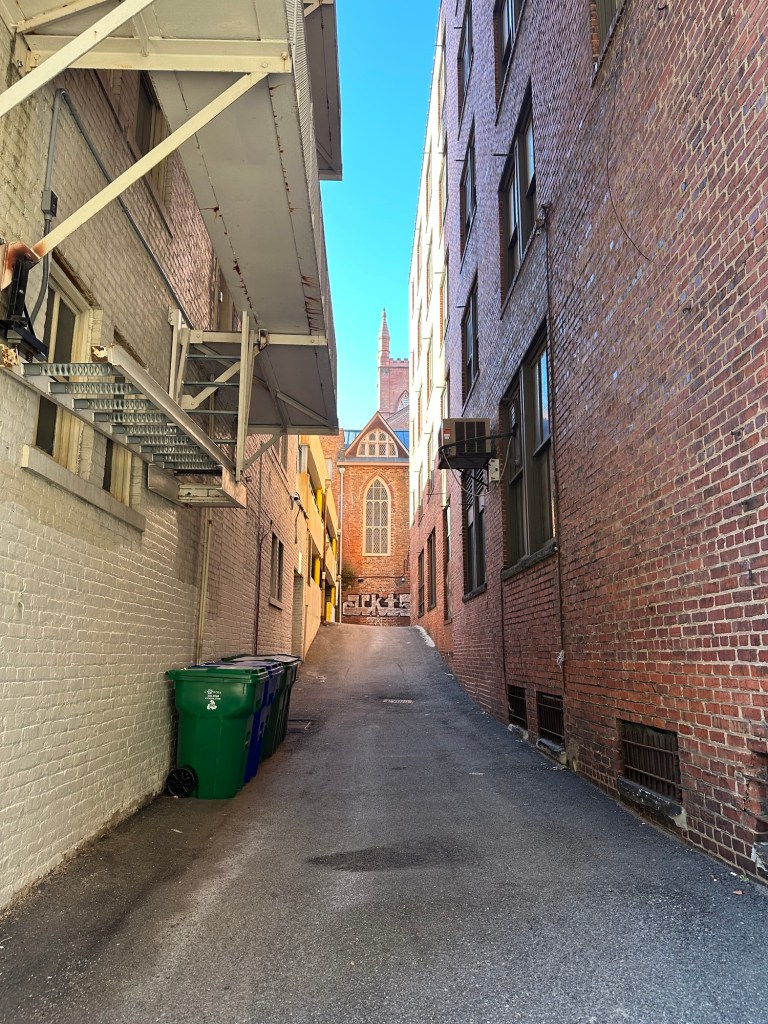
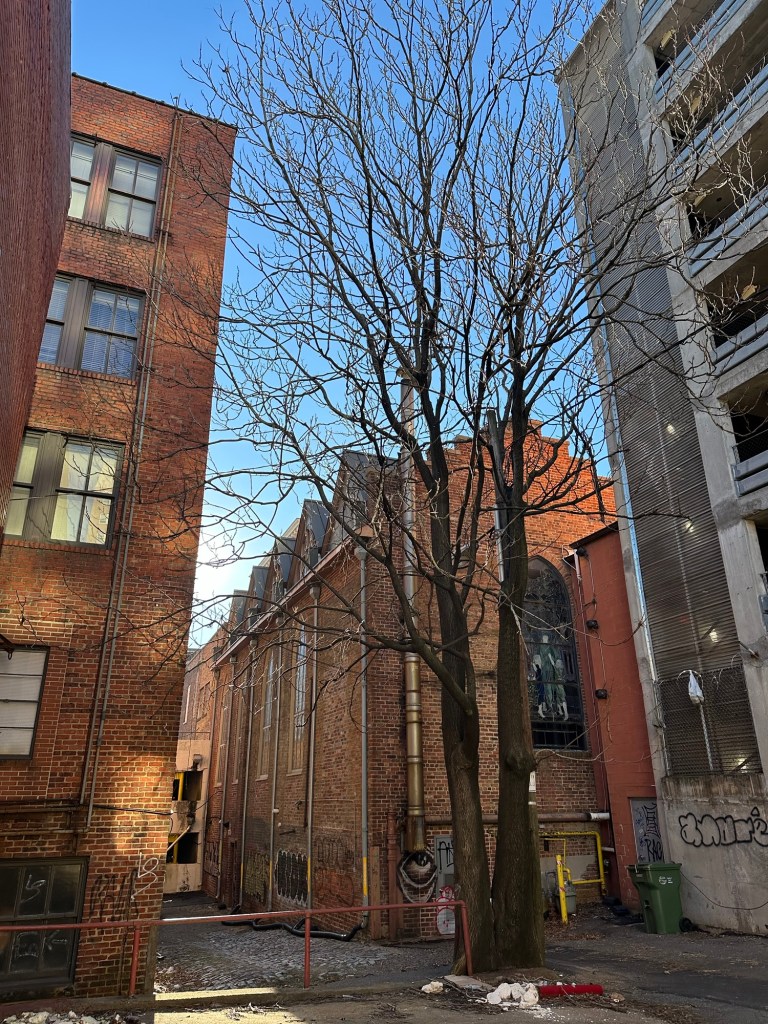
The approach that is most familiar to me (I actually worked and parked in the building to the left years ago) is below. I love the way the buildings frame the old window and steeple of Second Presbyterian.

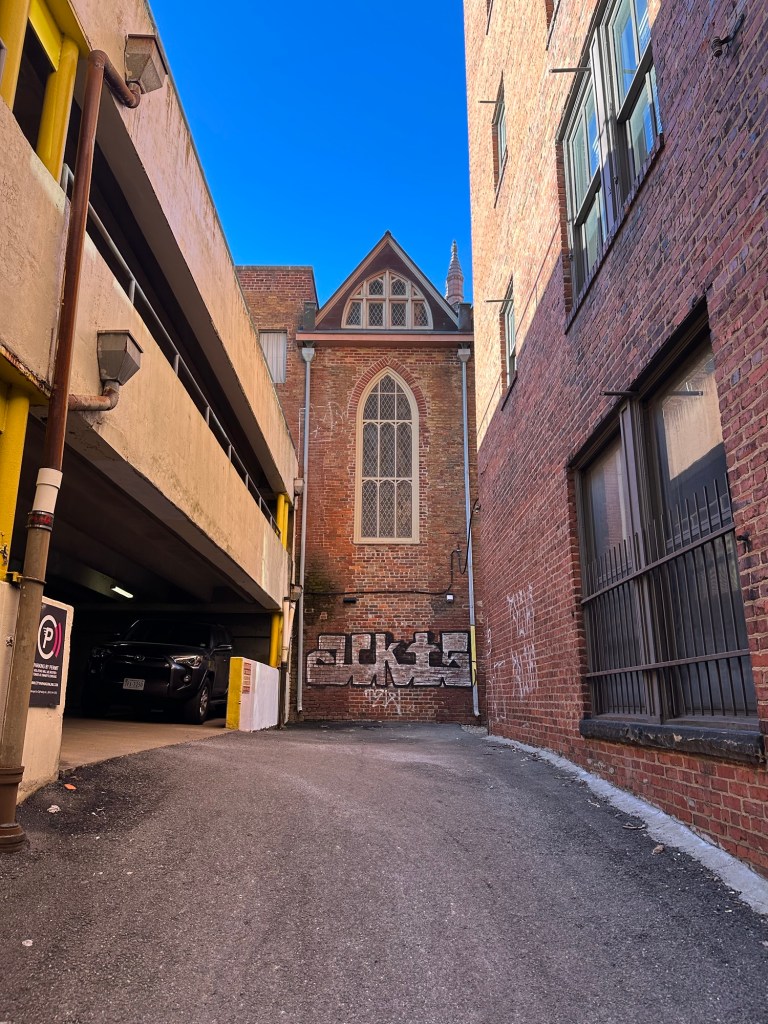
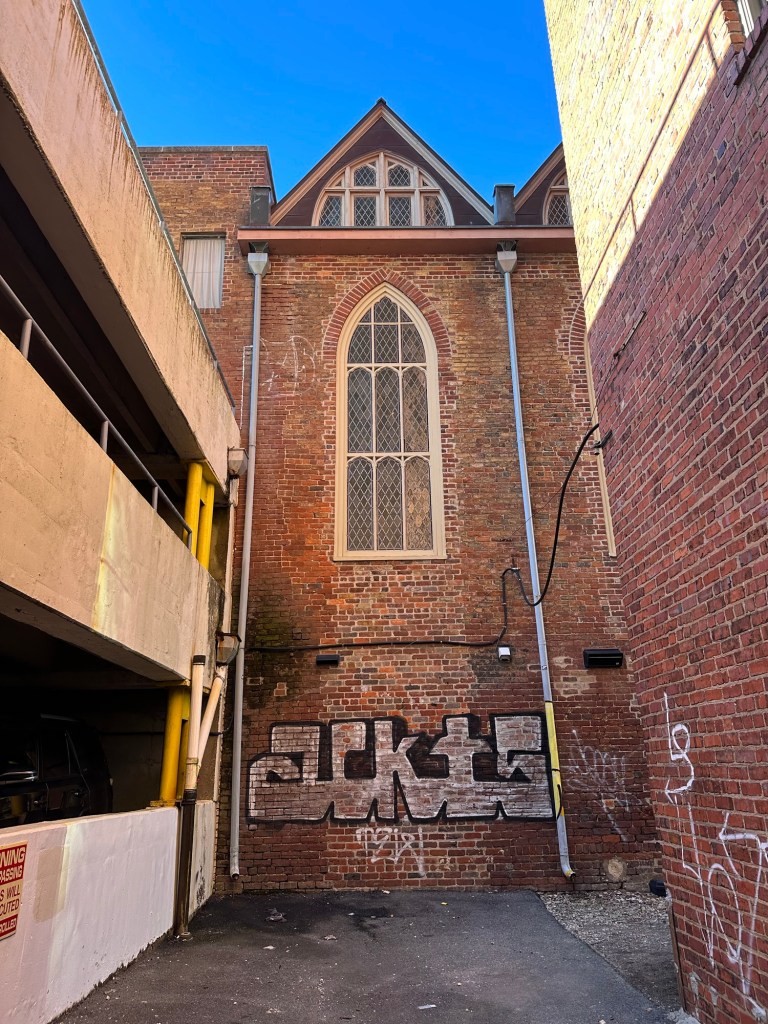
After you turn to the right, you start to get a glimpse of the destination. The area also starts to become more charming: the alley transitions to cobblestone, instead of a parking garage you have old brick and stained glass, and the tree is visible as well.

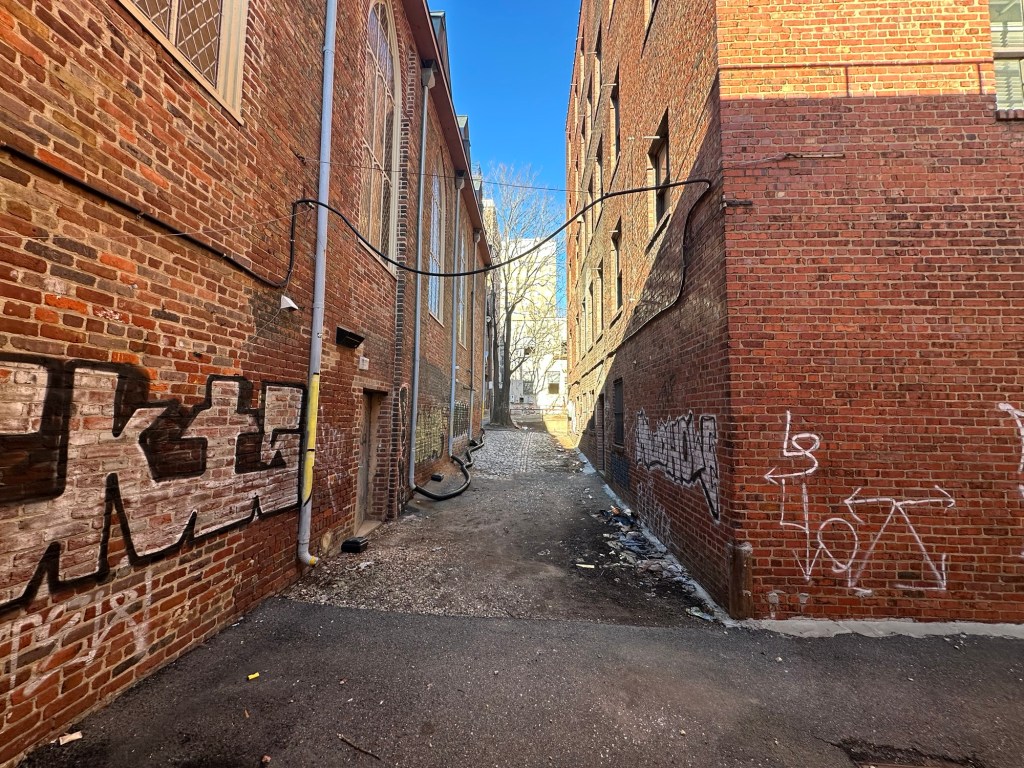
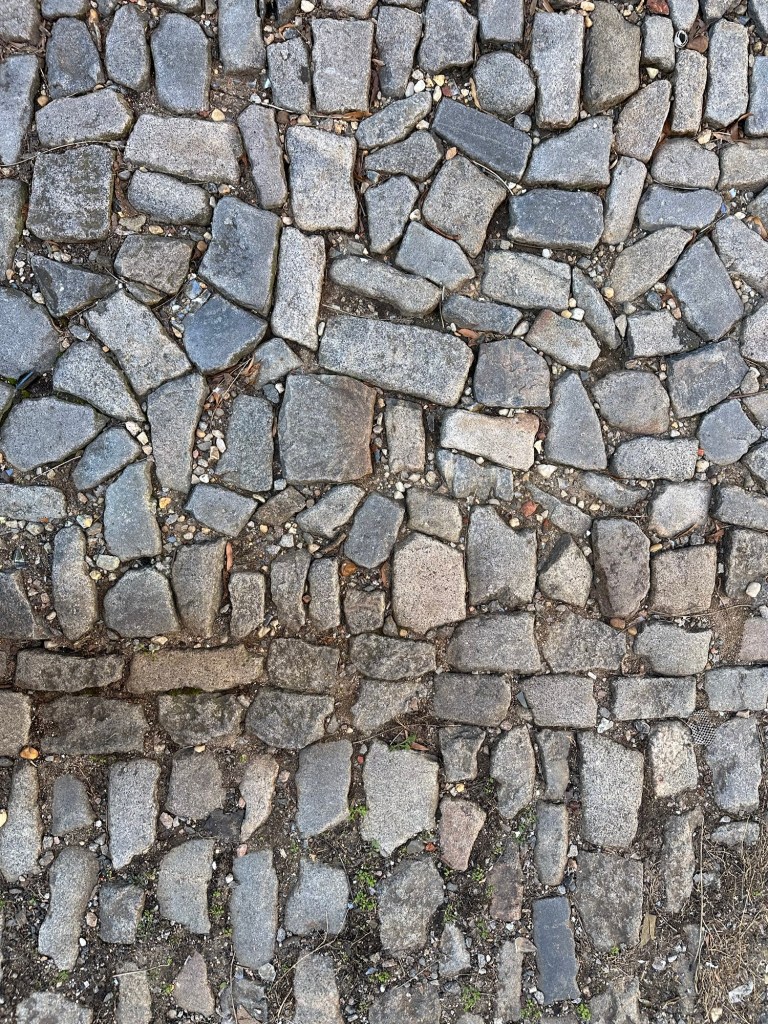
Despite being completely forgotten and unloved these granite stones are beautiful and the whole section would clean up very nicely.

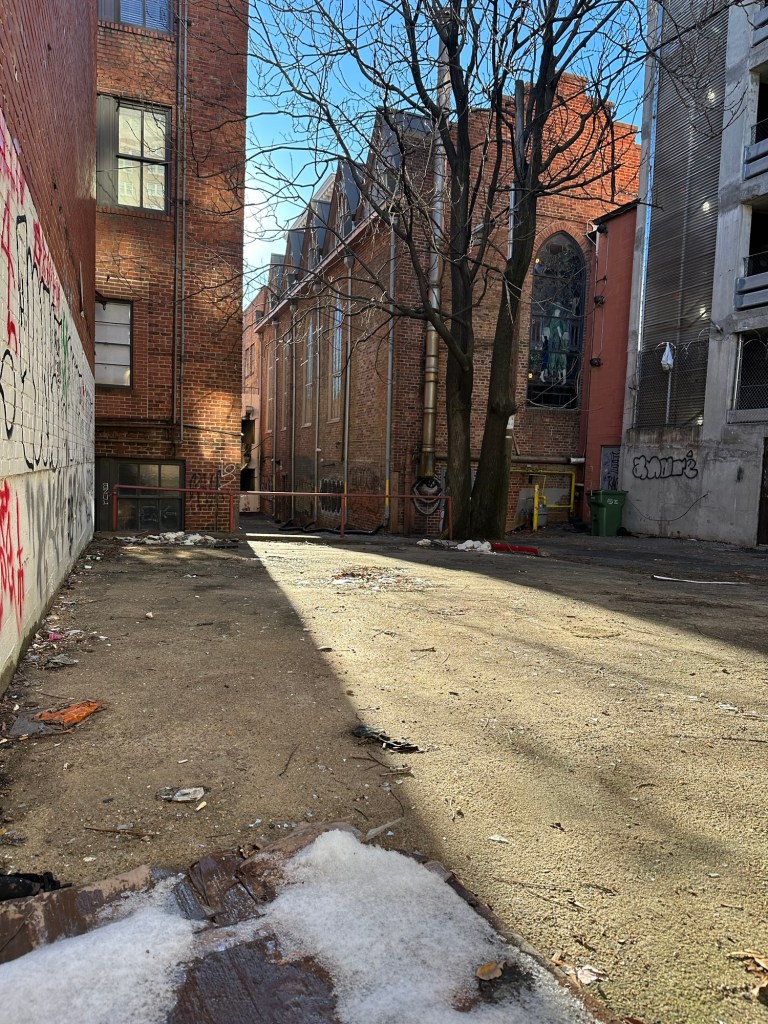
This is the view from the space that I’m interested in. I appreciate how much there is to look at even in this small space. It feels like the medieval section of a city: winding, ad hoc, dense, and built to the human scale. The tree would also provide shade in the summer and a beautiful accent.

Here are two views of the actual space.

I am so in love with this idea. I had a similar vision for a space in Tyler many years ago and still believe in the potential of this sort of retrofit to bring new life and charm to cities. Whatever zoning process that’s required should be fast-tracked. Whatever the building around this space becomes (it’s currently being renovated), this should be a cafe or similar commercial space, with bistro lights, live music, and otherwise completely transformed into a beautiful and charming refuge in the middle of downtown Richmond.

8.72 acres in East End Henrico for $180K

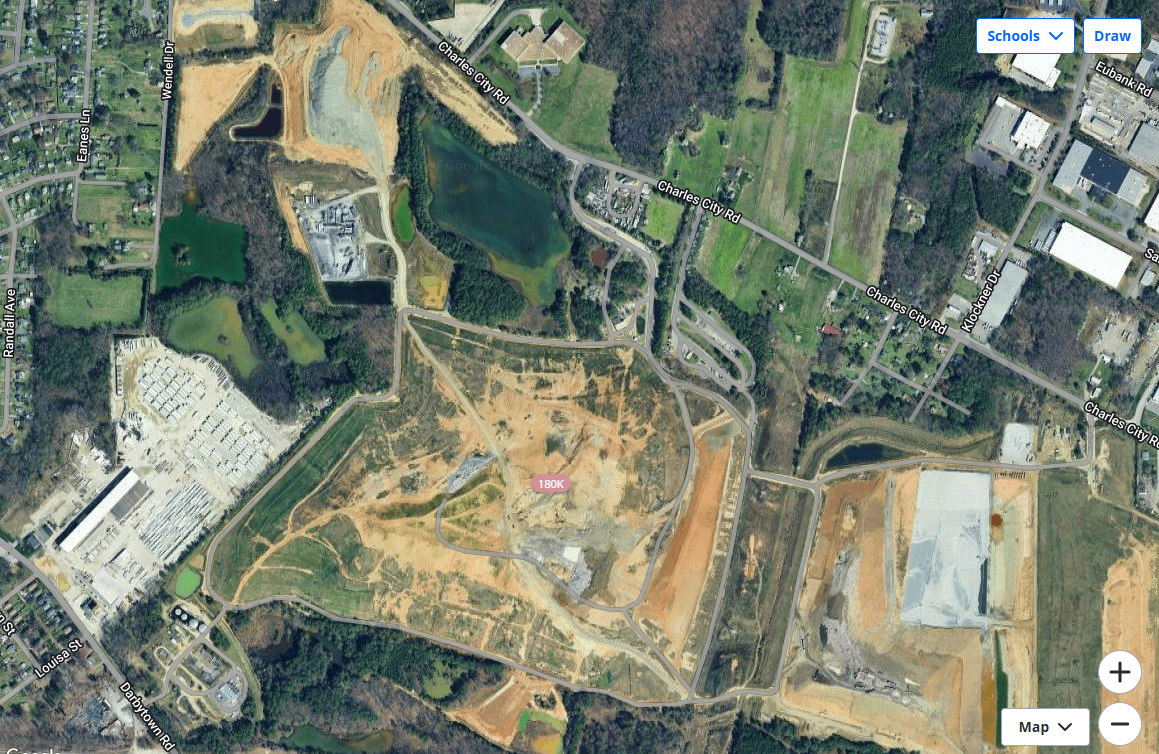
Yesterday morning I found myself dreaming about a plot of land for sale in East End Henrico County, just outside Richmond city limits. It’s 8.72 acres for $180K located very close to the center of the city and I think it would be an amazing chance to plant a pollinator meadow to restore the ecosystem and have it be managed as a park by Henrico County.

I’m imagining walking trails, giant woodland sculptures, and it might have some elevation that could be fun with a lookout tower at the top. The grounds at Glenstone would be a good inspiration. This plot of land looks like part of the East End Henrico landfill – I think the one that was shut down by Henrico County. I’m sure there are liabilities with owning a former landfill (environmental concerns, seepage, etc.), but I know it’s been done before and this could be a good chance to do it in the Richmond region.

I already emailed the Capital Region Land Conservancy, and I probably won’t go any further with the idea, but I wanted to at least post it here as a personal memory of the dream. At some point this is exactly the kind of restoration project I’d like to be a part of.

Some articles that I found along the way:

Update: I heard back from the Executive Director at CRLC and he told me that the information on Zillow was incorrect – there are actually only two acres for sale about seven miles west of the location – kind of bizarre. I still love the idea of course 🙂

The Enrollment Cliff and the Silver Wave

I recently read an article about three colleges in Virginia that are showing signs of financial trouble. Apparently the “enrollment cliff” is set to begin next year and all institutions of higher education in the US will be affected by a shrinking domestic applicant pool. Some Virginia schools like Sweet Briar College have threatened closure and others, including HBCUs such as St. Paul’s College, have ceased operations.

The article reminded me of an idea I’ve been mulling over for at least a decade: that colleges and universities could somehow incorporate retirement communities into their campus life. While the enrollment cliff approaches, the Silver Wave (or Tsunami) is already over a decade in and will increase in the years to come. By 2030, there will be nearly a billion people over the age of 65 worldwide – by that same year, older Americans will make up 21 percent of the population.

This post is more of a brain dump, but I do hope to do more research, look into case studies, and hopefully plan some field trips to consider the different aspects of an intergenerational college campus. The following are some potential positive outcomes I’ve considered over the years.

  • There are obviously incredible financial benefits to building retirement communities. Baby Boomers will need places to live and they have the wealth and benefits to afford high-quality options.
  • Retirees will have the benefit of living in a vibrant place full of enrichment opportunities including
    • Cultural events
    • Continuing education
    • Sports
    • Dining options
    • Wellness facilities
  • Retirees could elect to be buried on campus in a cemetery or columbarium, a beautiful location where they could be remembered and visited
  • Retirees could serve in a number of capacities on campus
    • Formal and informal boards for oversight
    • Advisers for student organizations
    • Mentors for students
    • Serve in the career center based on their professional experiences
    • Volunteer in the community
  • Students from many different disciplines could benefit from having older neighbors
    • Psychology students would benefit from their research being more diverse in terms of age
    • History students could practice interviews and gathering personal narratives and incorporate first hand sources, artifacts, and perspectives into their research
    • Students in the medical and allied health professions would benefit from practical experience volunteering with community members that have health needs
    • Business students could do market research to understand the needs and desires of a growing consumer population
    • Philosophy students could consider the meaning of life with people who are near the end of it
    • Biology students could study their bodies after death to learn about degenerative diseases
  • Colleges and universities could bring a new and innovative option to the market
    • With a commitment to diversity and inclusion these communities could be safe spaces for individuals at the end of life
    • With their beautiful and walkable campuses, colleges would be the ideal setting for active, enriching retirement life
    • With their endowments, colleges could invest in all sorts of solutions to improve quality of life for residents in ways that aren’t available to existing retirement communities
  • There is enough demand for retirement communities and the associated labor that institutions could even transition into “work college” models like Berea, Warren Wilson, and others to reduce or remove the need for tuition

While writing this post I learned for the first time that there is a project underway to “reimagine” the empty campus of St. Paul’s College which seems exciting. A non-profit, SPC4LIFE, is organizing to purchase and reopen the college in some capacity and their mission, “creating an equitable, family-based academic environment,” seems to align beautifully with a multi-generational campus design.

Ever since St. Paul’s College closed I’ve been imagining it as the perfect location to try something like this. It’s only an hour outside Richmond and only a little farther from Durham which seems like a good location – inexpensive and accessible. One of my favorite aspects of the college campus is how integrated it is with the town of Lawrenceville, a historic and walkable area with amenities for residents to enjoy. A lot of the town appears to have been demolished, but there might still be enough of a historic core to inspire rezoning if needed and future dense, mixed-use developments.

I am definitely going to follow along with their progress and I am going to plan a visit some day to see the town, the campus, and imagine what it could all look like with some vision and a lot of work.

Vision for Detroit, 1807

There was a time when Detroit was in worse shape than today. In 1805, the entire settlement burned. There may have remained remnants of buildings and streets, but for the most part, Detroit was simply a memory.

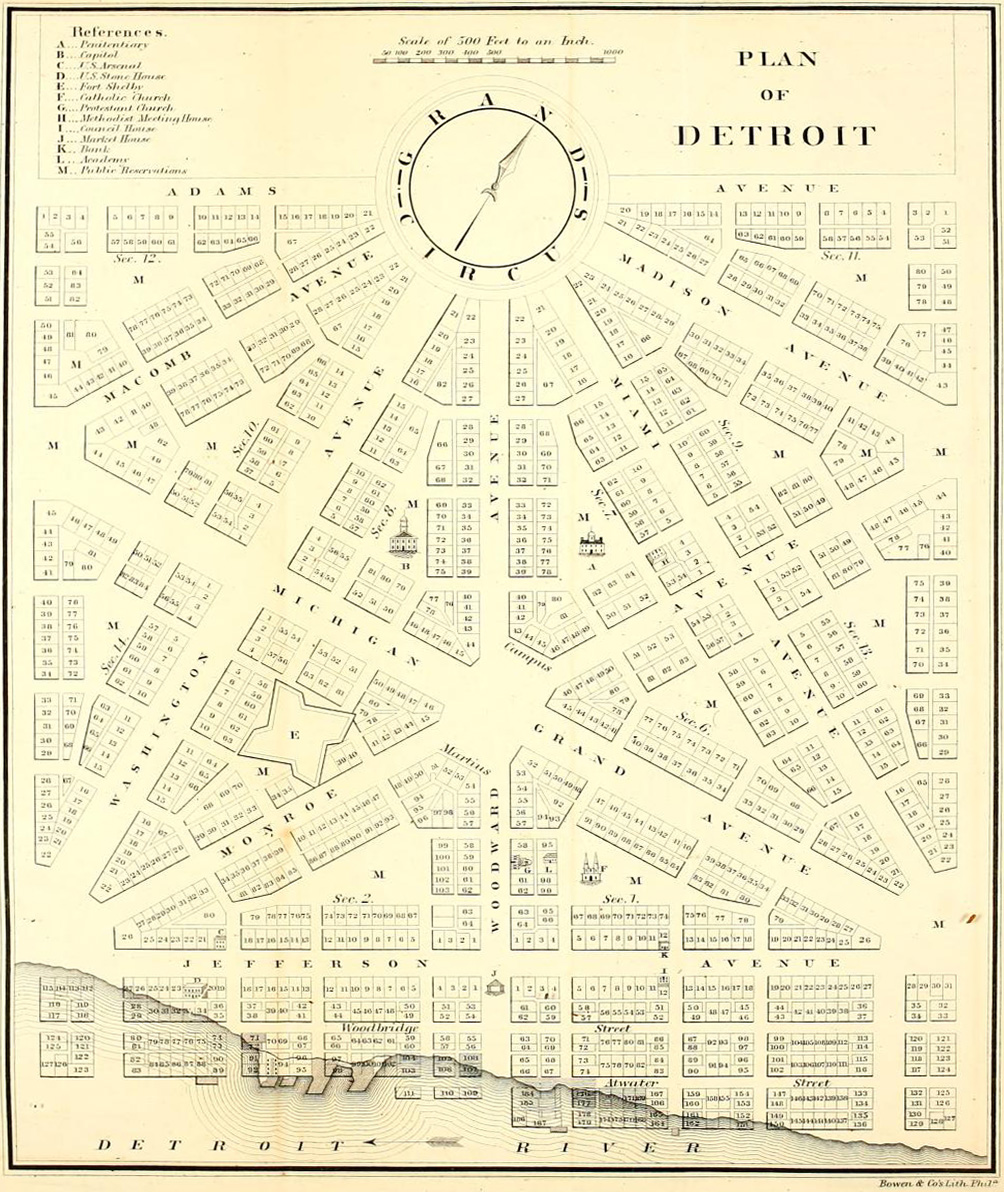
Just a few years before this fire, America invested in the idea of a completely master planned city: Washington D.C. There had been many American cities planned out of the raw earth, but none compared to the beauty and design of D.C. When Detroit burned, Augustus Woodward looked east for inspiration and found this new vision for the city called Detroit:

Old_map_1807_plan

In the two centuries that followed, this city grew to nearly 2 million residents and has now shrunk to a little more than 700,000. It’s easy to look at Detroit today and marvel at its losses. But we have to remember that fire. When Detroit lost everything, before the world knew her name, one person rose to draw this vision. He found inspiration in another great American city and drew a plan that became the backbone of an empire. It remains mostly intact to this day.

While bulldozers roam the city demolishing abandoned buildings by the 10,000s, as the earth returns to prairie as it was found over 300 years ago, residents of the city are wondering what could possibly become of this place. When I visited in 2013 I met so many people excited to tell me about the recent improvements: new jobs, new businesses, arts and culture. A few months later, the city declared bankruptcy and Kevin Orr took control of the city’s fate.

I’ll be going back to Detroit this summer and I can’t wait to see what has happened in a year: to walk around and experience it for myself. There’s so much to learn in that place: inspiration, caution, fuel for my endless curiosity, and context for the situation in Richmond and other American cities.

Until then, I’ll be wondering how a Shinola watch can cost $950 while this house was recently listed for $100. Until then.

The Wayne County Government Building

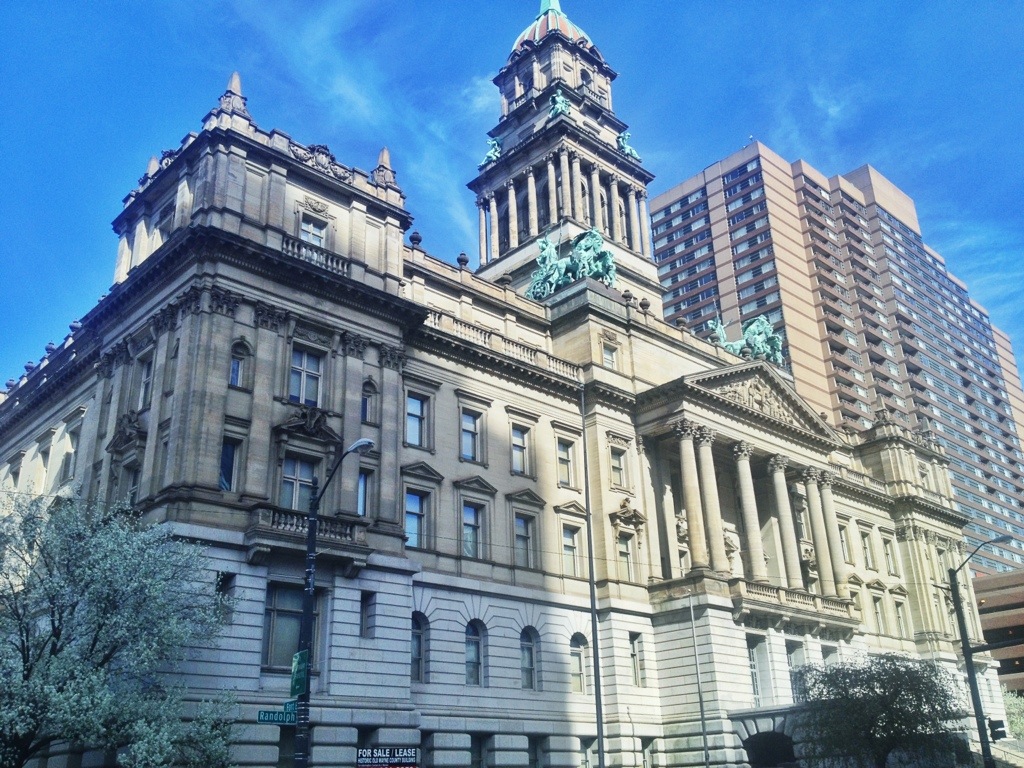
Believe it or not, this building is for sale:

20130504-232144.jpg


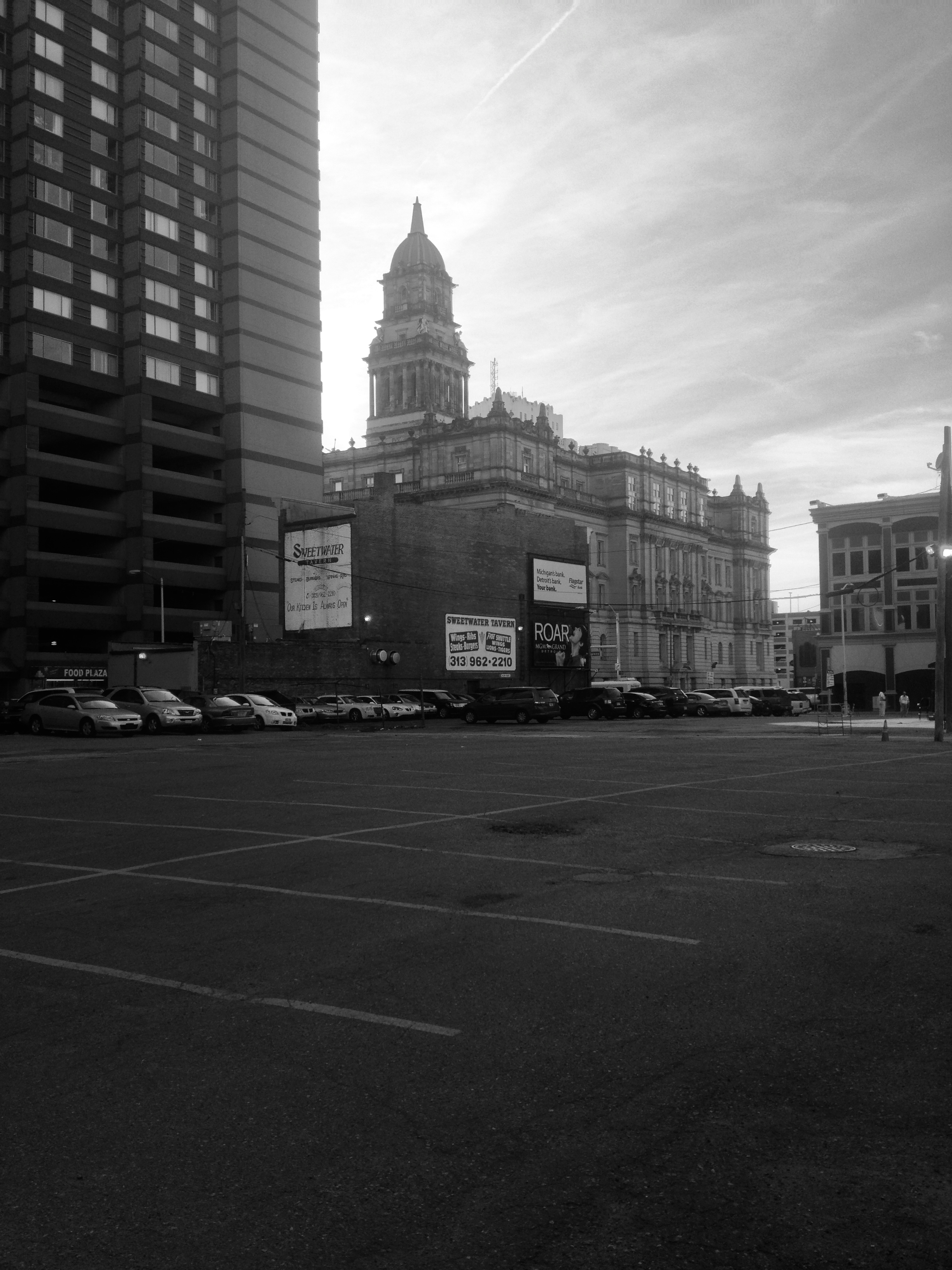
Wayne County Courthouse from the back

If I were Bill Gates, I’d make this my second home.


Descent

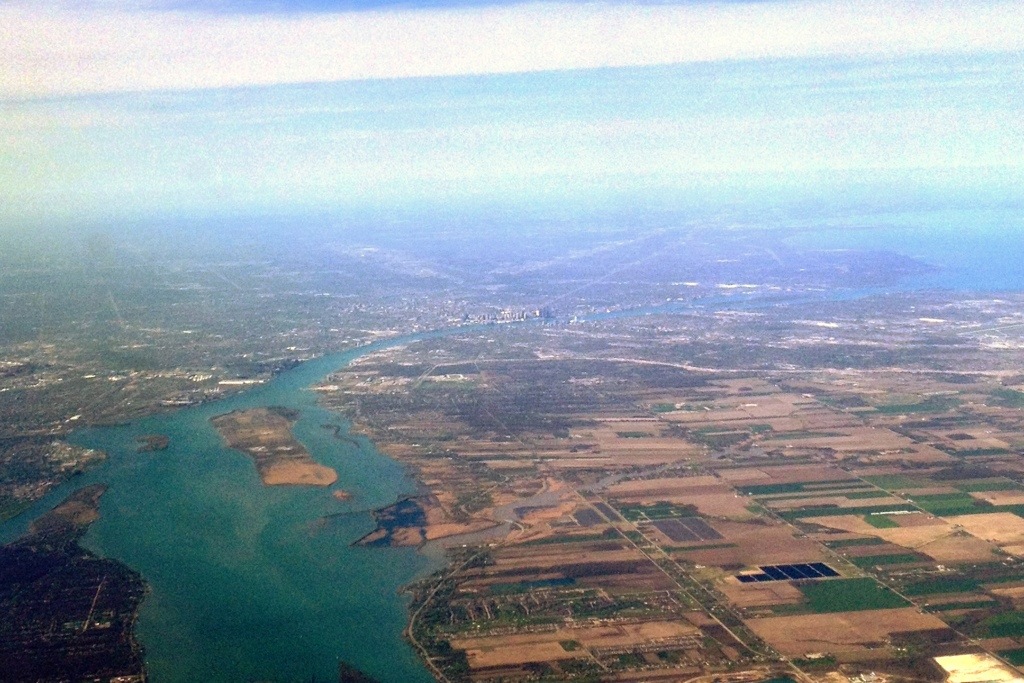
As I descended into Detroit, I realized I’d lucked out with my window seat. As we flew west, I looked north to this view of the city of Detroit and nearby Windsor:

20130502-171707.jpg

When I looked out the window to take this picture, I put down my book, Detroit: A Biography by Scott Martelle. I had literally just finished the astounding story of alcohol being smuggled across this river during Prohibition. Martelle writes:

“…providentially it must have seemed, wartime prohibition laws across the river in Canada ended on January 1, 1920, a little more than two weeks before the American booze spigot was officially shut off” (Martelle, 104).

Powerful forces across this area of America looked to Detroit and the potential for illicit trade just across the Detroit River. There is no estimate for the extent of this underground empire, but both sides of the river saw a new market for rapid growth. And then I read about how this market, artificially created by a constitutional amendment, began to change the lives of locals.

Martelle writes,

“The smuggling business was so good that Canadian farmers gave up spring planting in favor of rum-running, letting their fields on the south side of the river lie fallow as they moved booze across the river in small launches.”

Everything changed in two weeks for the liquor export business in Windsor and the traditional way of life was left for new enterprise. And then I thought, this whole city has become like a fallow field: left for new opportunities and markets.

Detroit was planted, the city was carefully nourished and developed, and then it was left with no regard for heritage or tradition. The money ran dry (or ran away) and the people left with it. I guess, as much as you love a place, you have to feed yourself and your family. Even if you had a job you might have feared for your life. Detroit became a loser, a bad bet, and an unstable place to live:

“In March 2011, the US Census reported that the population of Detroit…had dropped to 714,000 people, down by a quarter-million since 2000 and by more than 1.1 million people from its peak of 2.8 million residents in 1950…” (Martelle, XII).

As Windsor plodded along at a casual, Canadian pace, Detroit rose to global fame and fell to national shame.

Today, people are overcoming the stigma that descended upon Detroit all those years ago and realizing there is still much to love. I’m amazed by the beauty and drama of the buildings and the potential of the space around them. And I’m not just squinting my eyes and using my imagination.

I don’t know what’s next for Detroit, but I’m glad to be here to see it unfold. The descent has been devastating and has left a shell of a place. I don’t know what Detroit can become without heavy industry, but creative citizens here are working to figure it out.

I’m just a tourist inspired by a story.

A is for Agricultural Urbanism

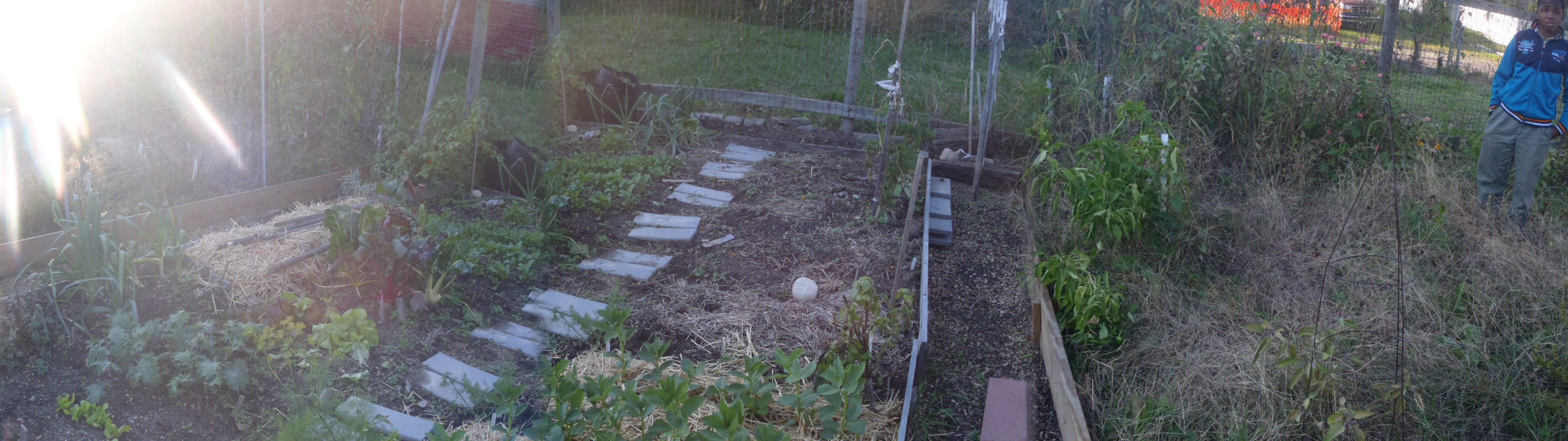
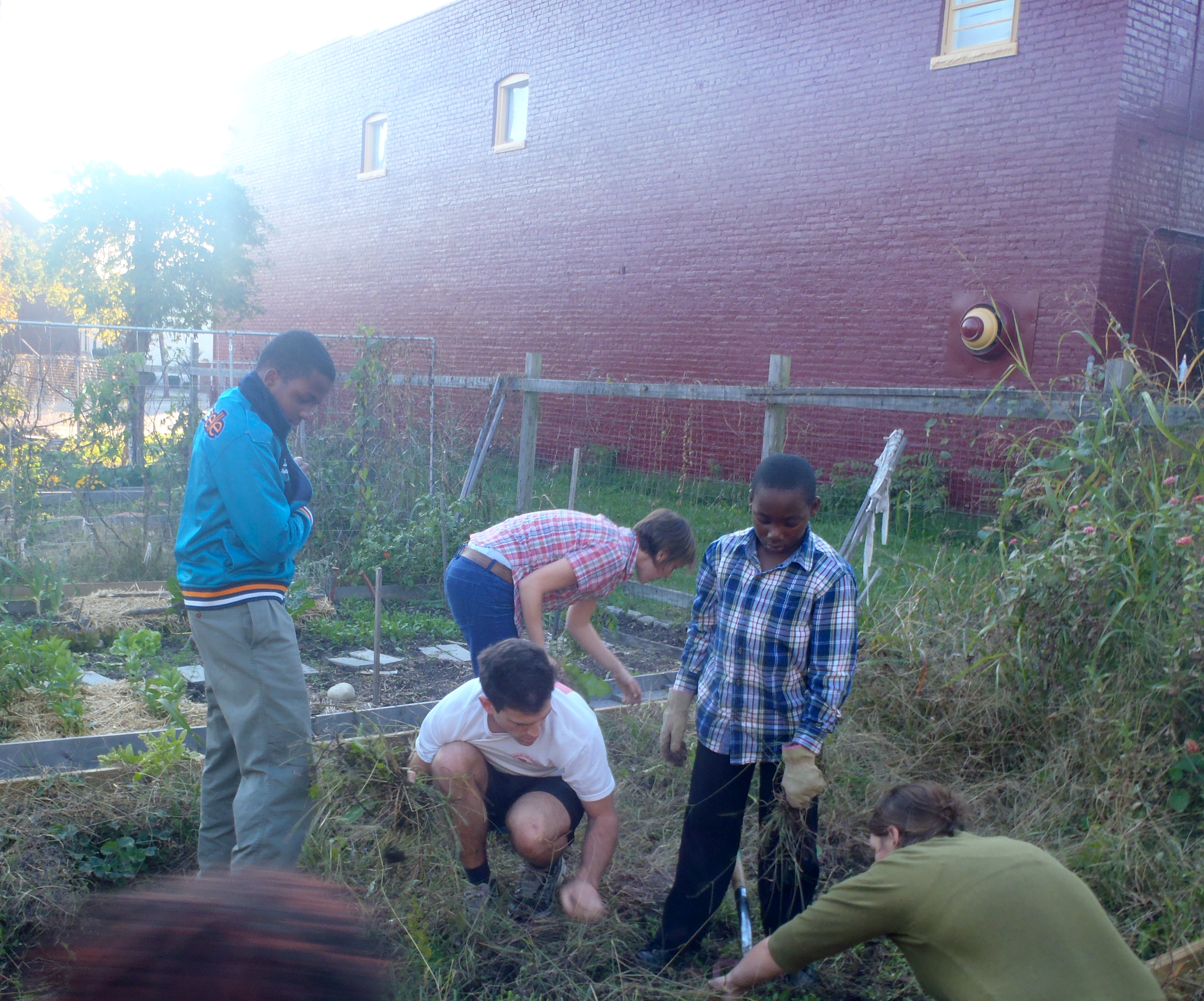
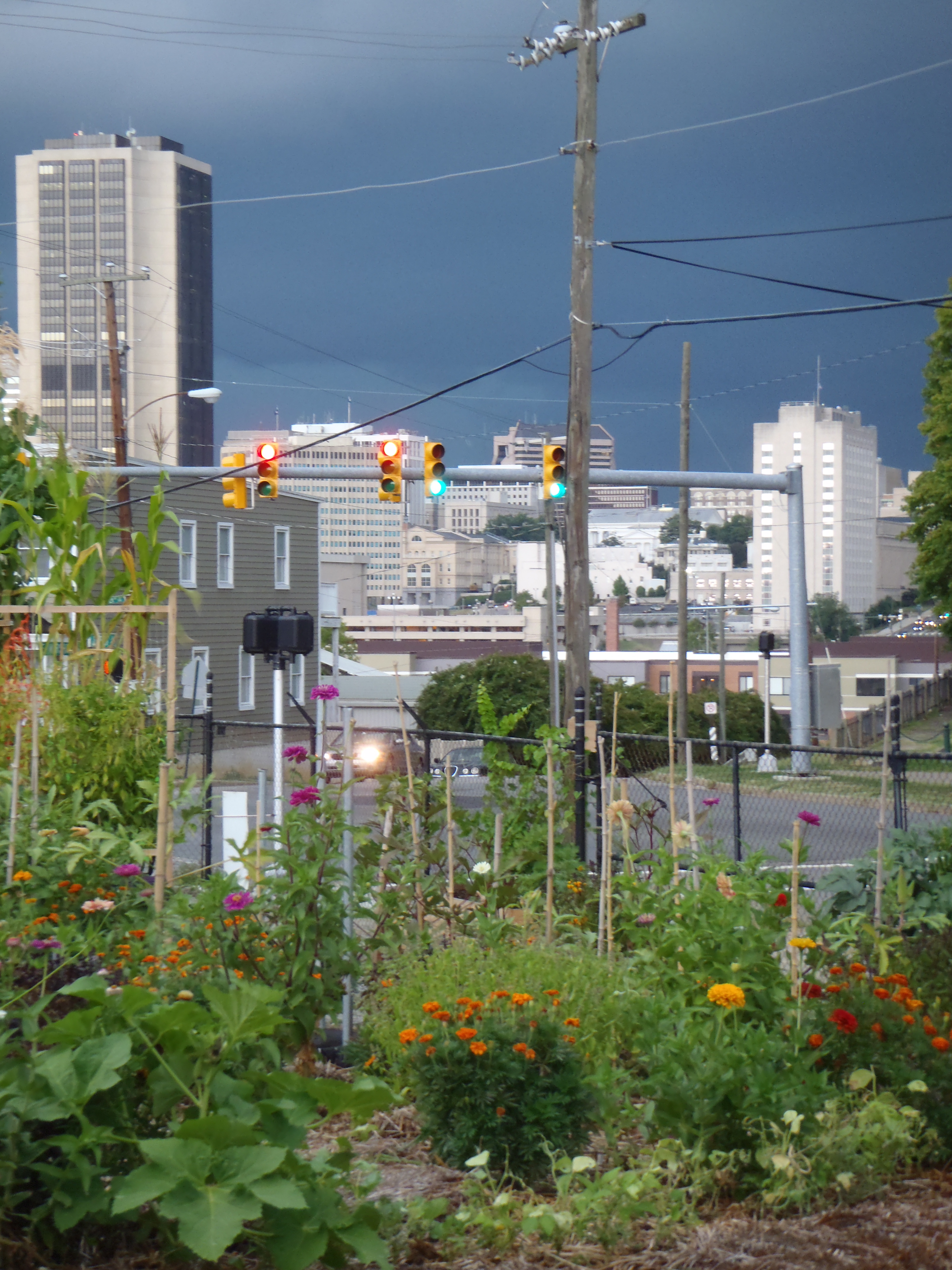
Tricycle Gardens is a local organization that has taken to transforming parking lots and empty space into beautiful, collaborative, and interactive green space. Dhiru Thadani would describe their work as specifically: Community Gardens, Allotment Gardens, and Container Gardens. I usually describe them as fun for everyone. Here are some examples:

This is the first post in my, “Cataloguing Richmond,” series saved in “RVA.”

New Term: Grand Obsolescence

The term is usually “planned obsolescence,” but the word “planned” doesn’t exactly apply to what our cities look like today. So Grand Obsolescence is the term I guess I’ll to describe the spaces in our cities that have beed deemed worthless and discarded. Just like your iPhone 3 when the new one came out.

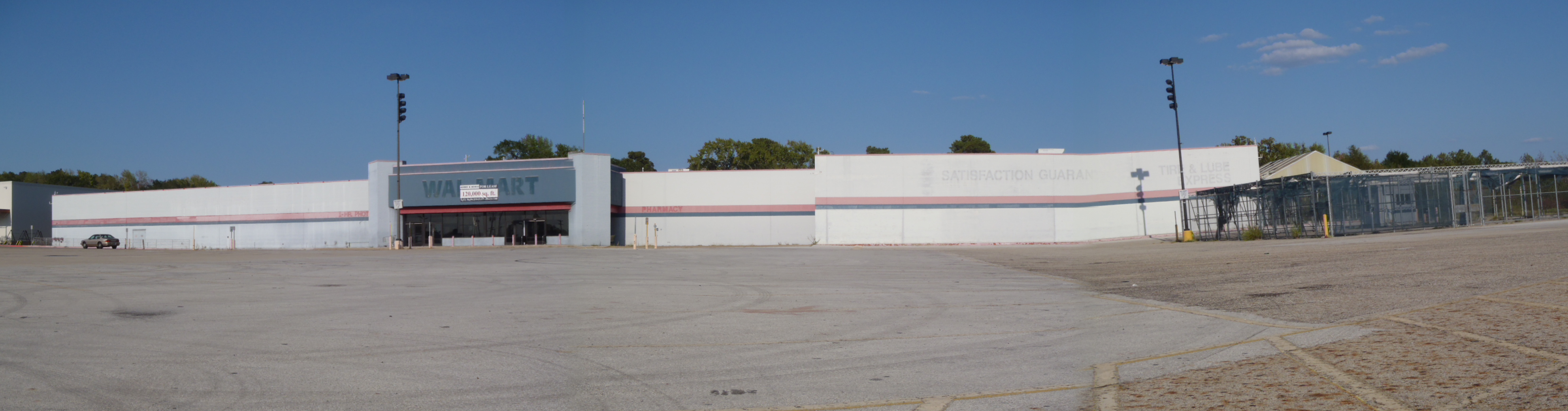
A Walmart was built on a highway in Tyler and surrounded by acres of asphalt. Then, Walmart built a supercenter right down the road and left this building to anyone that wants to spend the money to retrofit a warehouse. Thanks Walmart! The parking lot is now (obviously) underperforming asphalt and the building is vacant. The reality is: multi-nationals don’t have any concern for the long-term well-being of a city … they just need to make money. It’s up to the city to look out for itself and to prevent stymie process. The problem is usually a weak planning function and a city council that can only see $$$ with each new development. The result is cities that Kunstler says simply “aren’t worth caring about.” Of course, there is still plenty to care about, but the problem is that you have to drive farther to get to them. And even then … it’s still not usually impressive.

Maybe, we drive so fast we don’t notice these vacant buildings or maybe we just have low expectations. Maybe because our cities grow outward we don’t feel the need to look inward. All I know is, it ain’t pretty and we can do better.

Buy this Brownfield: Tyler Ice House

The coolest building in Tyler has trees growing in it. If you’re like me, you’ve seen it before. If you’ve lived in or visited the Salvation Army, you might have stumbled upon it. Otherwise the area is probably one big blank spot on your mental map of Tyler.
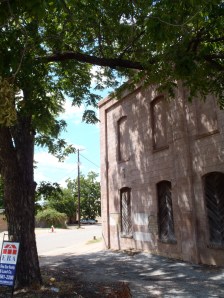
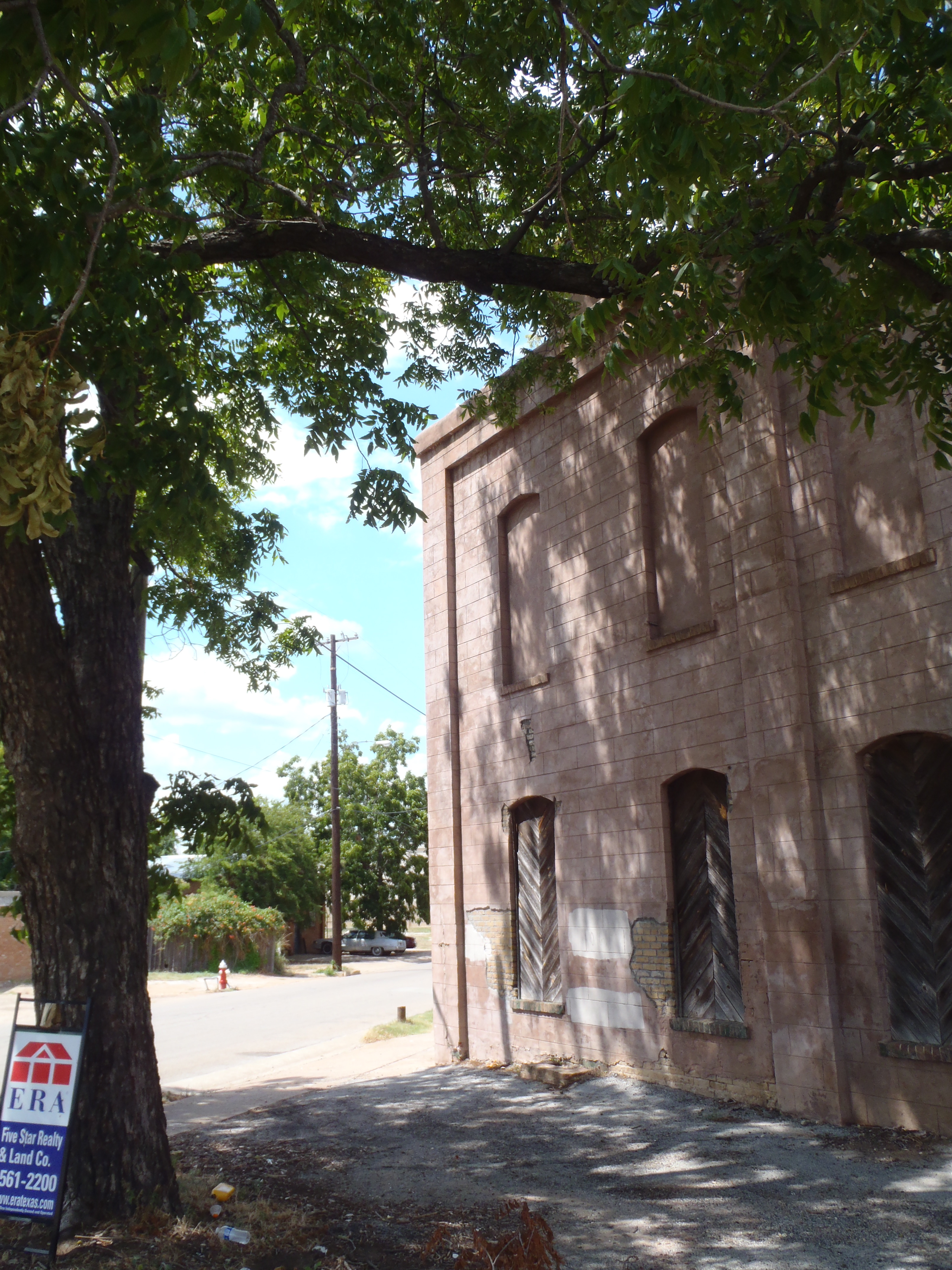
Check it out on  Google maps. I first found this building years ago while exploring North Tyler. When I found it, I couldn’t believe I was in the same city. It was one of those”WHAT IS THIS” moments that I have on occasion. From the road, the building is impossible to understand. The first think you notice is that it’s huge, old and derelict. The outside of the building is this weird cross between a Tex-Mex Restaurant stucco façade and a 1900s industrial frame. The primary door (right) is relatively ornate for an old ice house and a reminder that there was a time when people cared about details.  From what I can tell, besides the materials there is also nothing really uniform about the design. Which is perfect. Buy this brownfield. It could be literally be the coolest “whatever you want” in Tyler.

Because the space has the potential for such a wide variety of uses, I decided to choose my five favorite options. Four are long-term options and the fifth one is my “Hail Mary” option that would at least create some temporary attraction and breathe new life into the space.

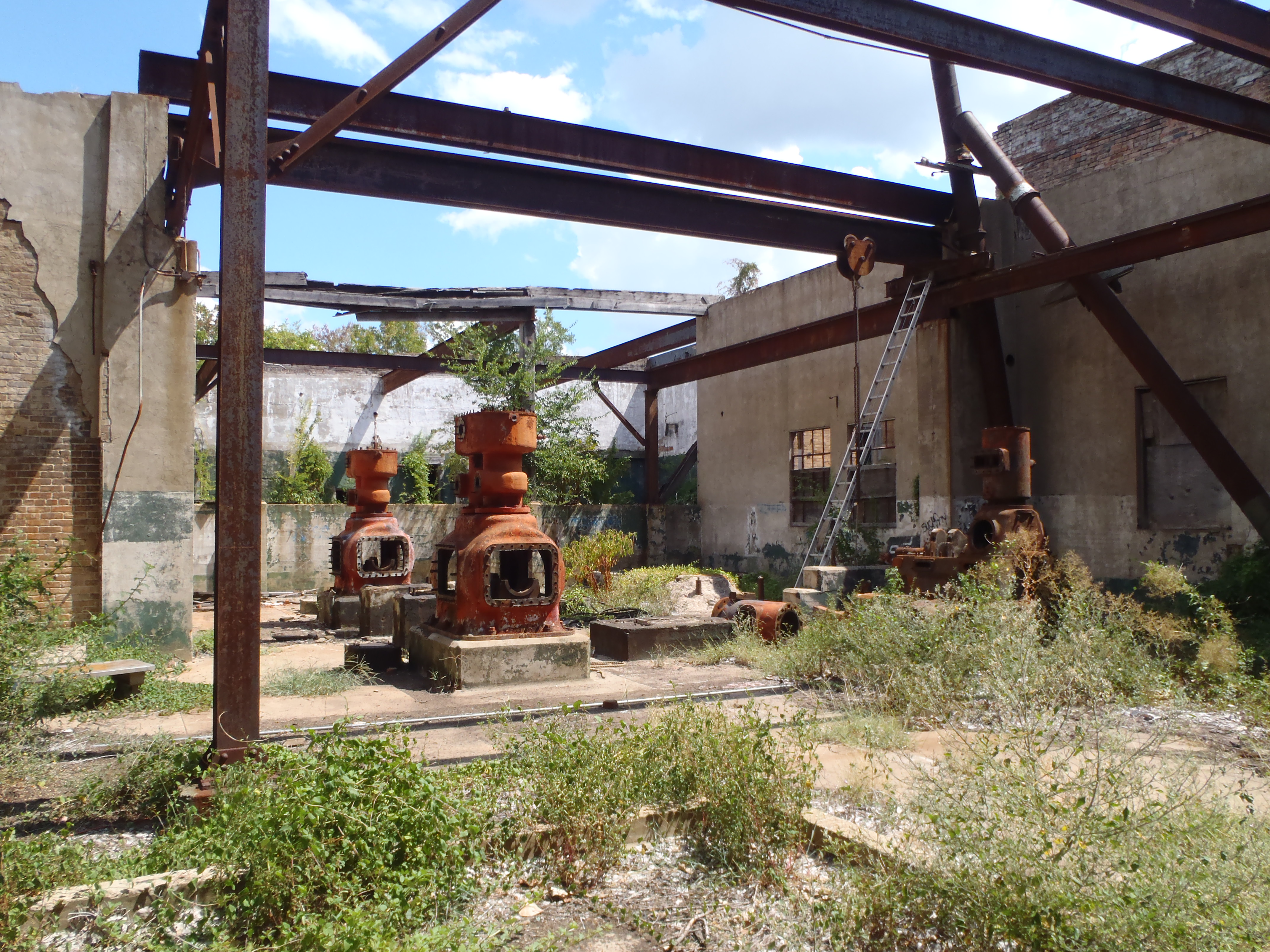
Option #1: Concert Venue. You could do this tomorrow! All you would have to do is secure the area, hang a light canopy from the walls, spray some Roundup, and get an electricity hookup. The actual venue would be housed in the cavernous great room (left). It is reminiscent of an industrial cathedral with rusting machinery, an I-beam frame, and a large floor space. Recently, I walked into the space and got that sense of wonder I get when I see something that was once great. When you first walk into the space (beware of the three dogs that chased us out … seriously), you feel a sense of grandeur that can only come from an old factory brownfield. Instead of supporting the ceiling, the old steel beams rise into the air to the sky itself. There is some leftover from the industrial era, but otherwise most of this great room has been cleared away making it a perfect place to set up chairs and blankets for a life concert under the stars.
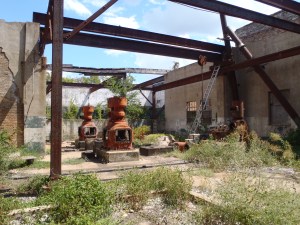
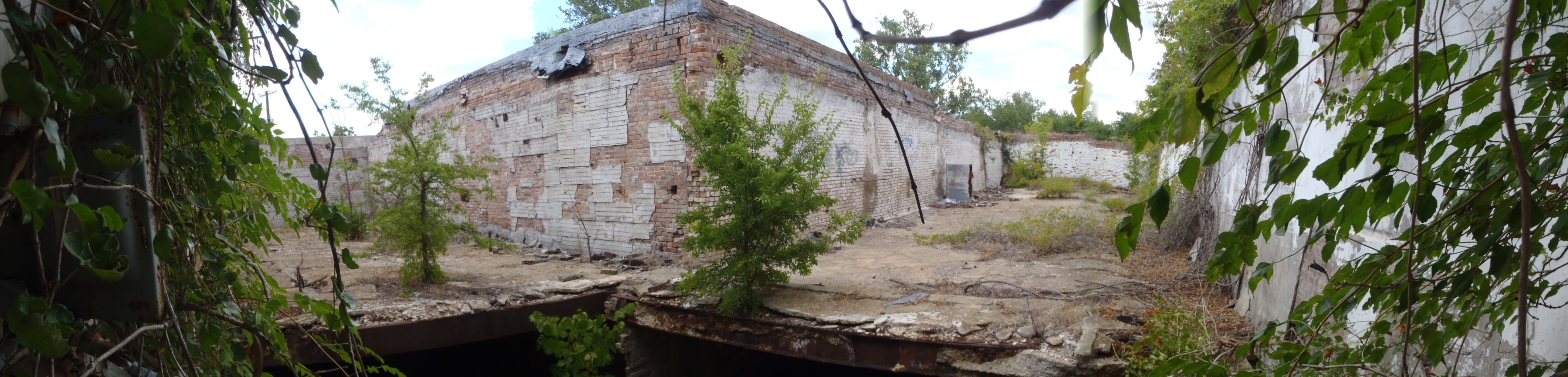
Option #2: Artist Collective and Gallery. This idea incorporates the mission of “creative placemaking” which seeks to attract creative people to improve a building or neighborhood. This plan would incorporate two parts: A retrofit of the great hall into a gallery and a renovation into the rest of the building into studios and apartments. For the great hall, imagine The Tate Modern on a significantly smaller scale. It would be industrial, expansive and equally stunning. With a glass dome spanning the distance between the walls and a canopy of lights it would be the coolest art space in Tyler. The great hall was made to showcase art. The two-story southern half of the building (pictured below) is large enough to fit 20 or so studios for local artists who desire an inspirational setting for their projects. I’ll admit this section needs a lot of work, but someone with a vision and some money could invite the right people to make it an incredible success.
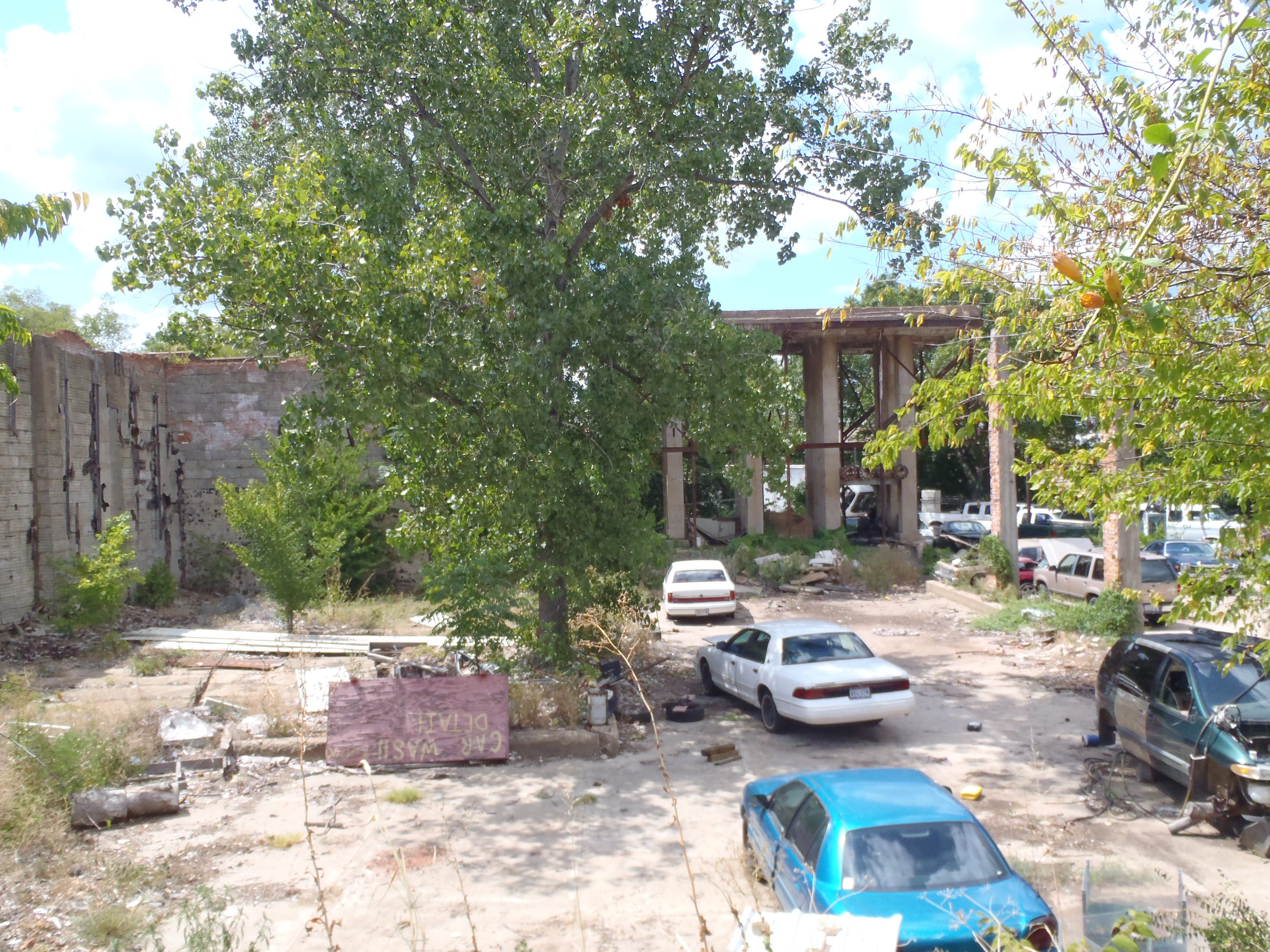
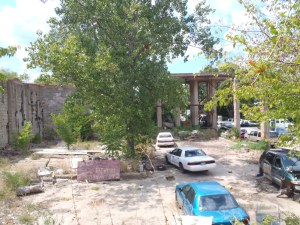
Option #3: Urban Farm and Fresh Produce Market. This project could be a particularly good fit because the entire lot includes both a large amount of land and a large building on the street. The land surrounding the building could be an excellent urban farm and garden. There’s enough room to grow crops as well as concept gardens for visitors. This vacant land  is currently being used for auto repair, but I don’t think there much physical infrastructure associated with the shop. The owner of the business (and the dogs) would probably be able to find another vacant lot in N. Tyler … I can think of a few. If the land were converted into a farm and garden, the building itself would be converted into greenhouses, market space and apartments for the farming community. In contrast to the current farmer’s markets in Tyler, this would be a permanent space completely devoted to the growing, sharing, and selling of good food. In addition, the location of this farm would be strategic in connecting the surrounding neighborhoods with fresh vegetables and weekly workshops on nutrition, agriculture and entrepreneurship.
Option #4: Offices for an Urban Development Firm. Usually, it takes a very creative and ambitious firm with a lot of money and confidence to retrofit something like this building. As such, it would be the perfect flagship for a pioneering architectural firm in Tyler. Is there one? I’m not sure, but if there is one I would consider applying for their first entry-level job in this new space. As a flagship, it would highlight the firms ability to critically analyze the historical significance and current condition of a space and produce successful adaptive reuse solutions. There are already people doing this sort or work in Tyler, but I think they need to join forces, gather investors and convert this building. With representatives from real estate, landscape architecture, architecture, engineering and planning, this new firm could be a regional presence.

Hail Mary Option: Host a Regional Mural Conference! My last-ditch effort to start using this space is simply this: Invite artists from all over Tyler and East Texas to come for a weekend of live music, street food and live mural paintings on the property. What is now old and grey could find new life with creative people and for a moment everyone would catch a glimpse of the buildings full potential.

Check out my other Tyler projects at my Tyler, TX page!

p.s. I’ve heard the building is overpriced, but if you’re up for a challenge call Five-Star Reality at 903-561-2200. I’m sure they’d be happy to show you around.