
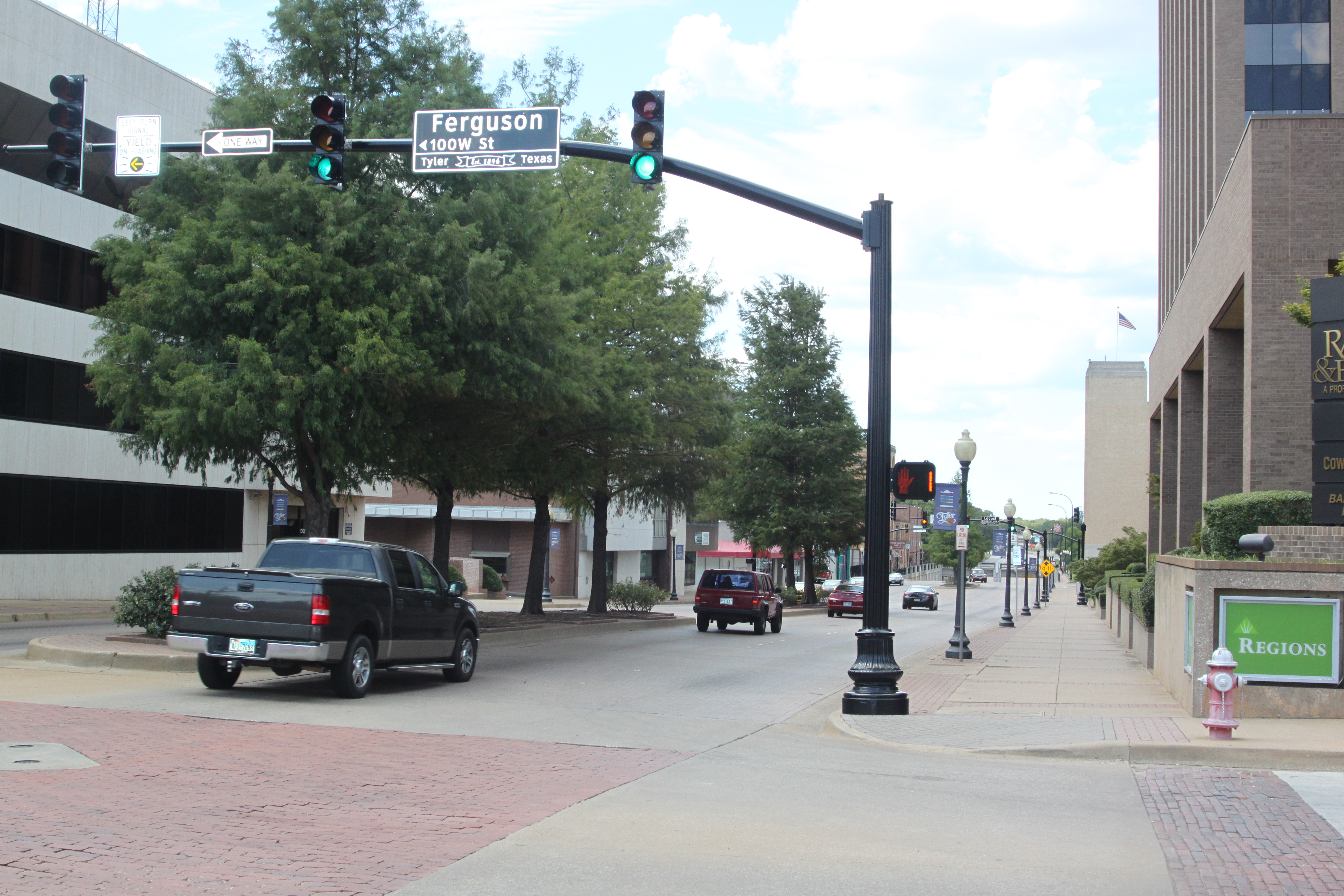
 If Jane Jacobs is famous for describing “the sidewalk ballet” outside her window in Greenwich Village, I would like to be the first to say Tyler is in a “sidewalk intermission.” There was a time when our downtown was full of people “dancing” around each other to get to the stores and offices, but I believe we are now experiencing the intermission that happens before a renaissance. Rather than hold on with nostalgia to a proud past, we have to look to the future and imagine how downtown will once again be great in a completely new way.
But when did we begin to neglect our downtown? Petula Clark’s famous ballad, “Downtown,” offers some insight into the process. “When you’re alone and life is making you lonely,” she sings, “you can always go downtown” … “everything’s waiting for you, downtown.” This song is such a incredible artifact of the 60s zeitgeist and a common reference point for urban historians. The paradigm shift is that in the twentieth century (many say after WWII), the dense urban spaces in America became places to visit rather than places to inhabit and as a result they became neither. The problem is that downtown will not always be “waiting for you” if there are not people living there and sustaining it while you’re gone. Like many cities with oil and money, Tyler followed the trend of outward growth and the commuter lifestyle. Fueled by our cheap, local oil we basically packed our cars and left downtown in the dust.
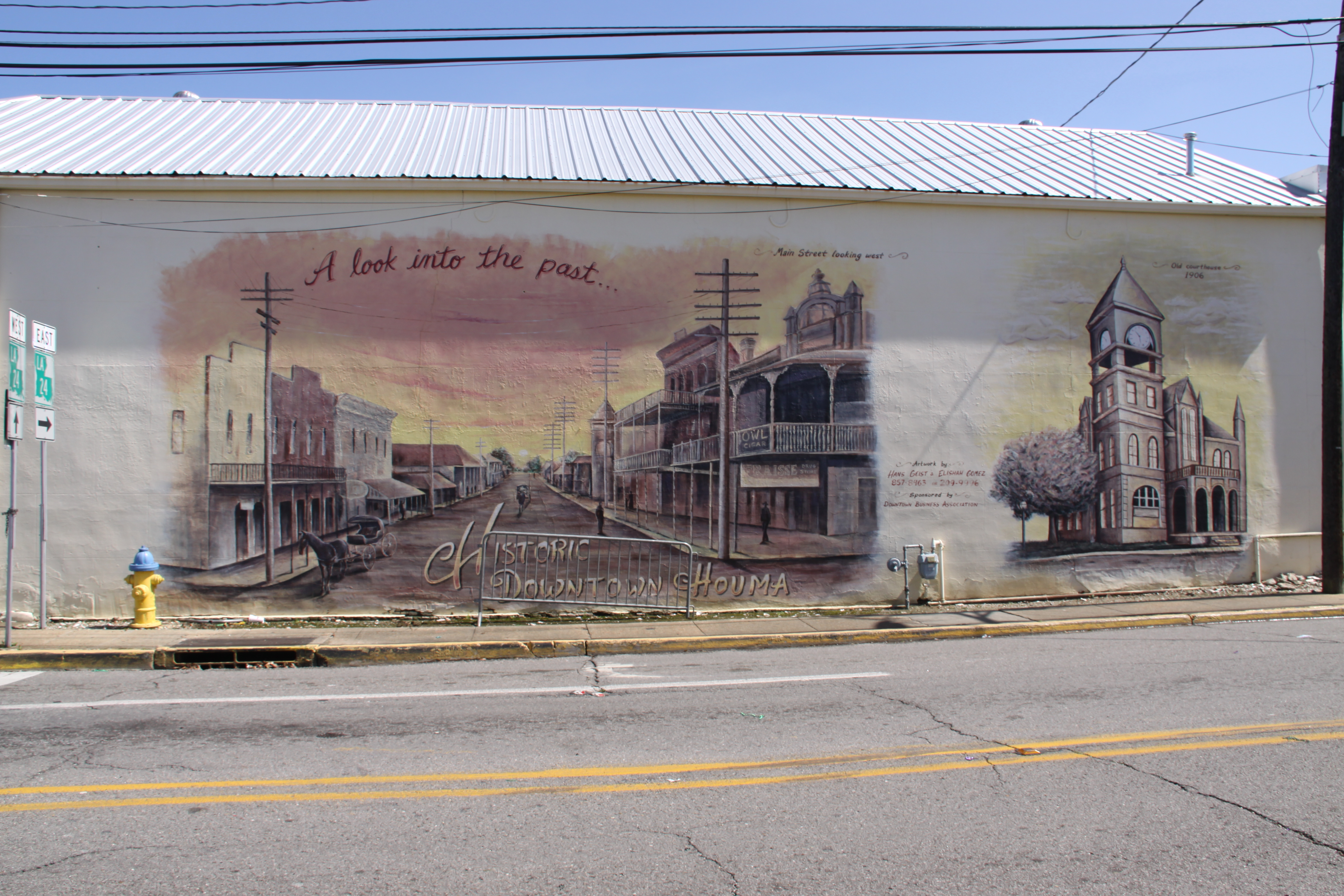
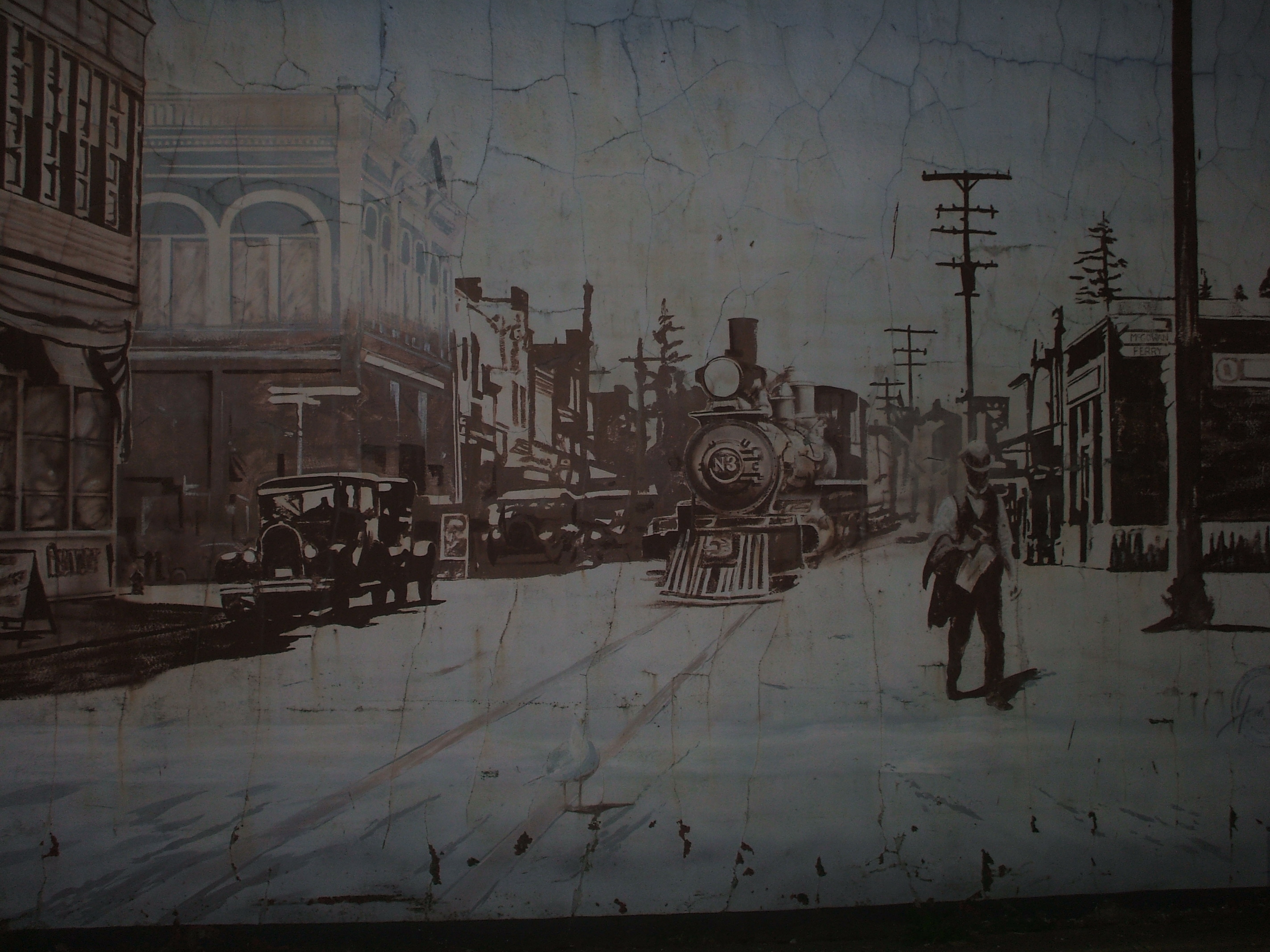
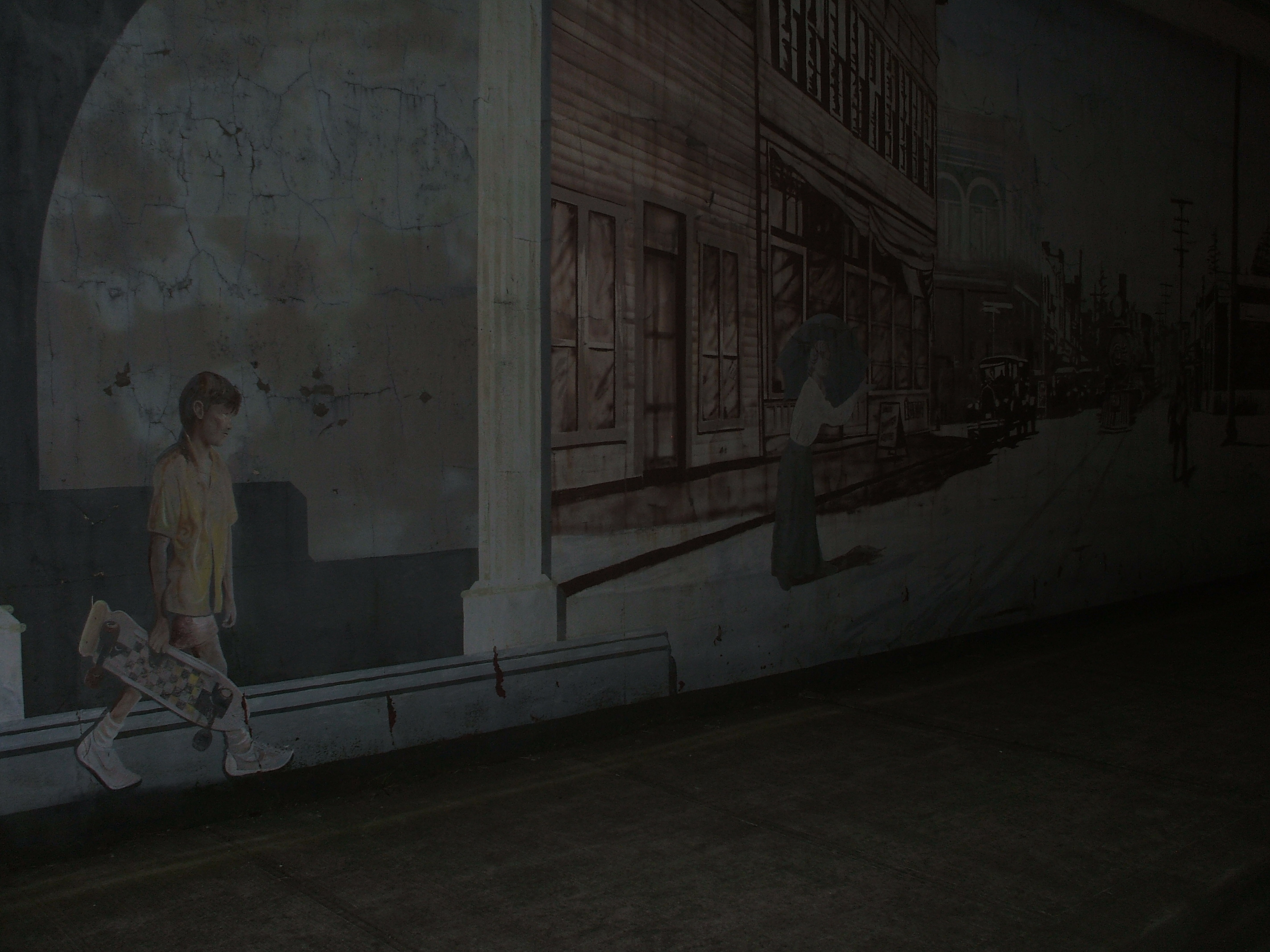
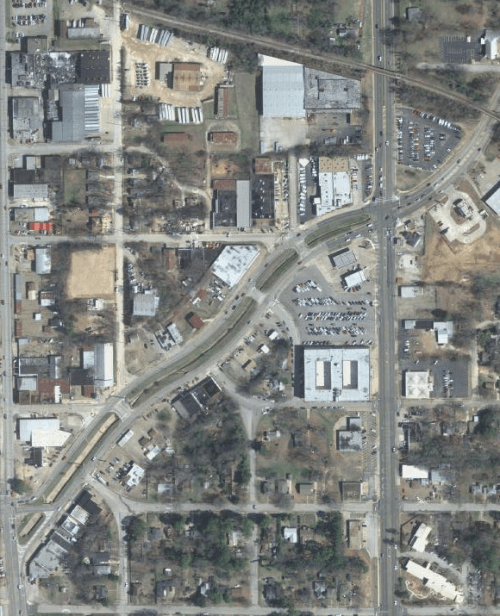
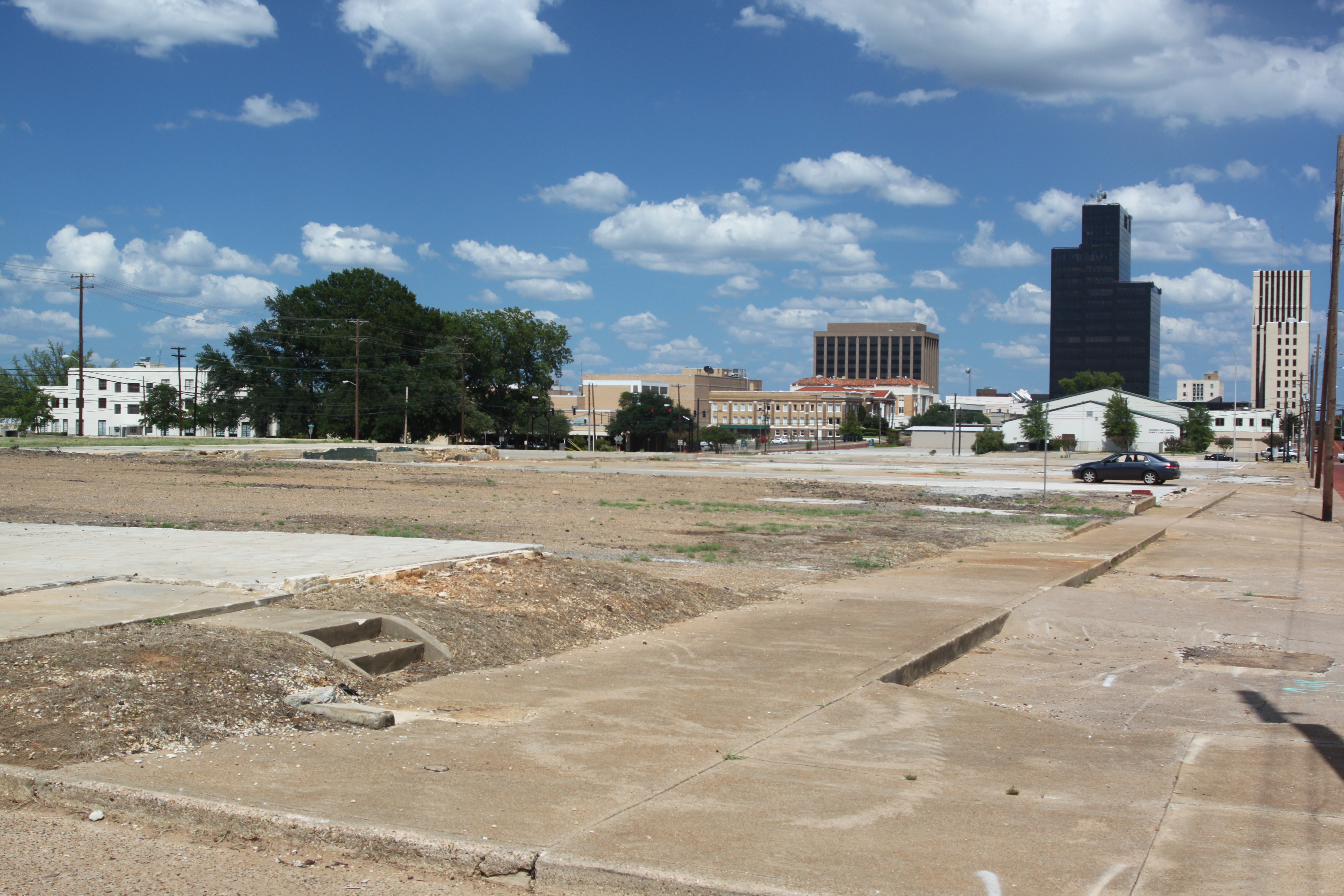 The result of this growth mentality is that we do not have the money to “care about what we already have.” For every new development in Tyler, the public sector is expected to provide roads, sewage, fire departments, police departments, schools, street lights, signs and other various forms of public services and infrastructure. This cost is significant and it is somewhat needless considering there are vast sums of land in the city where services already exist. As the city continues to cater to new developments, we do so rather than reinvesting the money into older, existing spaces elsewhere in the city. These images of Tyler’s downtown (below) are images of a city waiting to be reborn.
 |
| Downtown Tyler, TX |
So here’s the basic dilemma: How does our local government incentivize businessmen to build on parking lots rather than horse ranches? I suppose it starts with a vision.
Empty lots, parking lots and vacant buildings are waiting for a renaissance. Young people, artisans, and creatives are looking for a place to find community. Some churches desire to feel more connected to the city. Our government deserves to reside in a place of prominence. This is my vision for downtown Tyler as a dense node of city life connected to the rest of the city by transportation and urban design. 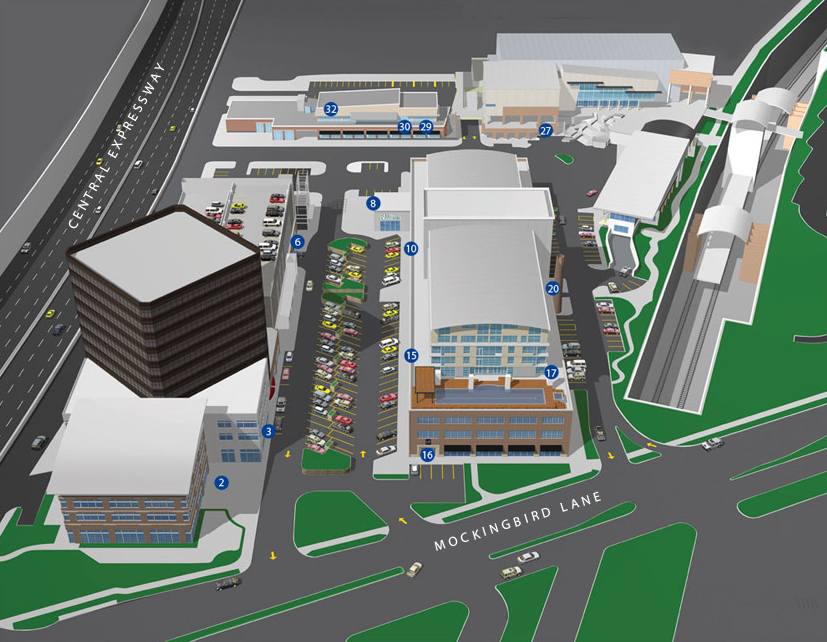 A great example of this sort of development is Mockingbird Station in Dallas. The place is an incredible example of the potential of a repurposed factory building that is now connected to the DART light rail. It’s attractive, interesting and it has created a significant draw for itself even in its relatively short lifetime. This is the vision I would like to cast for every empty lot in downtown Tyler. Could we do it?
First, I suppose we need a zoning code that allows for a variety of living options such as row houses and lofts next door to hole-in-the wall cafes and shops. A place for people to live. One popular concept promoted by Duany Plater-Zyberk (pictured below) is called the Transect.
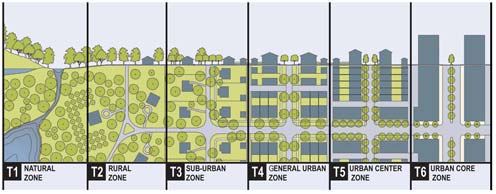
The transect is basically a zoning plan that allows for a wide variety of urban forms and gives the city a gradual progression from the urban core all the way out to nature. In addition to new zoning, I am (of course) confident that we need to “connect the dots” of high-density developments with a street car loop along beautiful avenues, bike lanes and sidewalks. All I want is one loop of public investment and long-term commitment to our existing city. The private-sector investments would be astounding. We have already begun to see developers look to the downtown with businesses such as Don Juan’s, Rick’s, Jake’s, the Downtown Coffee Lounge, Balance, and others. What these all need is to be more connected to the city and they will not simply exist as moments of brilliance. Instead, they will reside in an area inhabited by people that have pride in their business and share this pride throughout the city. These people also sustain the economy while visitors increasingly come enjoy the city life.
So there are economic arguments, community arguments, and even valid entertainment arguments for downtowns. To me, the argument for downtowns and urban spaces is more simple: Let’s turn this city (the whole city) into a source of pride. It’s not too late. I don’t want us to look back and wish we had taken our city a little more seriously. We need to allow for a little urban chaos, promote design oddities and find some way to discourage this endless leapfrog development to the next new loop. We need significant places and I believe we need to collectively begin to care about what we already have.
Check out my other Tyler projects at my Tyler, TX page.
 Highways and Hallowed Halls