Tag Archives: Memory

Art project idea: yucca in red

One Saturday in early January, in the middle of cleaning and entertaining my kids, I got an idea for an art project and sketched the notes below.
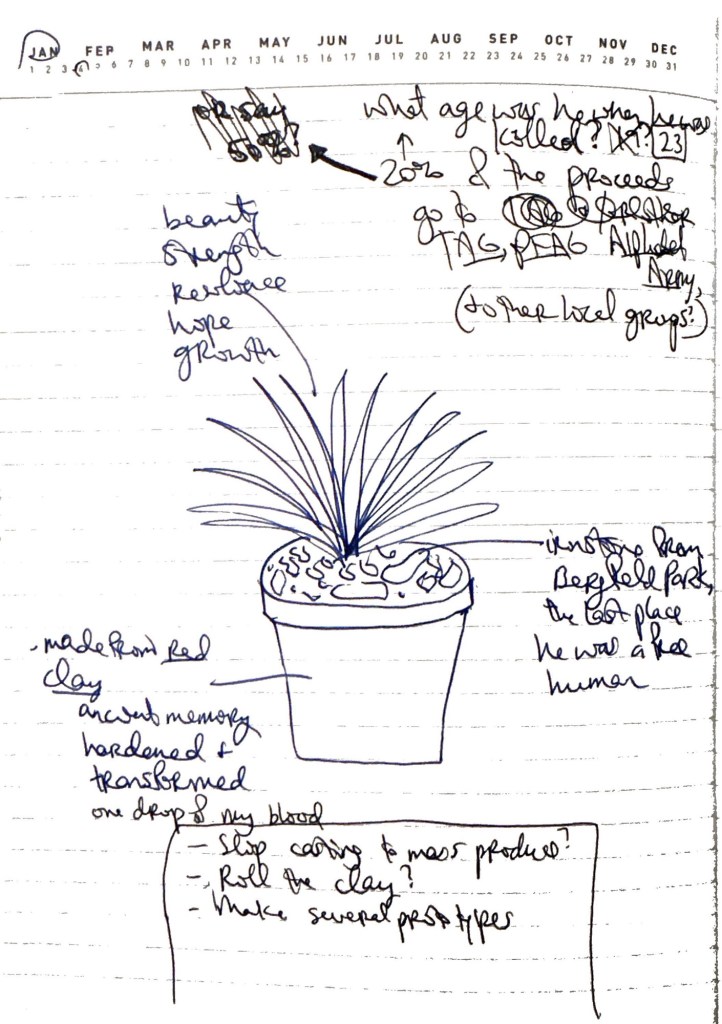
I’ve been really interested in the life and death of Nicholas West for a little over a year now and continue to feel a strong connection to his story.

The basic idea is…

  • A collection of pots thrown from red clay harvested in and around Noonday, TX where Nicholas was tortured and killed
  • The pots are different sizes with different biographical information about Nicholas like his birth and death years, text from obituaries, anything significant from his story
  • Each pot would have a drop or two of my own blood. I want to make people a little uncomfortable when they pick up the pot and read the description. I want to make his death more tangible and remind people that all soil has seen bloodshed of one kind or another. (On a more cosmic level, I also love the connection between the iron in our blood and the iron in the soil which was all stardust flung across the universe from dying supernovae.) I’ve noticed that men are pretty squeamish about the idea of the blood, and women I’ve told are much more supportive which makes me want to do it even more.
  • In the pot will be planted a Yucca filamentosa, native to the southeastern US (from Tyler to Richmond), very hardy, tropical, and structural. The yucca will grow to fit the size of the container that it is in, the yucca is resilient, and in the spring it has a bloom several feet above most other plants.
  • Yucca is also the first plant that I really noticed and developed a connection to. It is the first plant I remember finding and foraging and I’ve planted and potted at least five in the last two houses where we’ve lived. I was in a dark place in my life and my interest in plants, yucca specifically, was an encouragement that has continued to center me and excite me while also driving me a little crazy with more ideas than I’ll ever have time for.
  • While I still love the idea of Yucca, more recently I’ve considered Hesperaloe parviflora, also known as “red yucca” or “false yucca.” I noticed it in Texas at some point and planted it in my garden 3-4 years ago. I had a naturalist walk around with me and he commented that he liked seeing it growing in Richmond because he didn’t know that it could. I love the idea of a Texas transplant thriving in Richmond and the idea of it being a “false” yucca feels appropriate for the Southern culture of repression and how much of myself I held back from others for so long. Of course I love the red bloom, the color of blood and nectar for hummingbirds stopping for a moment on their impossible migration.
  • On the surface of the dirt in the pot I want to scatter bits of ironstone found at Bergfeld Park, the place where Nicholas was picked up, the last place he was free. On my most recent visit to Tyler I pocketed some pieces of the stone and brought them back to a potted yucca I have by our back porch. It has been special to me to have them there as a connection to home
  • I’d love to sell replicas of the different styles of pots and give a portion of the proceeds to local LGBT community organizations in the Tyler area.

It would take months or years to really do this as well as I would want to – I haven’t even fired a clay pot since high school. I’d need time to harvest the clay, prototype different styles, and learn how to make them consistently well, etc. So with all that considered in addition to the constraints of full-time employment/parenting life, I’ve accepted that I’m probably not going to attempt it, as much as I want to. It felt better to share the idea here and let it go rather than hold it too tightly.

4.22.25 – Since writing this post I’ve thought more about the possibility of partnering with an artist to make the pots that I could use to plant and we could market the project together. Even still I don’t think I have the time to do it well, but the partnership would be really rewarding and it’s much more realistic to lean on someone’s existing expertise rather than try and develop it myself. It also got me thinking outside the box even more. Maybe this idea should actually be an assignment for a class where everyone chooses an event that deserves more recognition and designs an installation to share the story. Maybe it should just be an online project that collects memories and details from his story. Or maybe this just needs to be a section of my own garden: a shrine to his life and a broader connection to my own story, my hometown, and the resilience, growth, and occasional moments of flourish.

4.24.25 – While reading about “The Burying Grounds Memorial” at the University of Richmond I learned that Yucca, “is often found in the cemeteries of enslaved people, serving as living grave markers.” I have only just gone a few steps down this rabbit hole, but I’ve already found some interesting articles and anecdotes that support using it for the project. It seems the plant has long served to mark the memory of people who might have otherwise been forgotten, to bind their restless spirits after life, and to provide permanent protection to their physical remains.

  • “Fieldstones. Yucca plants. Seashells. The last object a loved one touched. For centuries, these items, cultivated from lives and landscapes, marked many graves at burial places for Black people in America.” National Grographic
  • “Some of the plots were marked with pieces of quartz or with yucca plants, which were used by many Southern Black families who could not afford stones.” ProPublica
  • “The phrase “pushing up yucca” has been coined to describe these graveyards, and there was a Gullah belief that spiny plants restricted the movement of the spirits of the dead.” Society of Ethnobiology
  • “Spiky clumps of yucca dot Odd Fellows cemetery as further reminders that this patch of woods was once a curated (if not manicured) space. Though widely found in cemeteries across the country, in African-American tradition specifically, yucca binds restless spirits to their graves. Easily transplanted and nearly ever-lasting, yucca was sometimes planted near the head of a grave in lieu of an expensive stone marker.” Black Wide-Awake
  • “Yucca is another plant that marks many early graves even today. It can live hundreds of years and represents eternity. In many African American communities it was also traditionally thought that yucca kept restless spirits in the grave.” City of Birmingham
  • “Due to their association with cemeteries, the yucca plant has also taken on an association with the supernatural, as a way to ward off evil spirits.” Lumpkin County Historical Society

Back to the office

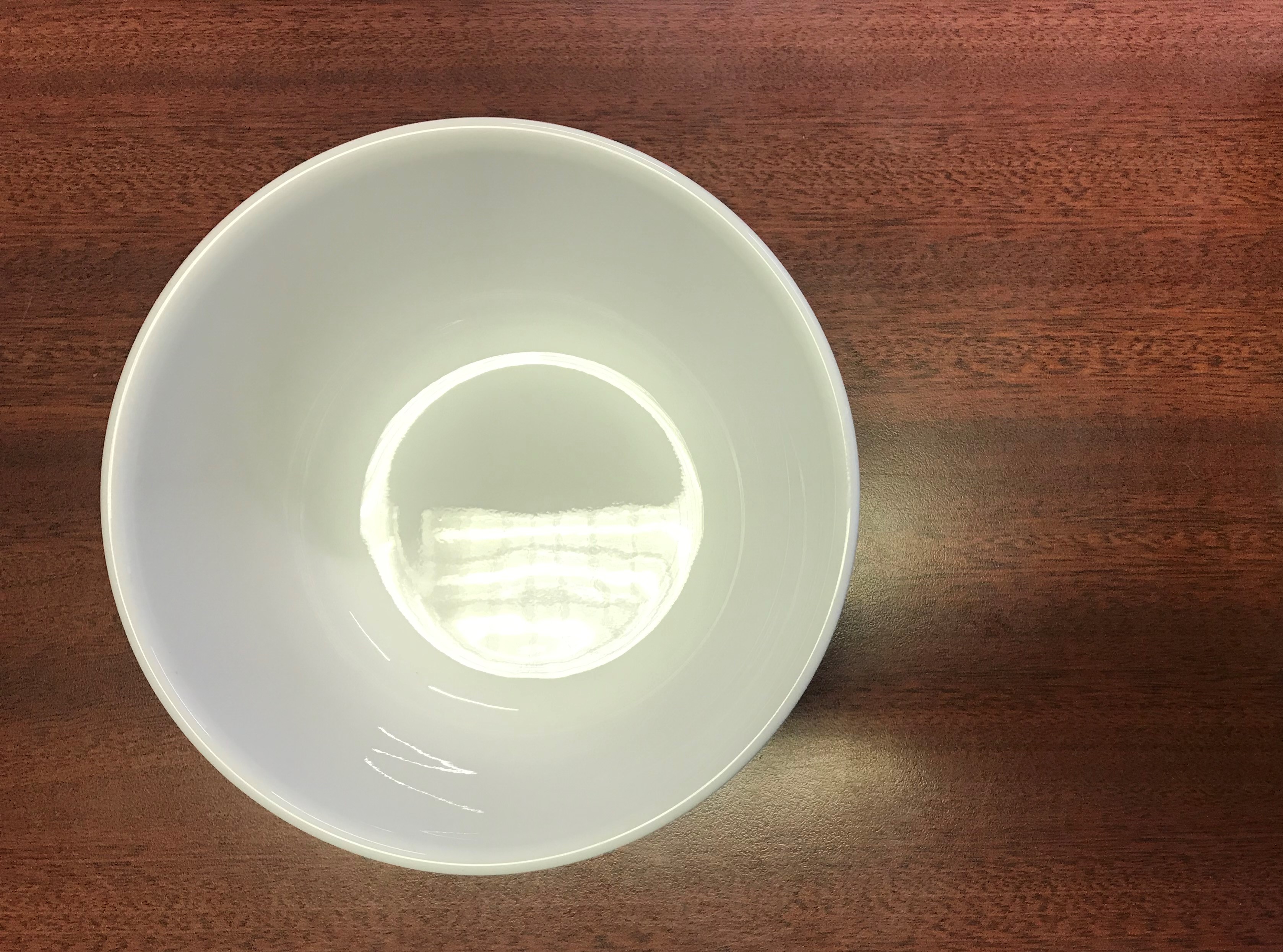
I did something yesterday that I haven’t done in over a year: I washed the ceramic bowl that I keep in my office for lunch. I used the hand soap in the bathroom and I dried it with paper towels from the dispenser while florescent lights buzzed overhead. It felt familiar, bizarre, and kind of depressing at the same time.

I’ve been coming into the office one day a week for over a month, but I am only just now settling into it. The clothes, the routine, the drive, the lunch, the snacks. I have a list of things to buy that, in addition to dish soap, include Band-Aids and a new phone charging cord for the car and my desk. I already have a few other items that I brought with me from my last job including a mug, water glasses, a bottle, Dayquil, fingernail clippers, a razor (for emergencies), and two slightly-embarrassing, inspirational books I bought during a particularly difficult time.

But this bowl has really got me thinking. As soon as I started washing it I had a really vivid flashback to a meal over four years ago. It involved “forbidden rice” I had purchased at Tan A Supermarket in Richmond. It looked beautiful, but it tasted disgusting. Had it been artificially dyed to look black? Did I mess up the seasoning? I remembered it so vividly almost like the object had woken up to tell me it was also still traumatized by that lunch as well.

The significance of this bowl goes one level further. I bought it during what was basically my first real/hard job. Several months in, I realized that I would be spending a significant portion of my life at this place including long days, some late nights, and weekends. I decided to make my life there as comfortable as possible. I would drive to the nearby Walmart on my lunch break or after work and just walk the isles looking for things to make me happy or more effective at work. I decided I was tired of eating lunch with disposable products so I purchased this ceramic bowl, two water glasses, a fork and two spoons. I also bought a Brita filter and the dish drying pad we still use at home today. I was basically just trying to take care of myself and my needs while being true to my values. This ceramic bowl, compared to the stack of paper plates I’d been using, was a good improvement.

At this point in time, I’m gradually remembering what it is like to go in to the office regularly. The work for me is exactly the same, but the location, environment and my appearance all have to change. Even though I can’t stand the buzzing lights and the theater of it all, I am also remembering how nice it is to have a psychological work/home disconnection. I’m settling in to this familiar, but new (and probably also temporary) normal.

Serviceberry buds in COVID spring

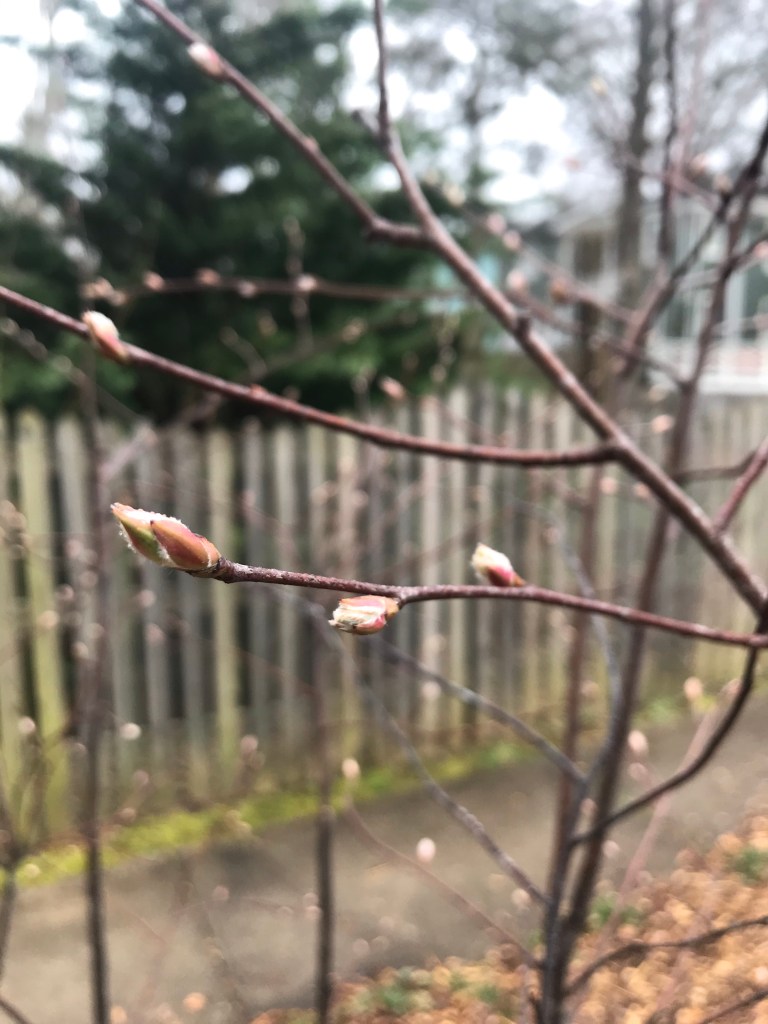
One year ago, there were buds on the serviceberry bushes in Richmond as there are today. I didn’t notice, of course. Even if I had known what they looked like to identify them, we were too busy helping our son heal from surgery and reading the news about a virus infecting the world. The service berry bloom historically signaled the time for bodies of those who had died over the winter to be interred. It’s hard to imagine putting a loved one in the ice for months until the ground was soft enough to bring them back out for a funeral. After one year of lockdown, loneliness, denial, and all the ways we’ve inhabited this pandemic, it feels appropriate to think that we’ve also postponed our grief in the same way.

Seeing these buds feels encouraging, but also too soon. They are going to bloom any day (some already have) and provide an early meal to pollinators as they emerge. Similarly, we are emerging from COVID, searching for what aspects of life will return to fuel us in the coming months. Although we may not be ready to let go of the darkness and confusion that we’ve been inhabiting for the past year, the buds are a reminder to me that we need to start preparing ourselves to grieve and to be ready to see the good.

Sometimes it can be hard to accept that spring has come, that things are beautiful again, if you still feel cold on the inside. It can be hard to accept the next chapter when you haven’t been able to let go of the last. Burying and memorializing the dead has long been part of the process of appreciating life. It will also be important for us to bury and memorialize what we have lost in other ways, the friendships, jobs, marriages, favorite restaurants, traditions. We could also bury aspects of COVID that aren’t serving us well like fear and the compulsive sanitizing.

I am daydreaming about some kind of memorial that involves serviceberry bushes and other spring blooming natives. A memorial that is beautiful every year around the time we started the slow crawl out of COVID-19. A memorial that gets better with time, perpetuates itself, serves nature. We are still in a pandemic, but it’s time to start getting ready to not be in a pandemic some day. I don’t want to be stuck in the last year, I don’t want to pretend like it didn’t happen, but I also don’t want to miss the blooms and the berries.

Baseball at the Heart

The mayor’s proposal for Shockoe Bottom is a bit of a chameleon. When it was first revealed, it seemed like it was clearly a ballpark plan: baseball balloons, Nutzy, Parney Parnell cracking jokes. But as the plan progressed, this central goal became secondary to a host of other justifications for the development.

The phrase, “not just a ballpark plan,” has become popular in this current debate at the same time supporters of the mayor’s plan have proudly placed signs proclaiming, “I support Shockoe Ballpark,” in front yards and businesses. Clearly, we are confused. Like many, I’ve studied the proposal for Shockoe Bottom and attempted to make sense of all the arguments. As always with these sorts of plans, it is necessary to distinguish the certain from the projected.

Beyond all the letters of intent, the promises, and the economic projections, there is a baseball stadium. This stadium project will likely cost around $167M including interest over the next 30 years. We will hopefully finish paying off the debt around 2046. I will be almost 60 years old. These are the certainties of the mayor’s proposal. All other elements of the plan are subsidiary to the ballpark.

Below I have compiled four common arguments (other than baseball) and reasons why they are not substantive or central to the Shockoe plan:

#1. This plan will improve schools in Richmond

Schools argument

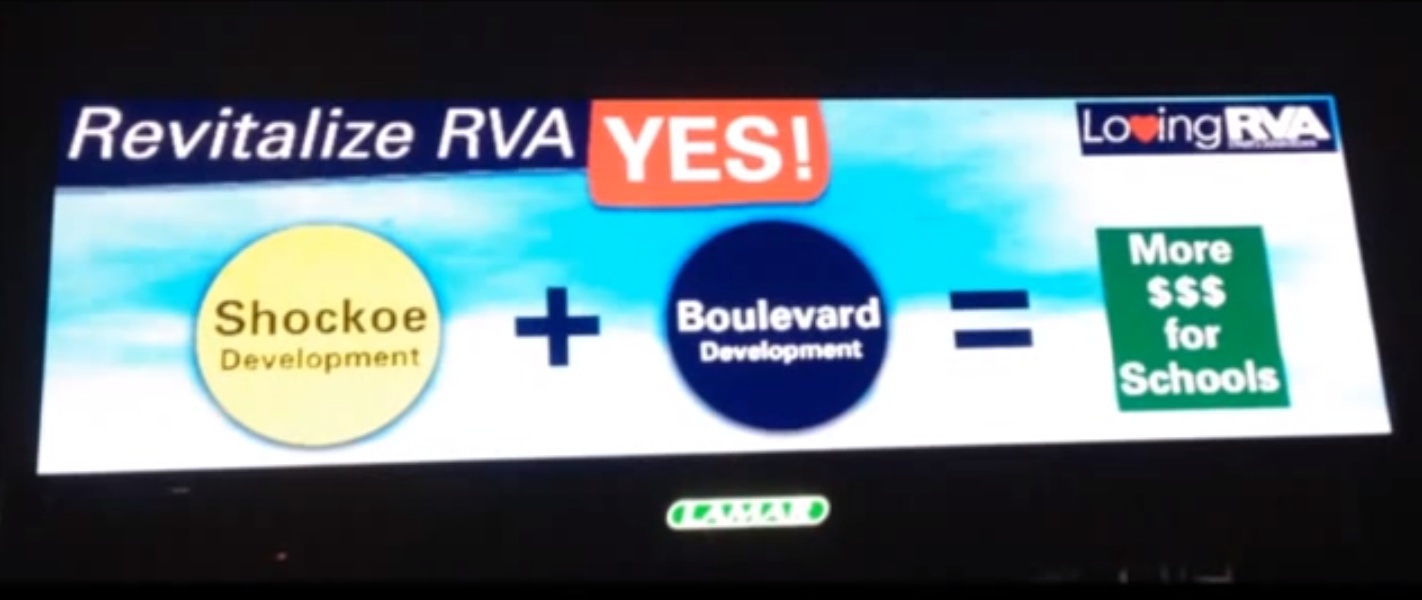
This is a photo of a billboard paid for by the LovingRVA ad campaign. It’s simple, it’s clear, it’s exciting. How could any of us say no to a promise like “More $$$ for schools?” It pulls at our heart strings and connects the plan to something we love.

Then I realized: this is not a schools plan. Not a single dollar of this plan is allocated for school maintenance, construction, or modernization. There isn’t a contract that says that our government is obligated to increase school funding a certain amount each year. We also don’t have any idea how much added tax revenue this plan will generate so there can be no sure promise made for future increases.

And yet, we are being promised that this plan is for our schools and our children.

After digging around, I realized the connection from this plan to schools is pretty weak. The most I could find was a quote from Mayor Jones in the RT-D:

“I think that as we continue to negotiate with City Council people and get them on board, that there’s probably going to be some designated streams that go to some various places that people feel very strongly about….”

Wow. Either Jones was badly misrepresented or the mayor did a terrible job convincing me that that this plan will have any meaningful connection to things I “feel very strongly about.” This schools argument  is like playing “seven degrees of the Mayor’s economic development plan.” Where will all the money end up? We have no idea. But I promise there’s definitely a chance you could get a slice.

And I’m particularly annoyed because I do have a soft spot for schools. The need in RPS is incredible. There are countless reports and articles on the financial need and the deteriorating infrastructure of our school system. Our mayor is promising us more money will be sent to schools, but he isn’t saying how much. All we know is if we build the stadium in Shockoe and if it’s surrounded by lucrative businesses and if we can attract huge amounts of private investment on the Boulevard, then we will have more money that might be allocated to schools.

To me, that seems like a lot of “ifs.” If you care about schools, ask the mayor to sign on the dotted line. Anything less is empty promises.

#2. This plan will provide access to good, affordable food

grocery

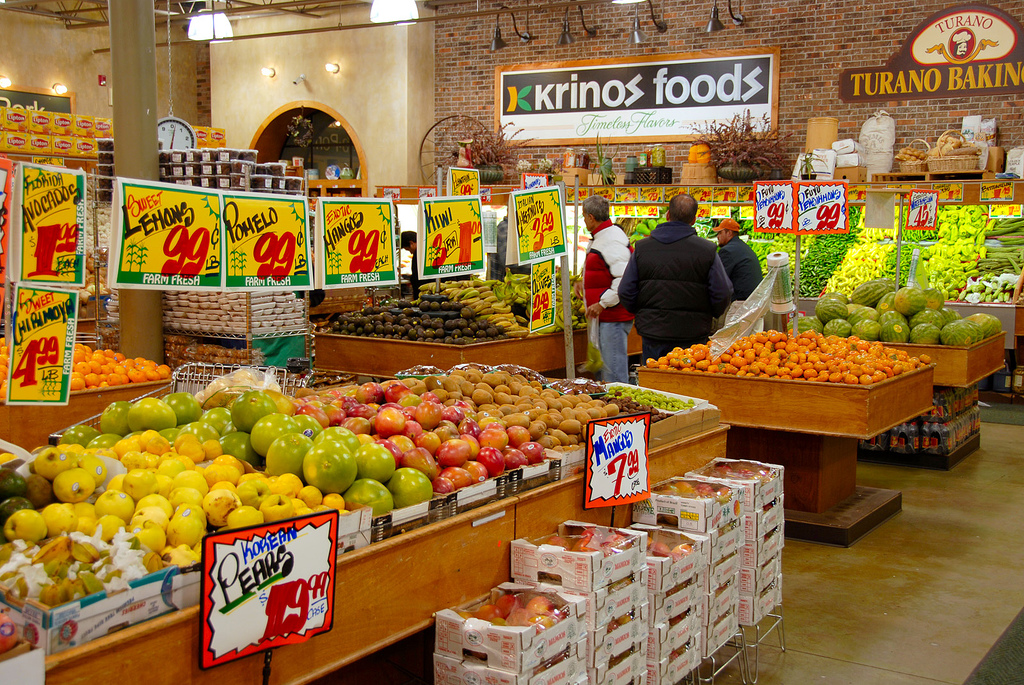
I’ve heard this argument regularly enough that it deserves to be included in this list. I haven’t seen it on a billboard, but this is the argument that seems to tug at the “food justice” movement in Richmond and the desire for residents to have access to healthy, affordable food.

As a resident of the East End, I think it would be great to have a new grocery store. I think it will provide access to good food for a wide economic spectrum of people. Residents nearby will be able to walk to get their food rather than drive around the corner to Farm Fresh. Many riding public transit will be able to get off 10 minutes earlier than they would for the Kroger on Broad St. I wouldn’t have to drive out to the Martin’s at White Oak for fresh vegetables. Sounds great to me.

I just keep returning to the fact that the grocery store is not a central element of this plan. Honestly, this grocery store has more to do with economic development and the mayor’s revenue bonds financing scheme. I think we would have built anything there if it promised to bring in a certain amount of revenue each year. Also, do we have to build a baseball stadium to have a grocery store? More on that later.

#3. This plan will memorialize and interpret Richmond history

museum 2

The third claim is that this plan has been created in order for Richmond to restore the history of slavery to its rightful place. On the cover of the Venture Richmond “Downtown’s Transformation 2014” document (an unfortunate title), there is a presumptuous photo of the proposed slavery heritage site, an element of the Mayor’s proposed revitalization plan. On the second page of the document there is a photo of the ballpark. For some reason, Venture Richmond chose to promote the heritage site.

Here’s the problem: the slavery heritage site is not funded. We honestly don’t know when or if it will ever be built. To further complicate things, Richmond City Council and the state legislature of Virginia have recently committed funds to the construction of a slavery museum. Is the heritage site enough to fit the specifications of these funds? We don’t know. There are designs for a full museum, but they haven’t been adopted by the city or promoted publicly to my knowledge. If all funds go toward the museum, how will we pay to memorialize the Lumpkin’s Jail site?

Many of us are in favor of building something to commemorate the history of slavery in Richmond. The Washington Post even wrote an editorial in support of a slavery museum back in December. It’s certainly the most historically, culturally, and socially important element of the mayor’s plan, but it’s not the main attraction. This “heritage site” has been tacked onto the ballpark plan to satisfy those of us who care about history, culture, and memory.

It’s a beautiful design and I would like to see it in Shockoe Bottom. But I have to wonder: why do we need to spend $52,250,000 for a baseball stadium so that we can memorialize the history of slavery in our city?

I’m also very concerned with the process by which this heritage site/museum has been developed. When municipalities plan and construct museums or heritage sites, they typically spend years developing a network of scholars, institutions, community members, foundations, and government agencies in order to strategize the future success of the enterprise. If done well, this process results in a site that is ready to receive public school tour groups (where will the busses park?), host educational events (who will coordinate?), conduct relevant research, and curate exhibits to keep the material relevant and interesting for visitors. This sort of strategic planning results in a place that is vibrant and well-loved by locals and out-of-town visitors for generations to come.

If the mayor’s plan were truly a plan devoted to the history of Shockoe Bottom, there would already be a consortium of interested individuals from all over the nation and the world developing potential directions for the space and the building. Right now all I see is a pretty picture.

#4. This plan will stimulate the economy in Richmond

city

The argument for economic development is the lynchpin of this entire plan. Many believe that the “baseball stadium + hotel + grocery store + heritage site + apartments + future development on the Boulevard” plan holds the greatest possible economic benefit for years to come.

I have to respectfully disagree. If maximum economic output were the ultimate goal of this plan, Richmond wouldn’t have a baseball stadium at all. Minor league franchises are mostly money losers. They are highly subsidized franchises with all salaries paid for by their parent major league team and stadiums funded by localities. So it’s counterintuitive to include a ballpark in an economic development plan. Unless by “economic development” you mean “we need to find a way to pay for this darn baseball stadium.”

Also, not only are minor league stadiums expensive on the front end, they usually require renovations 20-25 years after they are built. It’s fitting that our local leaders travelled to Durham in January. A few weeks before the Richmond delegation made their trek, The Hearld Sun reported that the Durham Bulls Athletic Park, opened in 1995, the model for our ballpark scheme, is now planning a $20M renovation. Nineteen years after it first opened.

If it weren’t for the ballpark, Shockoe Bottom wouldn’t even be on the mayor’s radar. This flood plain is surrounded by the many hills of Richmond that don’t require a $20M investment in infrastructure for development to start tomorrow. There are cranes up in Richmond right now already investing in the future of this city. The only reason we’re talking about Shockoe Bottom is because we have this baseball team and we need to find a place to put them that can generate enough money to pay of the enormous sum it will cost to construct a brand new stadium. But if economic development were the goal, we would be saving our future tax dollars for general use rather than for servicing the debt on a baseball stadium for the next 30 years.

So why are we calling this an development plan? The argument is this: the ballpark should go in Shockoe Bottom because it’s best in Shockoe Bottom because it will allow us to 0pen the area to private development so that the lease on the ballpark will be paid for. This is a cyclical argument: we have to spend money so that we can make money to pay off the money that we spent. Also, the word for that is not “free.” The only legitimate argument for economic development is on the Boulevard, everyone agrees on that. But why has there been so little planning done for this site? How sure can we be sure of its success?

You may be asking, “What about all the data that proves the stadium is a good idea for Shockoe Bottom?” Here we have to make a critical distinction between data-driven projects and data-justified projects. Throughout the planning process, our leaders have selectively chosen data that supports their goal: constructing a baseball stadium in Shockoe Bottom. We can be certain this was not an externally vetted process. All the evidence we have seen is simply a case that our leaders have developed to debate and defend their plan. That’s not my idea of leadership.

Regarding this plan for Shockoe Bottom, we can only be sure of the expenditures. The revenue is all projected based on letters of intent and market analysis.

Again, expenditures = contracts. Revenue = projections.

The report put together by Davenport & Co. LLC includes a comparison between developing the Boulevard and Shockoe Bottom. According to this report, putting the ballpark in Shockoe Bottom is a responsible option. But in the low estimate for revenue generated in Shockoe bottom, the debt service (at $4,062,976) is greater than total revenue ($3,874,778) which leaves a projected deficit of $188,198 annually. And everyone has been telling me this ballpark is “free.” Am I reading that wrong? If this project were truly concerned with economic development, it would not include the city of Richmond diverting tax revenue toward paying off the debt service for the next 30 years.

Our leader is convinced the ballpark is our ticket to success when it is actually the ball and chain we will drag, year by year, into our own reluctant future.

***

My final question is, why isn’t Mayor Jones talking about the ballpark?

Perhaps it’s because an estimated 70% of the people that go to the Squirrels games live in Henrico and Chesterfield. Does it matter? I think so. Why should we divert $4.8M in tax dollars each year for the next 30 years to pay for an entertainment facility that primarily exists for county residents? Or why didn’t we wait for a more unilateral deal? In 2003, the counties were planning to pay two thirds of an $18,500,000 ballpark renovation. That proposal was sidelined by a local official that decided he wanted to build a new ballpark in Shockoe Bottom. The deal was scrapped, Nothing has happened ever since. Now we’re planning to pay 100% by going out on our own.

Mayor Jones seems to only talk only about economic development. Many other leaders in Richmond are excited about the heritage site. Most of my friends are excited about the benefits for local schools. All the while we’re skating around the most controversial elements of the plan: the cost of the ballpark, the lack of public support for the ballpark, and the location of the ballpark.

I’ll leave the last word to Andrew Zimbalist:

“Cities spend millions of dollars to support a variety of cultural activities that are not expected to have positive economic effects, such as subsidizing a local symphony or maintaining a public park. Sports teams can have a powerful cultural or social impact on a community. If that effect is valued by the local residents, then they may well decide that some public dollars are appropriate. However, if the public or its political representatives are trying to make the case that a team or a facility by itself will be an important development tool, then the electorate should think twice before opening its collective wallet.”

Richmond, if we want a new baseball stadium, let’s talk about it. Let’s talk about how much we might be willing to invest in a new stadium. Let’s talk about where we would want it to be built. Let’s not allow ourselves to be convinced into needing a stadium for a host of unrelated reasons.

Smelling Magnolias

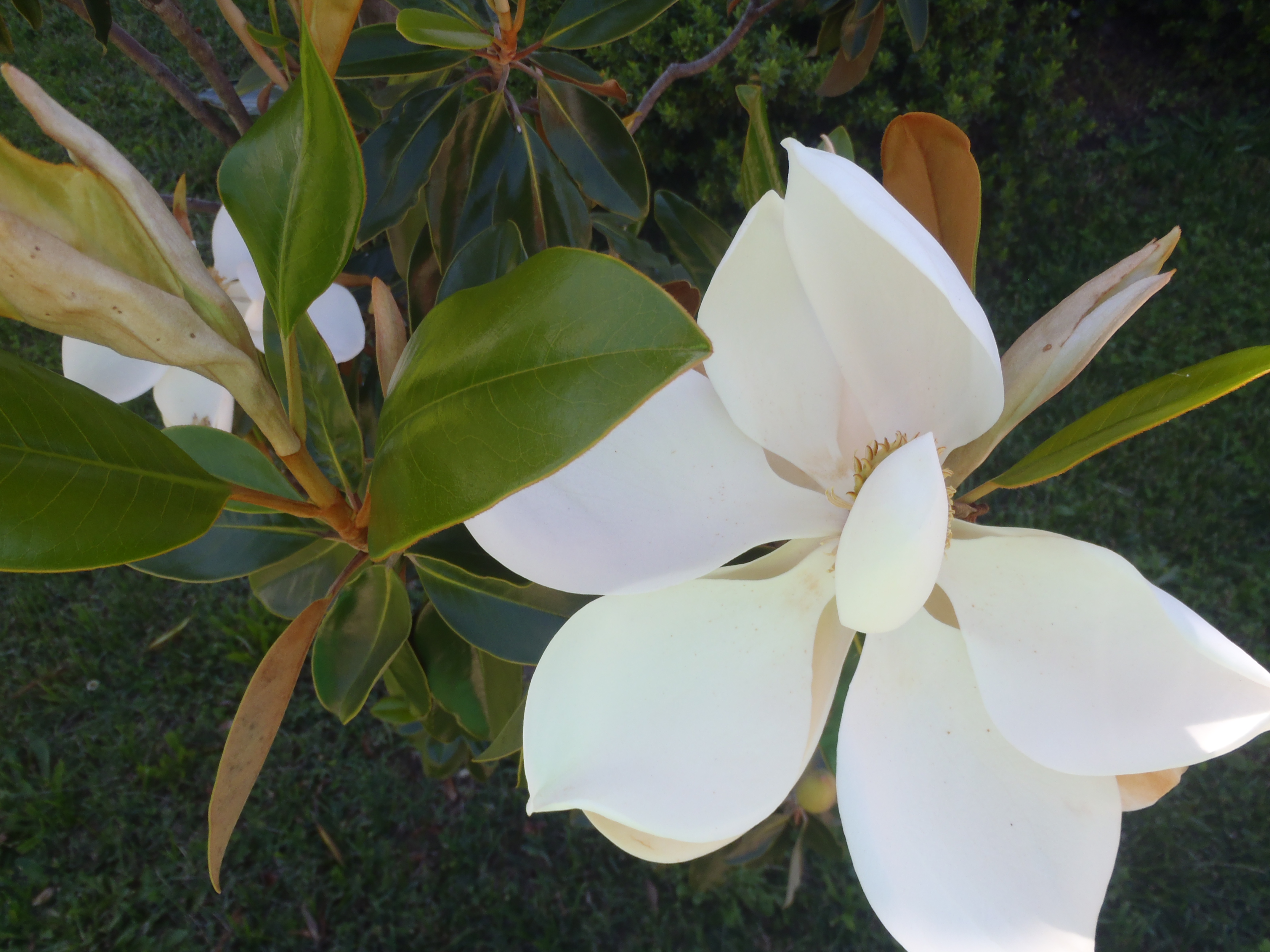
When I worked at a high school in Richmond last spring, I drove the bus in the morning before going in to teach. Each day, I dropped my students off at the front of the building then drove around the corner to park. Several times on my way back to the entrance, I walked past a small magnolia tree covered in blooms:

Walking by that tree, I would stop and lean in for a minute or two to smell an old, familiar smell. It’s completely cliche, but magnolias will always make this southern boy think of home. For that brief moment, I was there: climbing in the magnolia in front of the house where I grew up.

Memory is, of course, powerfully connected to smells and I have noticed this more intensely in the past few years. Maybe I’m more aware of the smells or perhaps I’m becoming more aware of the memories. Either way, smelling magnolia was a comfort on those mornings before walking into school and trying/failing to teach.

In recent months I’ve begun to move toward “nostalgia” as a topic of interest. During this time, I’ve remembered moments of nostalgia in my own life as I’ve also found it referenced in books and articles. Nostalgia is intimately related to the themes of this blog. As we propel ourselves forward we’re also liable to make an occasional backward glance. Also, nostalgia reminds me that “leaving” is not always as complete as we wish. We are all building on the past and it surely composes much our future.

I can’t always predict when I’ll come across a magnolia to remind me of another place or another time, but I hope I’ll stop to smell and remember. As my brain visits old synapses and makes new connections, I will be content to rest in the moment. And then, to take a step back and be thankful for the past and the present.

Magnolias grow in the most unexpected places.

The end of an era

Just about anyone who loves Richmond has heard a story about streetcars: Did you know Richmond invented streetcars? Did you know that Ginter Park was a streetcar suburb? Did you know they piled them up and burned them all in the 50s?

And so the stories go, a hint of nostalgia here and a tinge of sadness there.

If you don’t love cars and highways, odds are good that part of you longs for streetcars. You also might have loved Richmond in the early 1900s when the city was denser (16,000 residents per square mile), connected (more than 80 passenger trains arrived in Richmond daily) and dynamic (real estate values doubled on Grace St. in the 20s.) Yes, this was the time of crowded streets, industrial haze, and grand plans to make our cities beautiful. In many ways, streetcars have come to represent this era as a symbol of the public good and a physical commitment to the life of the city.

From 1888 to 1949, the streetcar reigned as the liberator of urban life. No more stench of horse manure! No more flies! No more walking for miles in the rain! Streetcars filled a need for transportation with incredible efficiency and in a matter of years became an integral part of this growing city. But just as streetcars have come to represent the dense, thriving city, their removal has become a symbol of mid-century American planning and desire for change. As streetcars were ascending to power, the wealthiest of Americans were already turning their attention to the unbounded freedom of the automobile. The military also took note during WWI and afterwards paraded trucks through cities across the entire nation. Compared to cars, streetcars were standing still. You know the rest of the story: highways, suburban sprawl, urban decay/destruction, new neighborhoods, new churches, new malls.

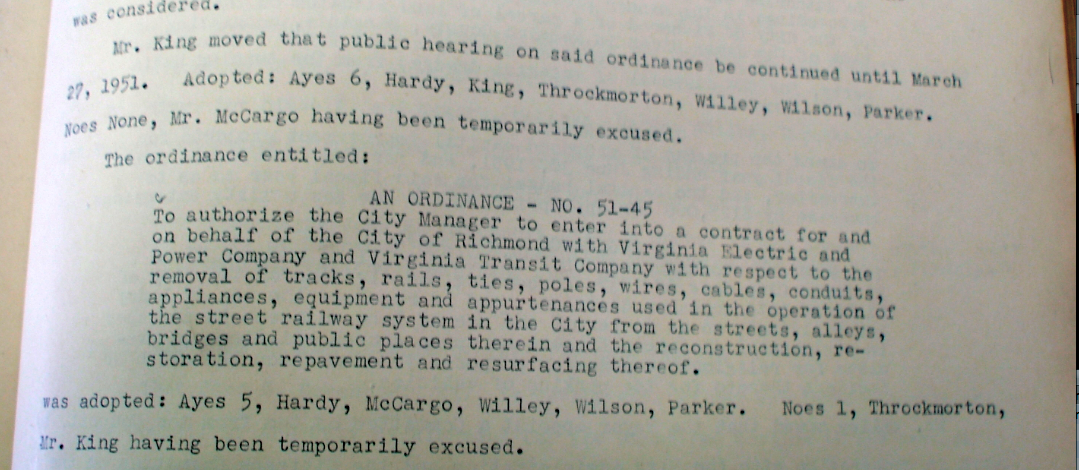
But that’s not really how I want this story to end. Rather than chase cars through the next 60 years of history, I want to remain in the moment that the streetcar era ended and the very memory of streetcars began to fade. The moment when the Richmond City Council passed ordinance No. 51-45 and decided to remove every last piece of streetcar infrastructure from Richmond’s “streets, alleys, bridges and public places therein.” When I found this page in the city council records, I was struck by the wording of the ordinance:

Everything removed

The process just seemed so easy and the change so vast. I pictured a huge eraser passing over the city, wiping away all of that clumsy streetcar infrastructure. The people of Richmond were changing, the city itself was changing, and transportation would never be the same. The streetcar, it seems, couldn’t leave fast enough.

For more artifacts from my research, check out my Archives page.