
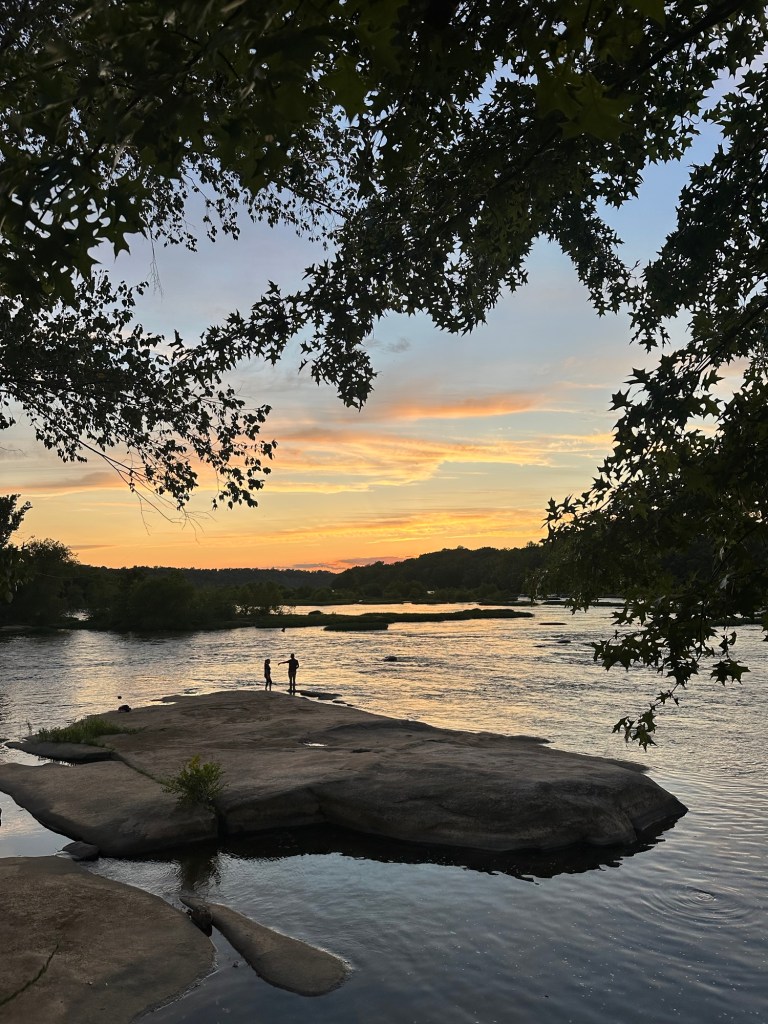
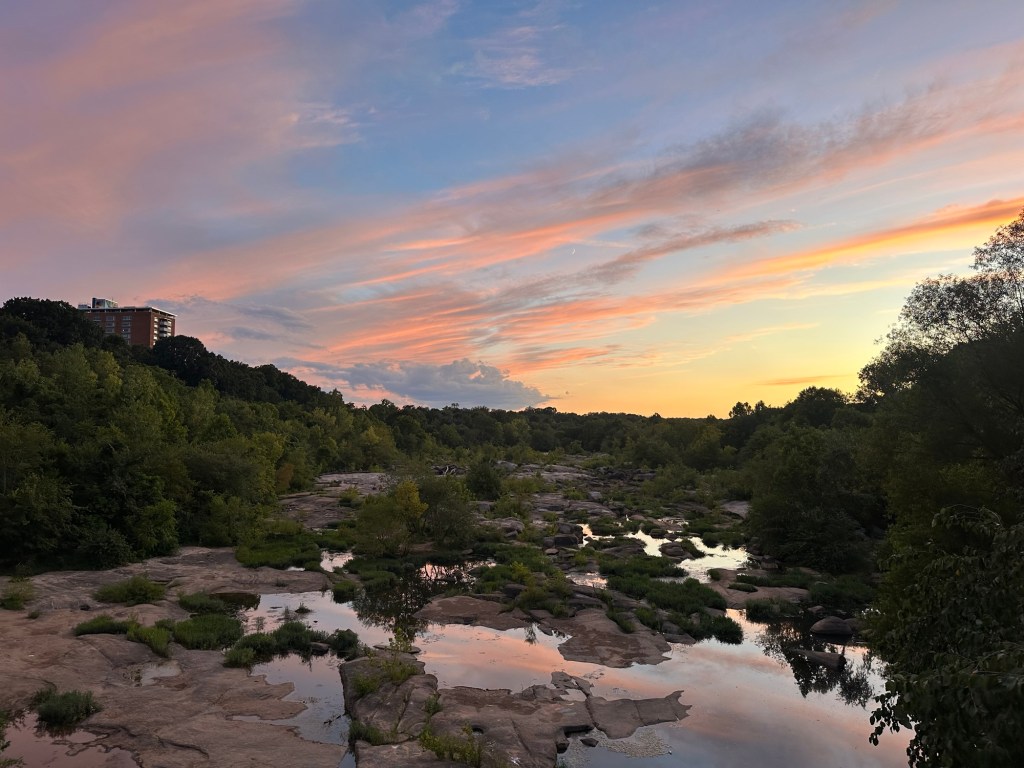
Over the past couple of months I’ve rediscovered the loop walk around Belle Isle. I’ve been spending time in more secluded areas of the river lately and had forgotten how beautiful it is with sweeping views, changing topography, and people everywhere enjoying the water and trails.
One morning in September, I also noticed something else: I hadn’t seen a single bumblebee on the entire walk. I started to look more closely and in two months I’ve only seen bumblebees two times, a total of four, all on bluestem goldenrod. Otherwise, the forests and fields of the island seem sort of oddly quiet.
Not only have I not seen many bumblebees, but I also haven’t other bees, wasps, butterflies, bugs, or birds like goldfinches, hummingbirds, and cardinals.
I think the reason I’m noticing this absence now is that I’ve been gardening for a decade or so and I love to see plants as a part of the whole ecosystem. Over the past six years especially my current garden has come alive in a way that gives me a lot of joy. I see more bumblebees on a single anise hyssop at the same time than I have on Belle Isle recently. For the past week, panicled aster (Symphyotrichum lanceolatum) has been in full bloom around my house and there are more bees and bumblebees than I could ever count. I see goldfinches eating coneflower seeds, hummingbirds on the cardinal flower, and monarchs on the milkweed.
And my garden is definitely not the only one. Richmond is full of gardeners who are planting native or “nearly native” plants and attracting all kinds of birds and the bees. Which got me thinking: What if we could somehow organize everyone to invest their energy into the JRPS?
I’ve been toying with this idea for a little while now and I see it working something like this:
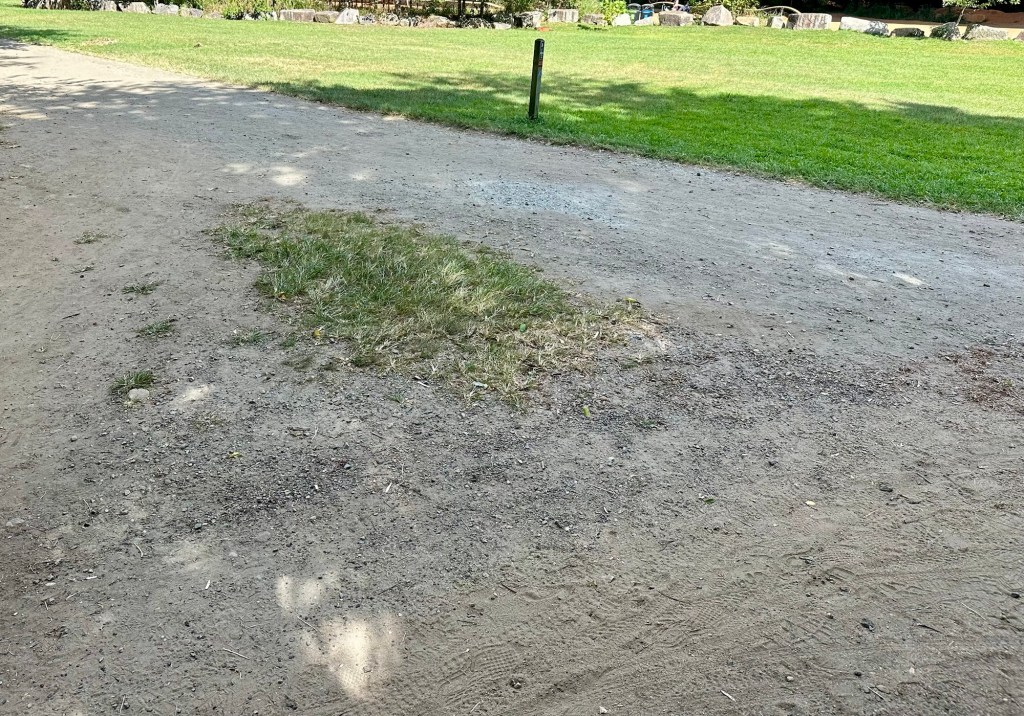
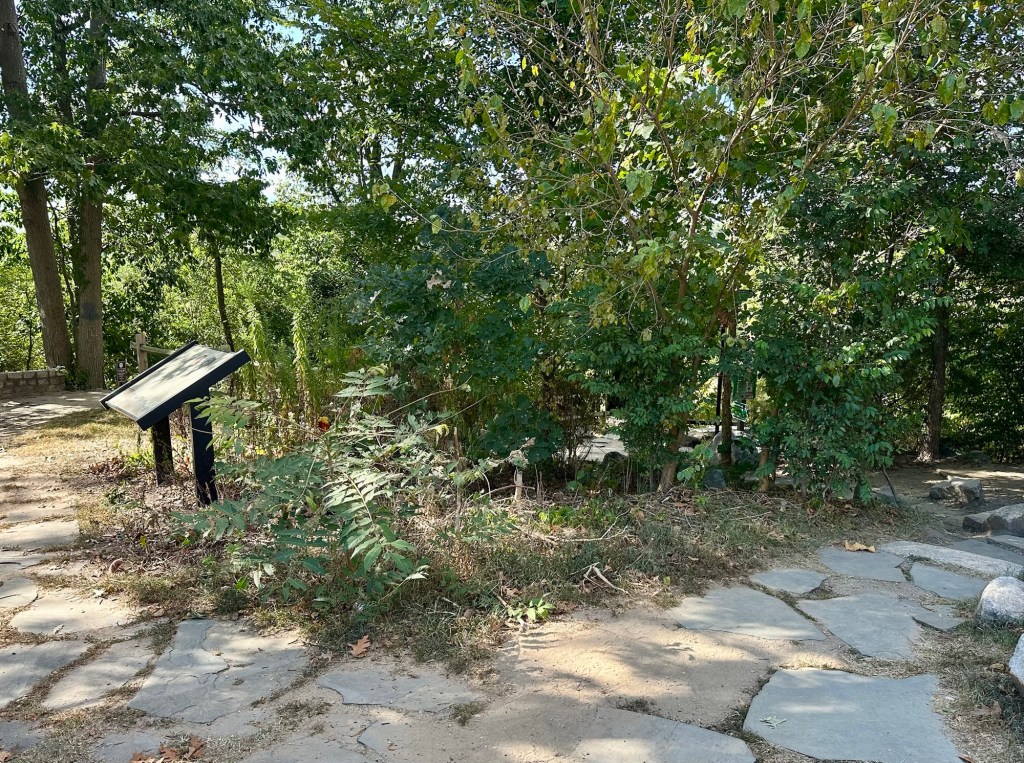
- Starting with Belle Isle, a list of 30 or so first-round parcels are identified. These should be small, edges, islands, and otherwise manageable, well-defined parcels. These kinds of spaces would be really easy to manage and would have a lot of nice visibility:
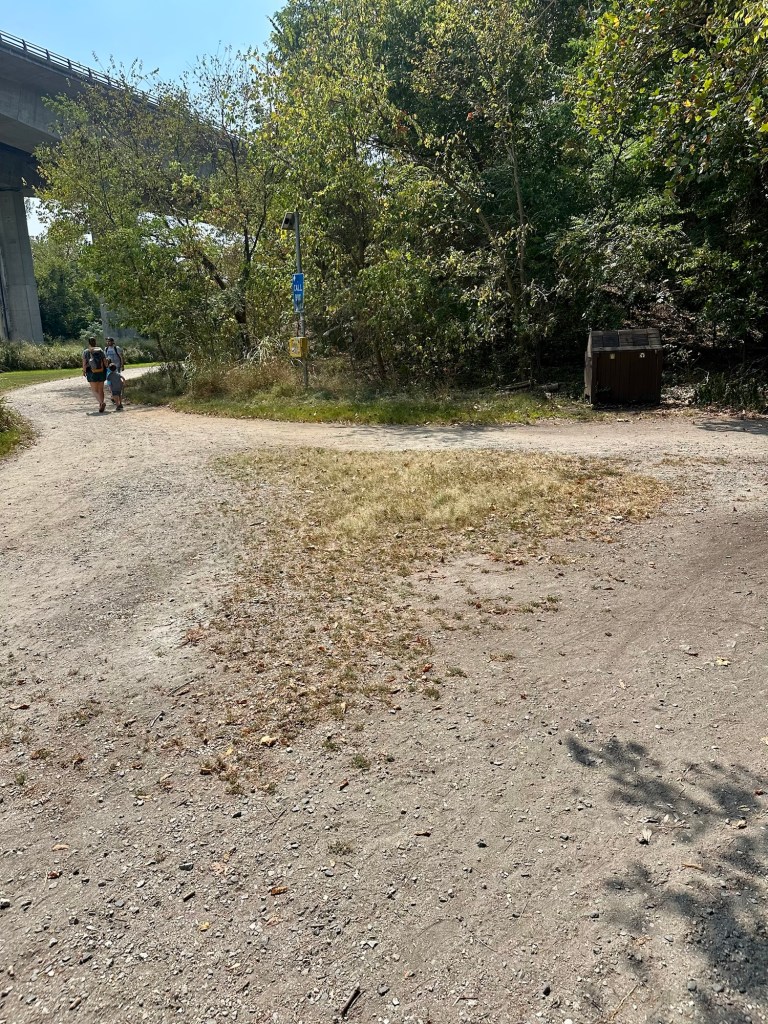
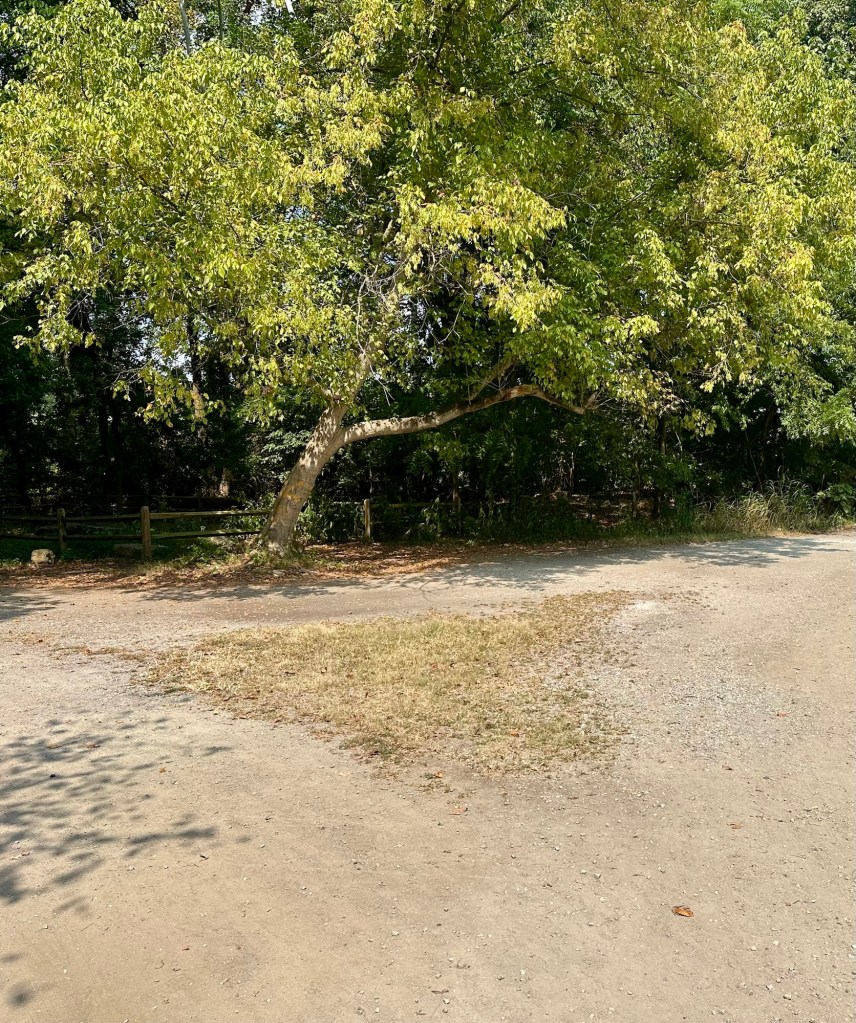
- These plots are designated as full sun, part sun, part shade, and full shade with a list of plants that are approved to be planted in the area. They could also be designated for tall, medium, and short-growing plants depending on the location.
- A call is put out into the community for interested gardeners to join the program
- Selected participants are placed in an orientation and trained on the process of invasive species removal, which plants that are pre-approved for planting, and the general overview of the program
- Approved gardeners then “claim” plots on the map and the first thing they would do is string a simple string and stick barrier around their plot with a sign that explains the program and the project – they would take a photo of this and post it to a google doc or app as a record of their project for someone to verify compliance and serve as a “before” photo for the plot
- The gardeners would work at their own pace to fully remove the invasives and replace them with the native plants appropriate for the amount of sunlight and location of that plot. A photo would be uploaded for every day of work on the plot and for all subsequent maintenance visits.
- Gardeners would be expected to maintain their plot for as long as they are in the program including weeding invasives and tending to the plot for other needs.
- If they have capacity (looking at you, retired gardeners!), they could select multiple plots depending on availability
- Gardeners would also be asked to provide seeds and seedlings to a community crowdsourced greenhouse. Gardeners who don’t have time to garden their own plot could opt to only participate in this donation program for their seeds and volunteer seedlings to be used by other gardeners around the project site
- Once the initial phase is complete, a detailed GIS map of the landscape is drawn to divide the entire island into small, garden-sized parcels, maybe 400 sqft each
- The plots would then be organized in order of priority
- Areas around all entrances/exits to the island
- Areas along high-traffic pathways
- Areas along low-traffic pathways
- Areas in the interior of the woods and fields of the island
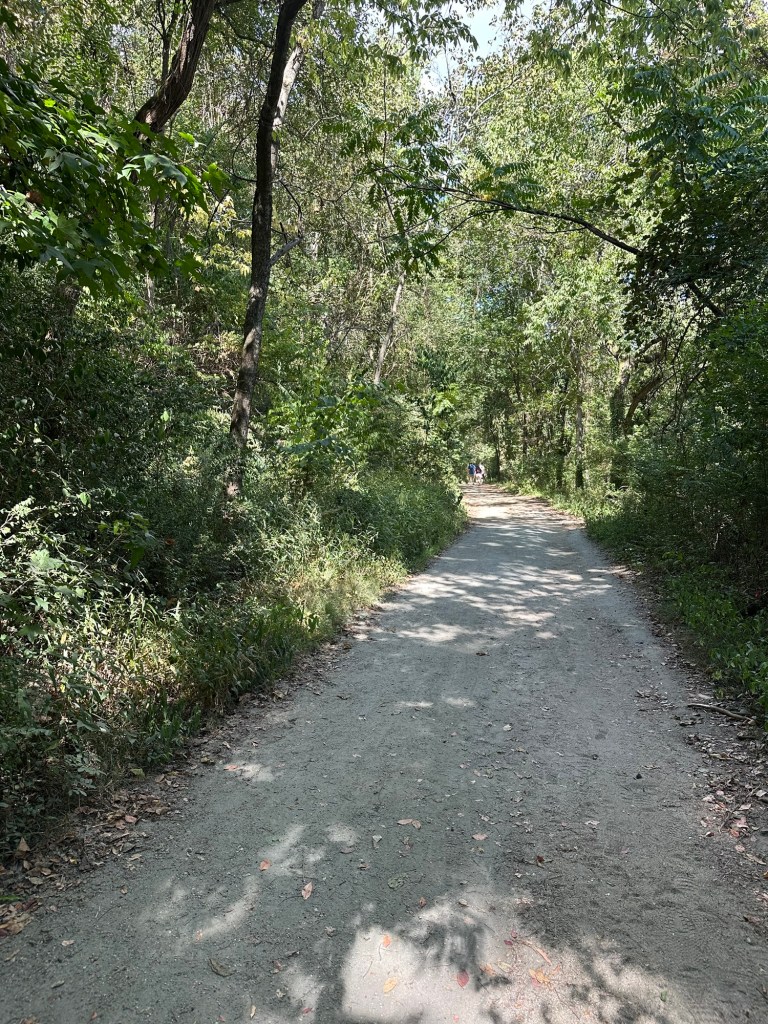
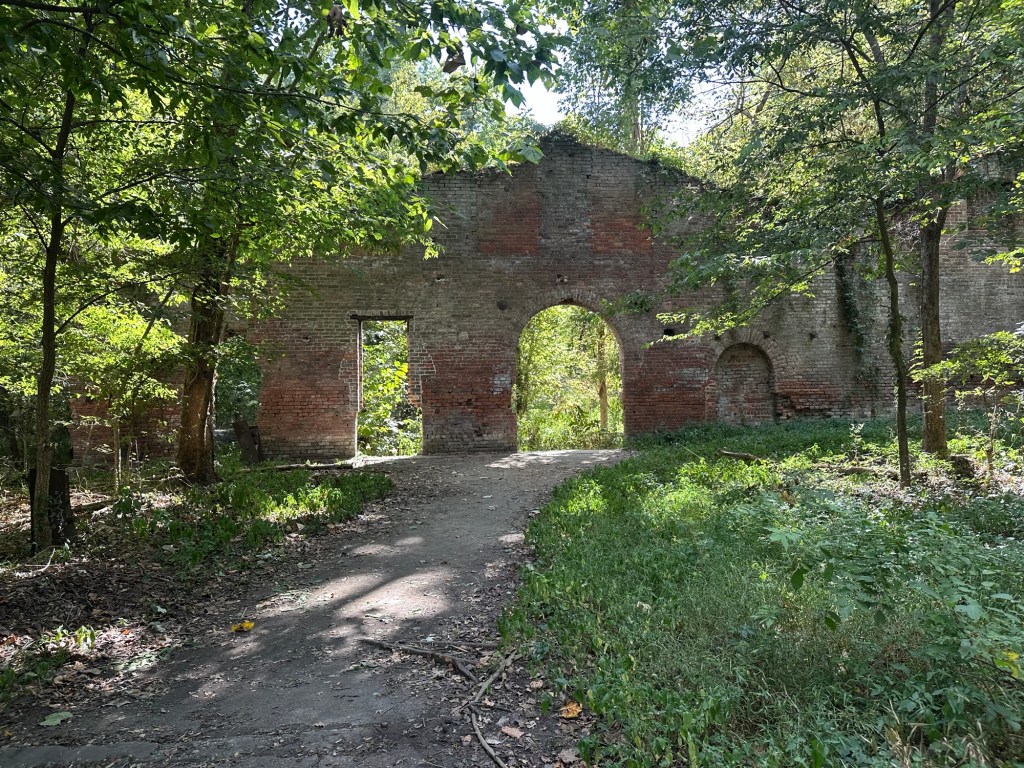
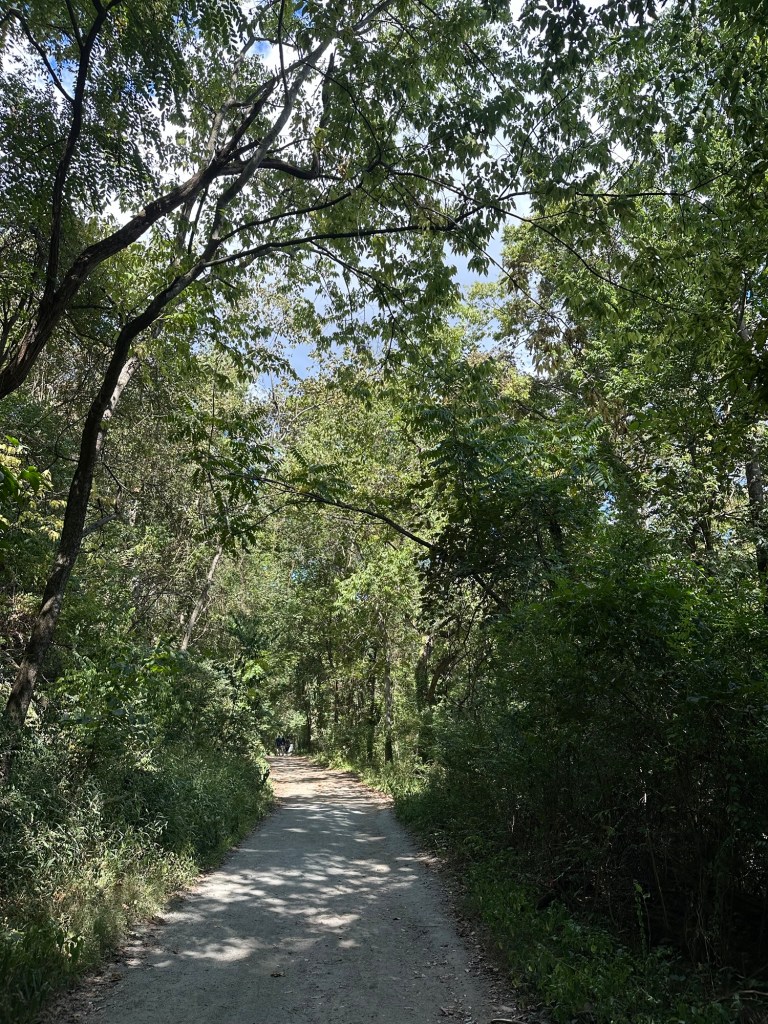
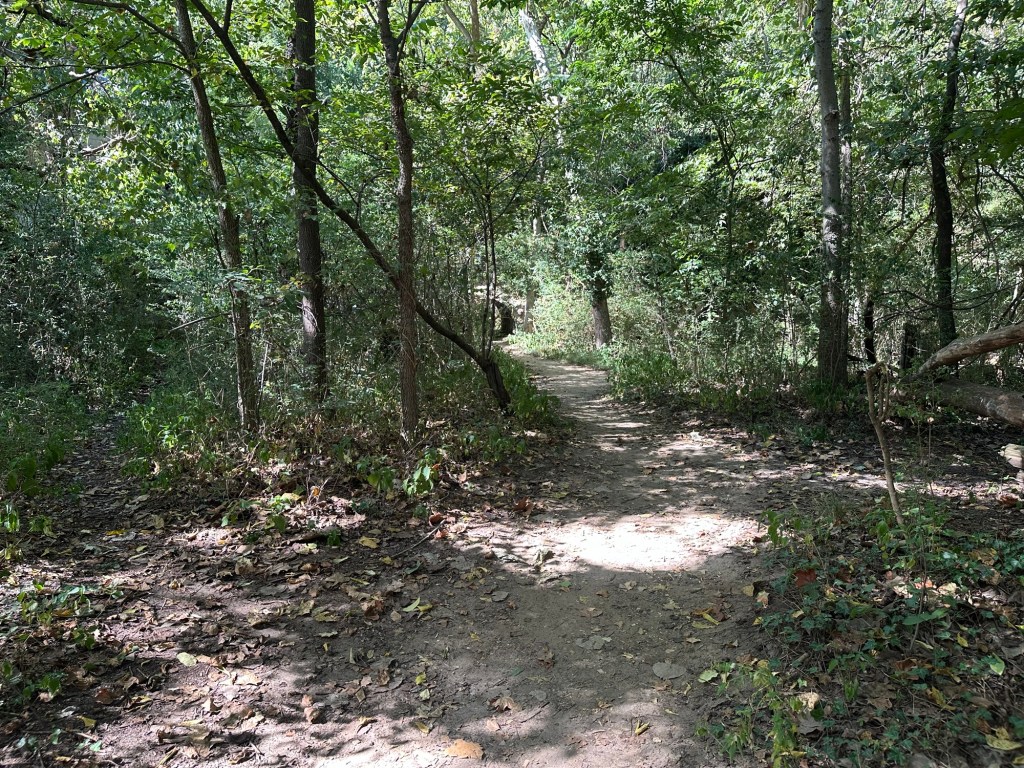
- These plots would be assigned to more trained volunteers as the program continued to grow. If possible, a landscape team could be hired to plan the overall layout of the island and select a smaller number of plants for each location to provide a little more guidance on the final product
I know this is a little far-fetched and that there are already organizations doing a lot of this work. But this does feel on some level possible. The local knowledge, technology, and tools are all available.
I also think the sooner we start the better. Plants are basically seed factories. Once we start to establish a wider diversity of plants they will start to continue the work for us in spreading throughout the area.
In a very non-scientific search, there are 129 plants listed as native to Virginia on the Prairie Moon Nursery website which seems like a good place to start. With some professional consultation, we could finalize a list of plants, divide them up by their planting guides, and start some test gardens around the island. With so many deer living in the JRPS, it will be important to prioritize aromatic, deer-resistant plants like Purple giant hyssop (Agastache scrophulariifolia) and Yellow giant hyssop (Agastache nepetoides). These will have a better chance of becoming established over time. I have gardened with Anise hyssop (Agastache foeniculum) for years and love the way that it spreads, attracts bumblebees, and blooms successively throughout the summer, but it doesn’t appear to be native to this region. Another deer-resistant perennial that I would like to see is Rattlesnake master (Eryngium yuccifolium). It is very hardy, spreads generously, and attracts wasps, bees, beetles, and other small flying insects.
The middle of the island contains an open prairie that could be restored in the same way as the forests and trails. It seems to have full and partial sun exposure which would create an opportunity for many sun-loving perennials and grasses. More deep-rooted grasses would also provide an amazing opportunity for carbon sequestration. It seems like switchgrass and big bluestem are valuable in this way, but I’m sure there is an argument for most native grasses.
If there is a concern with the JRPS looking too manicured, I would support limiting the list of plants and also planning large colonies of a single flowering plant along with native ferns and grasses rather than a high diversity of plants in a single plot. It could look more natural for the species to be grouped like they have spread over time.
I think this project would work well on a stand-alone website with a front end that promoted the program and receives donations and a member login portal where members can manage their plots, post photos, and record donations.
The program could be funded in part through sales of excess seeds and plants grown in the shared greenhouse. It might even be possible to apply for carbon credits if the restoration were successful and extensive to warrant that. Of course, there are also grants and billionaires.
Once the program is functional, it could be expanded to include the entire JRPS. I can imagine there are many gardeners who would prefer to work in their neighborhood parks for convenience and sense of personal ownership. Every year there could be an outdoor awards ceremony on the island, etc. To scale this, we could sell licenses to other municipalities who could buy into the program and use the training materials, website design, etc. to manage their own crowdsourced rewilding programs. Training materials would be adapted to the native plants of that area, but otherwise could be fairly interchangeable.
I’ve really enjoyed imagining a Belle Isle that is buzzing with life, an oasis in the middle of a manicured/ruined landscape, and a pocket of life to inspire more and more people to garden with nature in mind. I don’t know exactly how, but I do believe it should happen. There is no way any of us would regret it.
 Highways and Hallowed Halls